

Pinch your thumb and index finger about a quarter inch apart. That gap gives you a rough feel for 6mm. It is close enough for a guess but nowhere near close enough for a drill press.
So how big is 6mm in real life? This guide answers that with 15 objects you can hold, measure, or buy. You will also get a conversion table, a few no-ruler tricks, and a clear answer to the classic question of whether 6mm equals 1/4 inch. Every figure here comes from a standard or a common manufacturer spec.
How Big Is 6mm at a Glance?
Here is a quick look at the 6mm measurement and its everyday equivalents.
| Measurement | 6mm Equivalent |
|---|---|
| Centimeters | 0.6 cm |
| Decimal inches | 0.2362 in |
| Closest inch fraction | 15/64 in (0.2344 in) |
| Quarter inch comparison | 6.35mm |
| Four stacked pennies | 6.08mm |
| Three stacked nickels | 5.85mm |
| Common hardware match | M6 bolt |
In short: 6mm is a small but noticeable measurement. It is close to the thickness of four stacked US pennies and commonly appears in jewellery, gadgets, and machine parts.
This size is big enough to grip and see yet small enough for precision applications, from pearl studs to 3D printers.
6mm Conversion Table: Metric and Other Units
Metric measurement runs on powers of ten. A millimeter is one thousandth of a meter, and the International System of Units defines the meter as the base. That makes conversions simple once you know the pattern.
| Unit | Value for 6mm |
|---|---|
| Meters | 0.006 m |
| Micrometers | 6,000 µm |
| Feet | 0.0197 ft |
| Millimeters | 6,000,000 nm |
Want to do it by hand? Divide millimeters by 25.4 to get inches. Multiply inches by 25.4 to convert back to millimeters.
For reference, one-quarter inch equals 6.35mm, while one-eighth inch equals 3.175mm. Keep these two values handy because they often cause confusion in DIY projects.
15 Everyday Objects That Show the 6mm Size
Below you will find each object grouped by where you would meet it. The quick table comes first. Details follow in the sections after it.
6mm Jewelry and Craft Examples
These jewelry and craft items show how 6mm appears in accessories and creative projects.
6mm Pearls
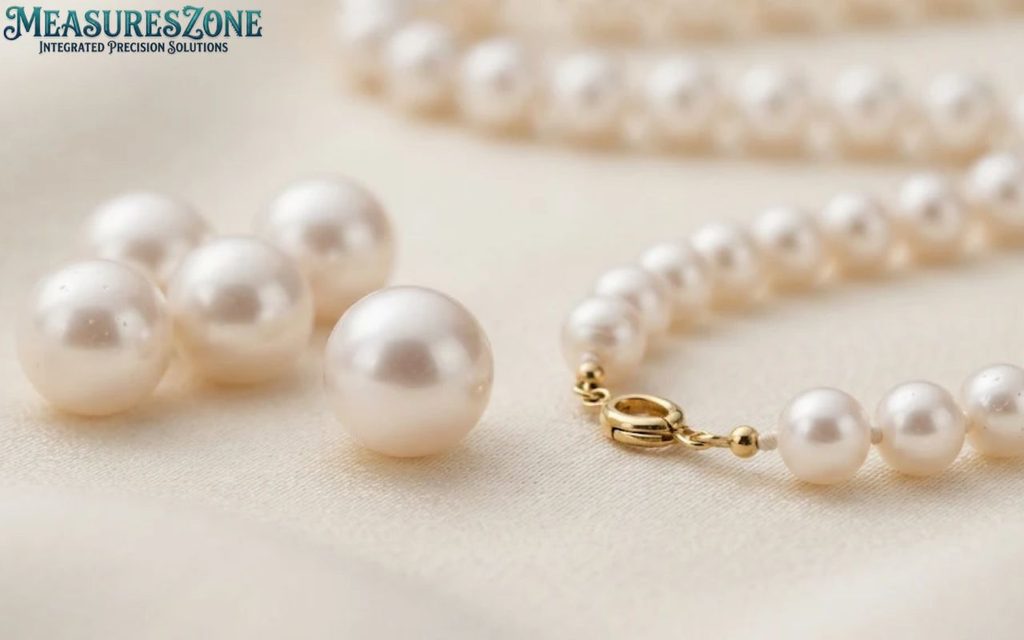
Pearl size runs on diameter. A 6mm pearl is a classic pick for stud earrings and graduated necklaces. Cultured freshwater and Akoya strands often start near 6mm and climb past 7mm for fuller looks.
You will notice the bead diameter matters most when you string pearls. A 6mm pearl on a bracelet looks delicate. Go up two millimeters and the same bracelet feels bold.
6mm Bead for Bracelets and Craft Projects
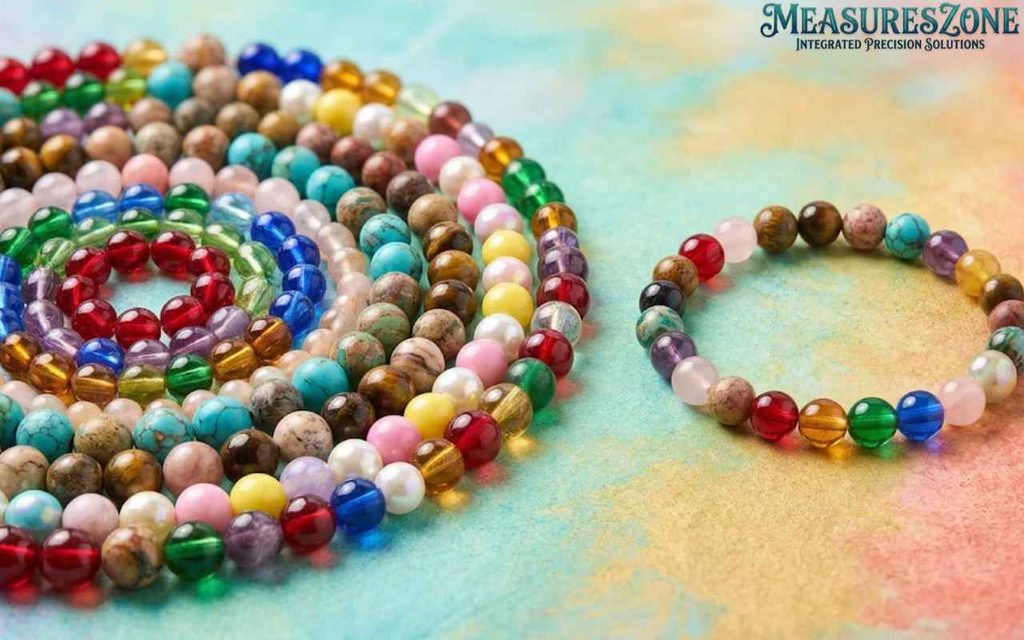
A round 6mm bead is one of the most common sizes in jewelry bins. Glass beads, gemstone beads, and acrylic beads all show up in this size. It is popular for stretch bracelets because it packs plenty of beads into a small wrist span.
Math helps here. A six millimeters bead strung edge to edge covers 6mm of cord. So about 33 beads fill a 200mm bracelet (roughly 7.9 inches) before you count the knot. That quick sum saves you a trip back to the craft store.
Here is a handy bit of context for gem lovers. A round brilliant diamond measuring six millimeters across weighs close to 0.8 carat. Carat weight shifts a little with cut depth. Still, the diameter gives you a reliable visual size.
6mm Crochet Hook
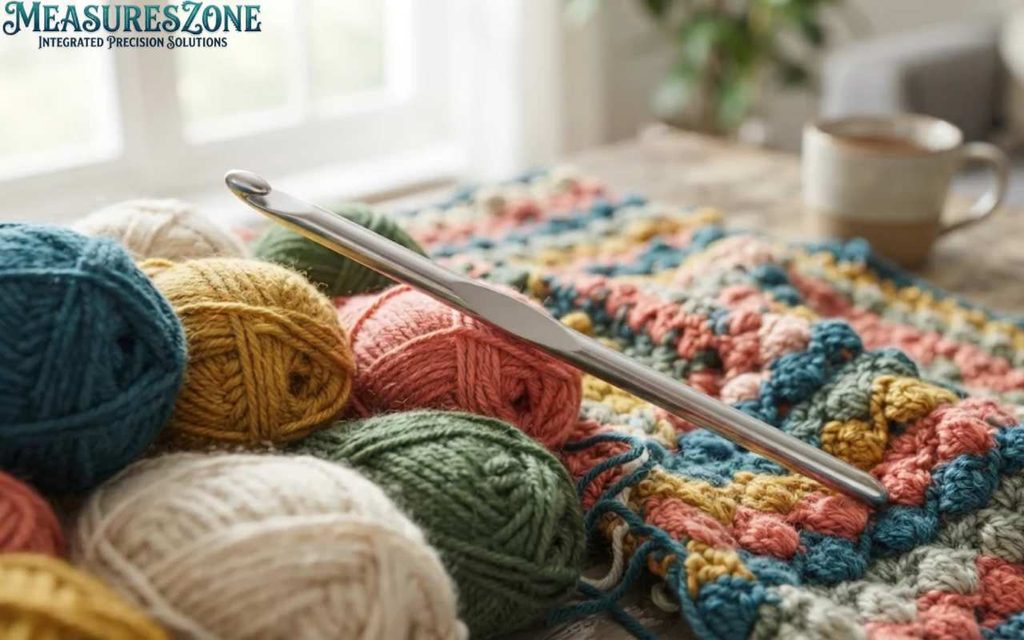
Crochet hooks use millimeter sizing across the world. In the US, the six millimeters crochet hook is size J-10. It sits between worsted weight and bulky yarn, so it is a favorite for blankets, hats, and scarves.
Pick this crochet needle when you want fast progress and a soft drape. Smaller hooks make dense fabric. A larger hook gives open, airy stitches. Always check the hook size stamped on the handle because some brands print only the letter.
6mm Hardware Examples
From bolts and nuts to drill bits, several common hardware components use six millimeters measurements.
M6 Bolt and Socket Cap Screw
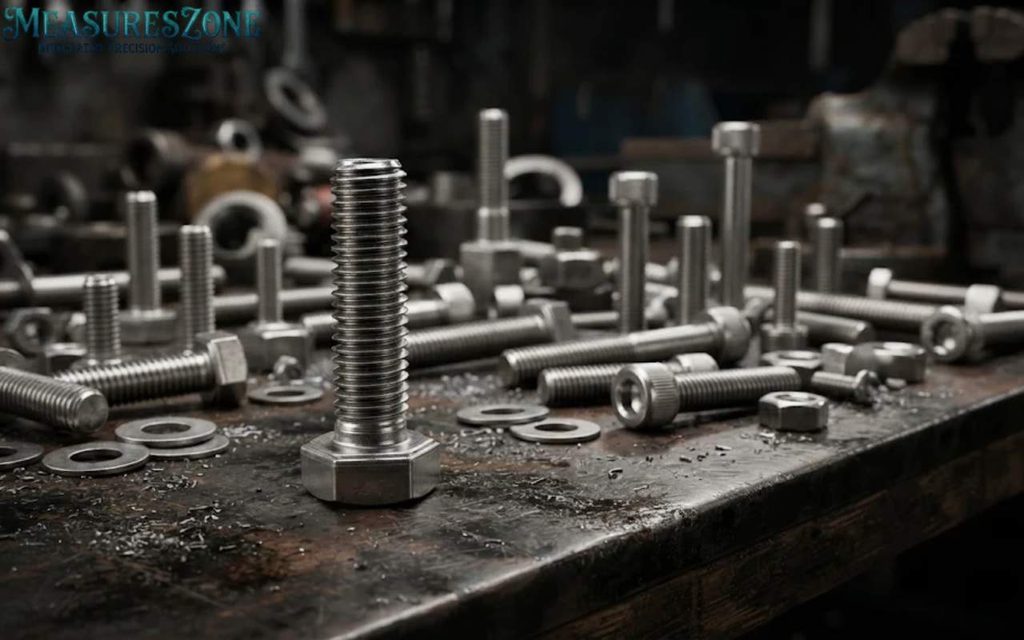
The M6 bolt is a metric workhorse. The M stands for metric and the 6 means a 6mm nominal thread diameter. The standard coarse pitch is 1.0mm and the fine option is 0.75mm. Wikipedia’s page on ISO metric screw threads lists the full tables.
Head size depends on the style. A standard hex head takes a 10mm wrench. An M6 socket cap screw takes a 5mm hex key. You will find this metric fastener on furniture, bikes, car parts, and 3D printers.
| M6 quick spec | Value |
|---|---|
| Nominal thread diameter | 6mm |
| Coarse pitch | 1.0mm |
| Fine pitch | 0.75mm |
| Hex head wrench | 10mm |
| Socket cap screw key | 5mm |
| Tap drill (coarse thread) | 5.0mm |
| Clearance hole | 6.4mm to 6.6mm |
Explore the Dead Sea’s dimensions, extreme salinity, and fascinating features.
M6 Nut and Hex Nut
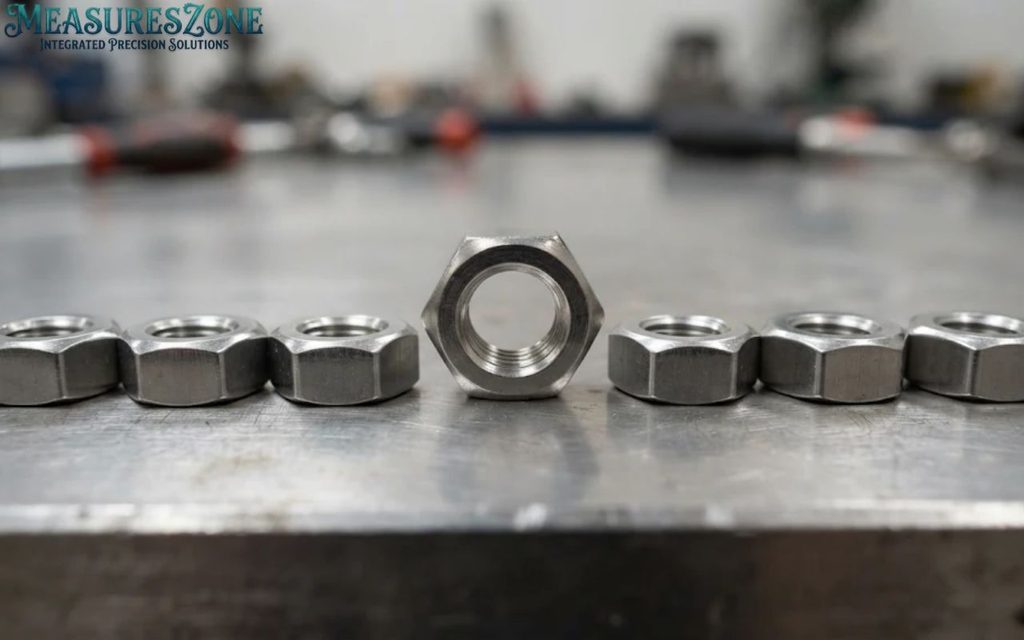
The matching M6 thread nut measures 10mm across the flats and stands roughly 5mm thick. That is why a 10mm socket fits both the bolt head and the nut. Mechanics love that overlap.
Tip: grab one M6 nut and you have got a pocket-sized 6mm size reference. Its thread bore is six millimeters even though its outside is wider.
6mm Drill Bit
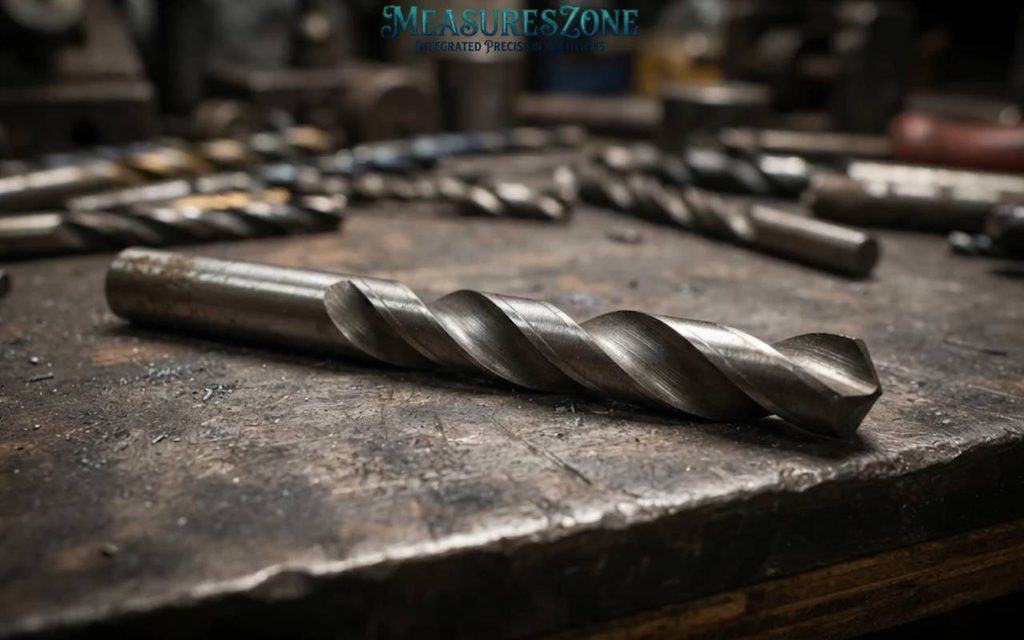
A six millimeters drill bit has a cutting diameter of exactly 0.2362 inches. That puts it between a 15/64 inch bit and a 1/4 inch bit. An HSS drill bit in this size is a staple for wood, plastic, and soft metal.
Here is where people slip up. Drilling holes for an M6 bolt calls for a different size than the bolt itself. Use a 5mm twist drill to tap an M6 thread. Use a 6.4mm to 6.6mm bit for a clearance hole so the bolt slides through. A metric drill bit set covers all three sizes.
6mm Bearings, Shafts and Rods
Small mechanical parts often use six millimeters dimensions for proper fitting, alignment, and movement.
6mm Ball Bearing
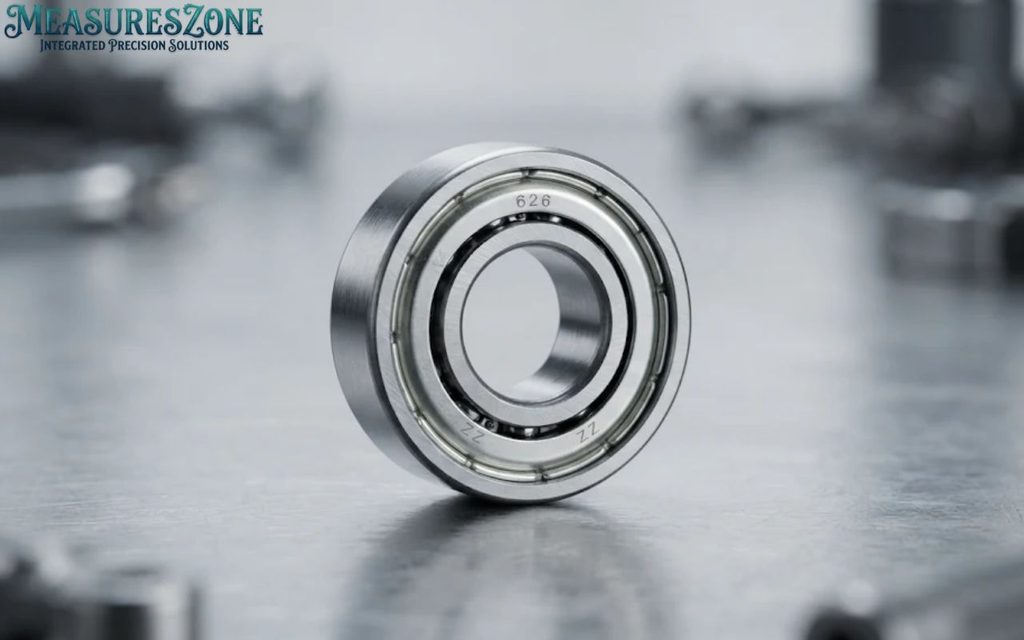
The most common 6mm ball bearing is the 626 bearing. It measures six millimeters inner diameter, 19mm outer diameter, and 6mm width. Many people call it a 626ZZ when it has metal shields.
This miniature bearing is a deep groove bearing. It spins smoothly in small motors, pulleys, and hobby machines. Notice that the six millimeters refers to the bearing bore and not the outside size.
Do not confuse it with the 608. That skate-style bearing has an 8mm bore and a 22mm outside diameter. The two look alike on a shelf but they will not swap.
6mm Steel Rod and 6mm Linear Shaft
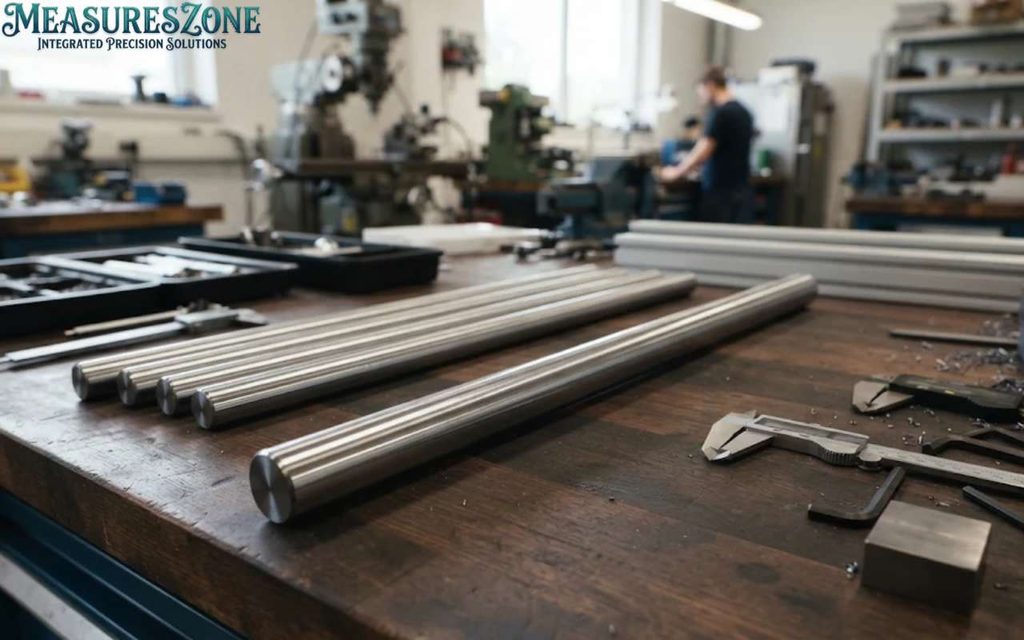
A 6mm steel rod is a round steel bar with a six millimeters diameter. It weighs about 0.222 kilograms per meter. The math is easy: carbon steel density runs near 7.85 grams per cubic centimetre and a six millimeters circle covers about 28.3 square millimeters.
Precision parts use the same size. A 6mm linear shaft is a ground steel shaft that guides motion in CNC tools and small 3D printers. It pairs with an LM6UU bearing, a linear bushing with a six millimeters inner diameter, 12mm outer diameter, and 19mm length.
Builders also use thin round bar of this size as light reinforcement bar in small concrete crafts.
See what 300 ml looks like in everyday containers.
6mm Thickness: Glass, Acrylic and Foam
Not everything with a six millimeters measurement is round. For flat materials, 6mm thickness describes how thick a panel or sheet is. It affects strength, weight, and price.
Glass Thickness
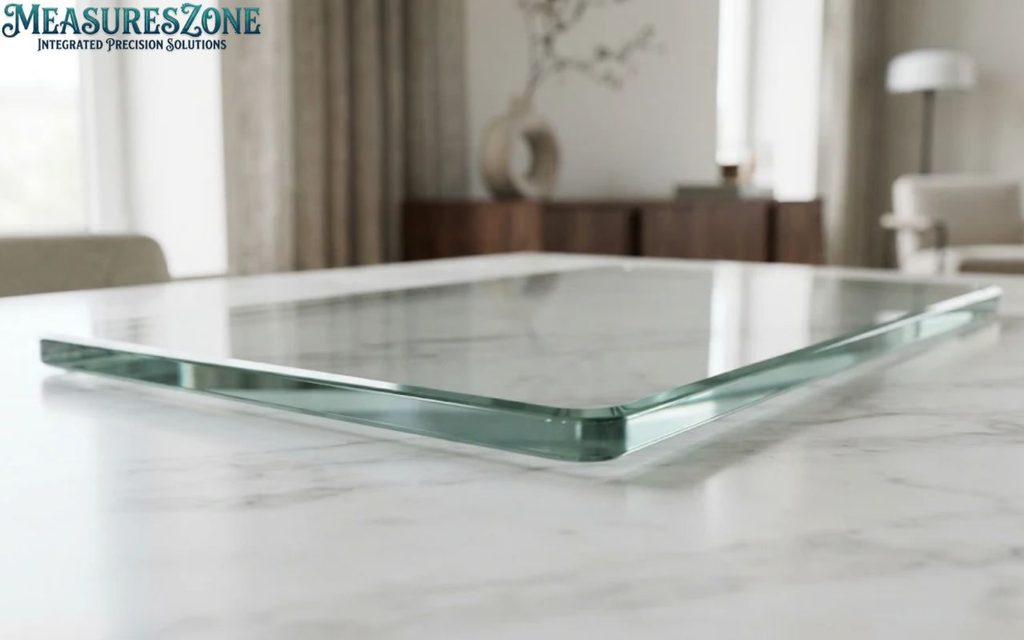
Glass thickness near 6mm is a common choice for tabletops, shelves, and tempered panels. It is close to the 1/4 inch listings in US catalogs. Glass weighs about 2.5 kilograms per square meter for every millimeter. That means a six millimeters sheet weighs roughly 15 kilograms per square meter.
Heavy glass needs strong supports. Plan for it before you buy.
Acrylic Sheet
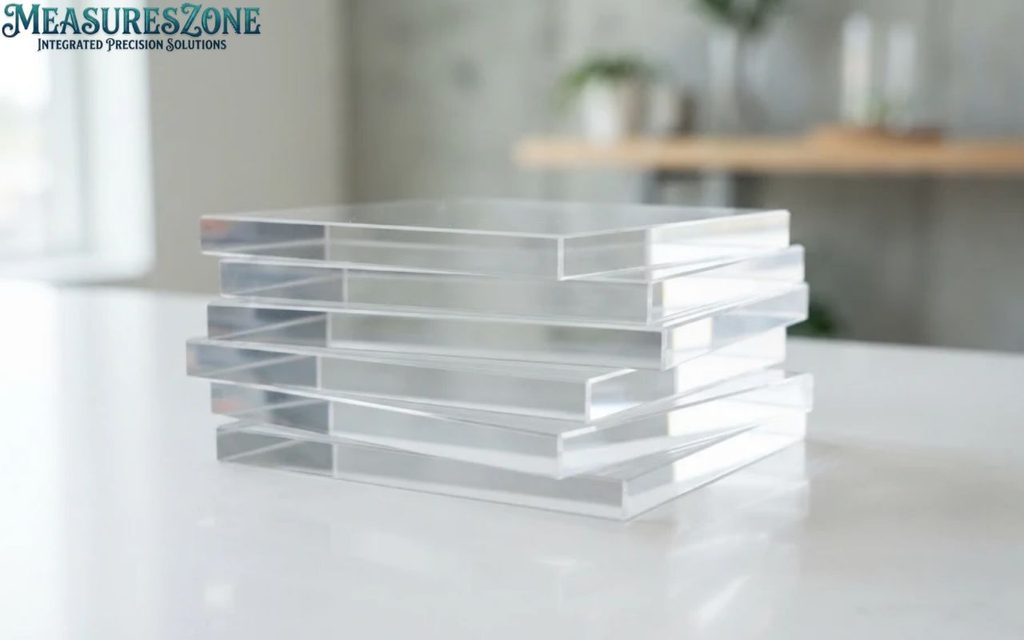
A 6mm acrylic sheet is a clear plastic sheet that cutters, crafters, and sign makers adore. Acrylic thickness at this level stays rigid enough for shelves, display cases, and picture frames. Acrylic panel stock weighs about 7.1 kilograms per square meter at six millimeters.
Compare that with glass. The same six millimeters acrylic sheet weighs about half as much. It is a DIY material that cuts easily with the right blade.
| 6mm sheet | Approx. weight | Best for |
|---|---|---|
| Glass | 15 kg per square meter | Tabletops, shelves, scratch resistance |
| Acrylic | 7.1 kg per square meter | Signs, frames, lightweight displays |
Yoga Mat and Foam Thickness
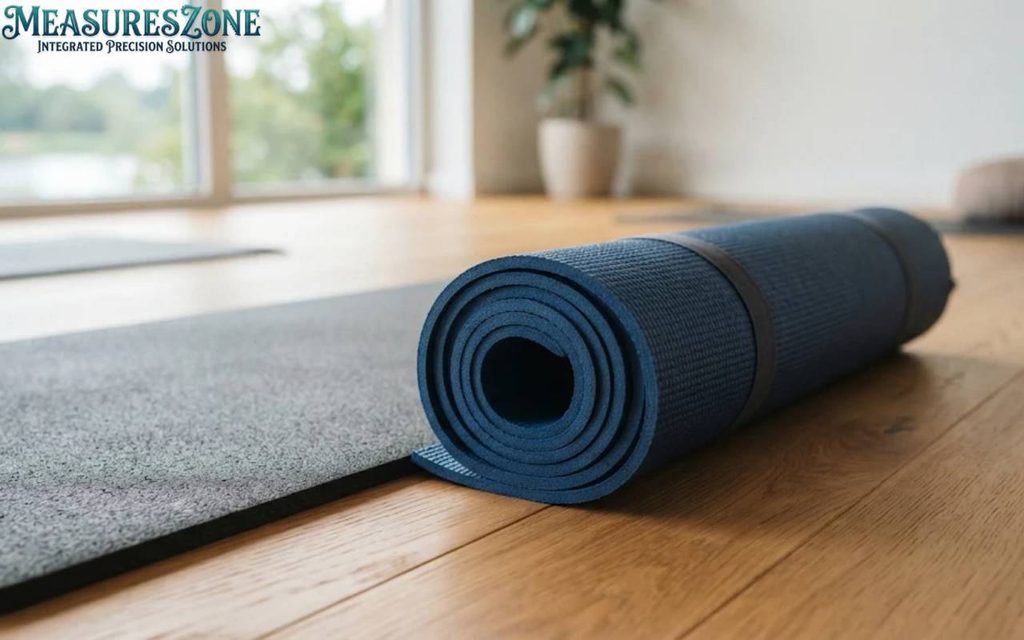
Most yoga mats run 3mm to 5mm thick. A 6mm mat sits on the plush end. It cushions knees and wrists but it also puts more distance between your feet and the floor.
Foam thickness matters for balance poses. If you wobble on a six millimeters mat, try a thinner travel mat for better ground feel.
Small Things You Can Hold: 6mm Examples
Some small everyday objects provide simple ways to visualize a measurement close to six millimeters.
6mm Airsoft BB
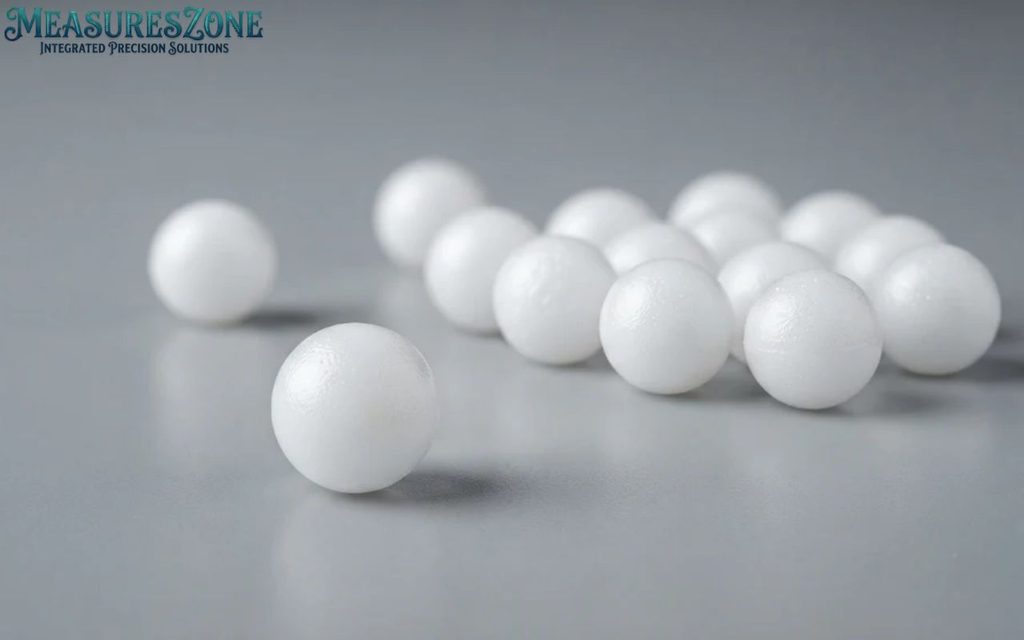
The six millimeters airsoft BB is the standard pellet for airsoft guns. The actual diameter lands near 5.95mm. Airsoft pellets come in weights from about 0.12 grams up to 0.40 grams. Precision BBs have tighter tolerances for steady flight.
Players call it a six millimeters BB for short. Pour a handful into your palm and you will see 6mm size in bulk. Heavier airsoft ammunition resists wind better. Lighter pellets suit low-power guns.
Explore how tall 1000 feet looks in real life.
Three Stacked US Nickels
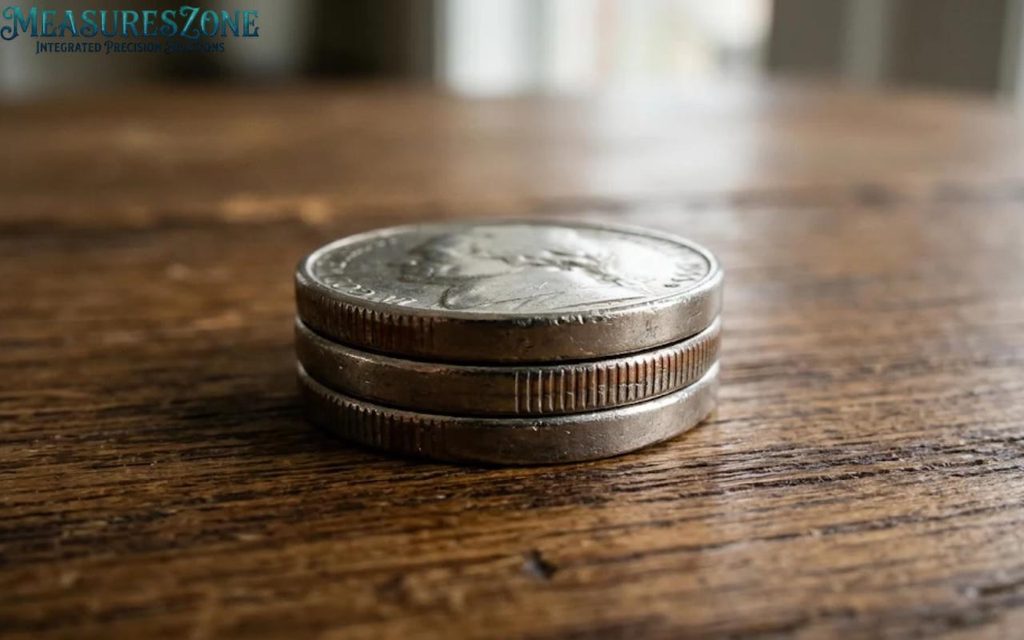
Coins give you a pocket ruler. The US Mint coin specifications list a nickel thickness of 1.95mm. Three nickels stacked reach 5.85mm. That is within 0.15mm of 6mm.
Set the stack on a flat table and view it from the side. Compare it with a metric ruler. A nickel also measures 21.21mm across and weighs 5 grams. The faces are smooth and flat, which makes the stack a steady spacer.
Four Stacked US Pennies
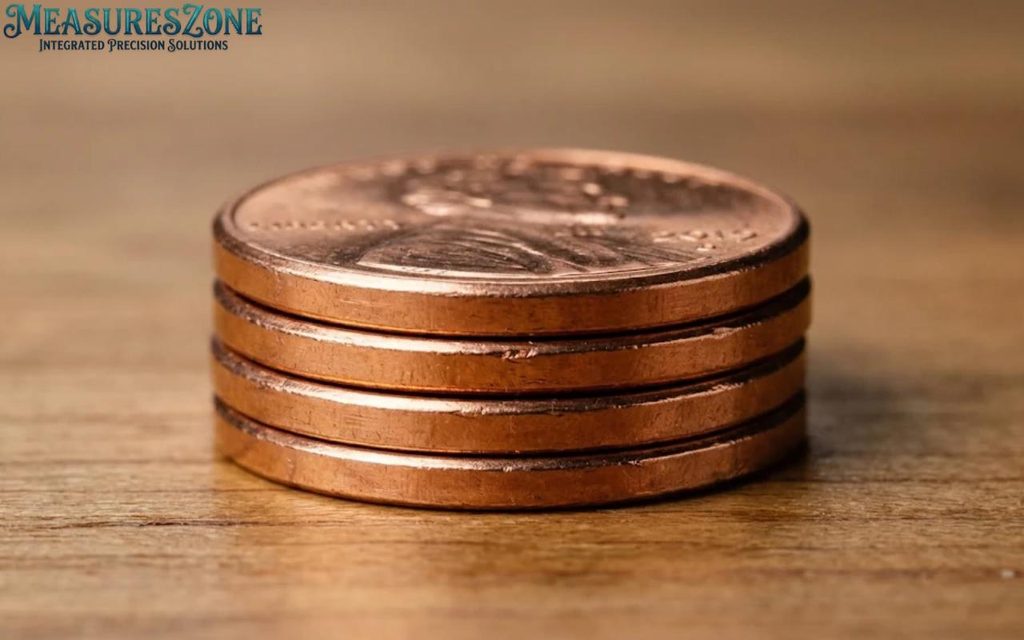
A penny measures 1.52mm thick. Four pennies make 6.08mm. That is the closest coin match you will find to 6mm because the stack tops it by only 0.08mm.
Use four pennies as a spacer when you set a small gap. A penny measures 19.05mm across and weighs 2.5 grams. Dimes and quarters fall short by more than half a millimeter.
A Ladybug

Nature offers a fun comparison. Common ladybugs measure roughly 5mm to 8mm long. The seven-spot ladybird is a familiar example near the middle of that range.
Scientists call ladybugs lady beetles or coccinellids. Size varies by species and region. Treat the insect as an estimate and not a gauge.
What Does 6mm Look Like Without a Ruler?
No ruler nearby? You can still estimate. This tricks work in a pinch.
Fingernails and Pencil Comparisons
A standard pencil measures about 7mm across. So 6mm looks just a bit slimmer than a pencil. That is a useful check when you picture small measurements.
Fingernails are less reliable. Nail width differs from person to person. Use coins when you need accuracy.
Is 6mm the Same as 1/4 Inch?
No. A quarter inch equals 6.35mm. That leaves a gap of 0.35mm. It sounds tiny but machines notice.
Case Study: The Shelf Bracket Mix-Up
Here is a common workshop scenario. A builder buys 1/4 inch bolts for brackets that were drilled with a 6mm drill bit. The bolt measures 6.35mm and the hole measures six millimeters. The bolt will not go in without force.
Now flip it. A 6mm bolt in a 1/4 inch hole (6.35mm) will rattle. That extra 0.35mm of play loosens the joint over time. Matching metric hardware to metric holes avoids both problems. The same logic applies to audio gear, where the 1/4 inch (6.35mm) jack is not a six millimeters plug.
See how long 1 inch is with everyday objects.
Thickness vs. Diameter vs. Bore: Why 6mm Dimensions Change Meaning
The same number can describe different things. Reading it right saves money and time.
- Thickness: glass, acrylic, plywood, and foam
- Diameter: beads, rods, pearls, and BBs
- Bore: the inner hole of a bearing or bushing
Nominal and actual sizes differ too. An M6 thread is called 6mm but real threads carry small tolerances. A 6mm BB measures closer to 5.95mm. Always check the spec sheet for the actual six millimeters dimensions.
Here are three mistakes to dodge when you shop:
- Ordering a 6mm bearing when you need a six millimeters outer diameter
- Assuming a 6mm sheet measures exactly 6.00mm (glass and acrylic carry tolerance)
- Mixing up a six millimeters bolt with a 6mm drill bit when drilling holes
6mm Comparison With Nearby Sizes
Seeing neighbors helps you place 6mm on the scale. This size comparison covers common metric steps.
| Size | Inches | Familiar example |
|---|---|---|
| 4mm | 0.157 in | M4 screw |
| 5mm | 0.197 in | M5 bolt |
| 6mm | 0.236 in | M6 bolt |
| 6.35mm | 0.250 in | 1/4 inch drill bit |
| 7mm | 0.276 in | Typical pencil width |
| 8mm | 0.315 in | M8 bolt and LEGO stud spacing |
LEGO fans may spot a link. Stud spacing on a brick is 8mm. A six millimeters part sits just under one brick unit.
Where the 6mm Measurement Matters in Medicine
Doctors use millimeters for tiny findings. Two examples stand out.
The American Academy of Dermatology notes that melanoma warning signs include a spot larger than about 6mm. That is roughly the size of a pencil eraser. Many melanomas are smaller. So any changing spot deserves a check.
Lung nodules offer another case. The Fleischner Society guidelines treat six millimeters as a key cut off for follow-up scans. Size alone never makes a diagnosis. A doctor must evaluate any concern.
How to Measure 6mm Accurately
Good tools make the job easy. Use the right one for the part.
- Metric ruler: Start at the 0 mark and not at the ruler’s edge.
- Digital caliper: Most deliver about ±0.02mm to ±0.03mm accuracy.
- Thread pitch gauge: Confirms an M6 thread at 1.0mm pitch.
- Drill bit gauge: Shows the bit size from a numbered hole.
For round parts, measure at two spots and rotate the part a quarter turn. Wear and burrs can skew a single reading. Closing the caliper gently keeps your six millimeters measurement honest.
For sheets, measure at the edge in a few places. Cut glass and acrylic can vary slightly across a panel. Record the average and note the spread.
Frequently Asked Questions About 6mm
Find quick answers to common questions about six millimeters measurements, everyday comparisons, conversions, and practical uses.
How many 6mm objects fit in one inch or one foot?
You can line up about 4 objects per inch, since 25.4mm divided by 6mm gives 4.23. A full foot holds roughly 50 of them, because 304.8mm divided by 6mm comes to 50.8. Beads, BBs, and small bearings follow the same math.
How much water is 6mm of rain?
Six millimeters of rain equals 6 liters on every square meter of ground. In inches that is about 0.24. A garden bed of 10 square meters would catch 60 liters.
Which hex key matches a 6mm Allen wrench size?
A six millimeters hex key fits an M8 socket cap screw. Many people expect it to fit M6 bolts. Those need a 5mm key instead.
Is a 6mm knitting needle the same as a US size?
Yes. A six millimeters knitting needle equals US size 10. It works well with bulky yarn and gives scarves and blankets a loose, airy drape.
What does “6mm” mean in 6mm Creedmoor?
The name points to the bullet size. A six millimeters Creedmoor cartridge fires bullets that measure 0.243 inches across, or about 6.17mm. That is why the “6mm” label is a class name and not an exact measurement.
Conclusion
So, how big is 6mm? It is 0.2362 inches, about four pennies stacked flat. You have now seen it as a pearl, an M6 bolt, a 626 bearing, a six millimeters acrylic sheet, and even a ladybug. Each one gives you a picture you can trust the next time a spec sheet throws the number at you.
The real skill is reading what the number describes. Is it a diameter, a thickness, or a bore? Remember too that six millimeters and 1/4 inch sit 0.35mm apart. Grab a calliper or a few coins, check twice, and you will choose the right part the first time.
Quick Quiz: How Big Is 6mm?
Test your knowledge of six millimeters measurements with this quick quiz covering everyday objects, conversions, and practical comparisons.
1. What is 6mm in decimal inches?
A) 0.1969 in
B) 0.2362 in
C) 0.2500 in
D) 0.3150 in
2. Which coin stack comes closest to 6mm tall?
A) Two quarters
B) Two dimes
C) Four pennies
D) Six nickels
3. What size drill bit do you use to prepare a hole for tapping an M6 thread?
A) 4mm
B) 5mm
C) 6mm
D) 7mm
4. How many millimeters equal 1/4 inch?
A) 5.80mm
B) 6.00mm
C) 6.35mm
D) 7.94mm
5. What is the bore (inner diameter) of a 626 ball bearing?
A) 6mm
B) 8mm
C) 12mm
D) 19mm
Answers
1. B(0.2362 in)
2. C(Four pennies, about 6.08mm)
3. B(5mm)
4. C(6.35mm)
5. A(6mm)
Discover what 100 acres looks like in real life.

David John is an experienced blogger and the admin of the Measurements category at Measures Zone. He shares accurate and easy to understand measurement guides for readers.