

Picture a recipe that asks for 300 ml of stock while your kitchen has no measuring jug in sight. Do not panic. 300 ml equals 0.3 litres, about 10.1 US fluid ounces, or roughly 1¼ US cups. That is a touch more than a standard glass of water and a bit less than a can of soda.
Numbers on a label only help when you can see them in your head. This guide ties the 300 millilitre measurement to familiar containers like mugs, cans, baby bottles, and jugs.
You will also get conversion tables, quick tricks for measuring without special tools, and a simple DIY project. By the end, you will eyeball this liquid quantity with real confidence.
How Much Is 300 ml? The Quick Answer
300 ml is a standard volume measurement for drinks, sauces, and baby feeding across much of the world.
Water makes the math friendly. One milliliter of water weighs about one gram. That means 300 ml of water weighs close to 300 grams (about 10.6 ounces). At room temperature the exact figure is nearer 299.5 grams, which is close enough for any kitchen.
Here is how 300 ml looks across popular volume units:
| Unit | 300 ml equals |
|---|---|
| Litres | 0.3 L |
| US fluid ounces | about 10.14 fl oz |
| UK fluid ounces | about 10.56 fl oz |
| UK pints | about 0.53 pint |
| US cups | about 1.27 cups |
| US tablespoons | about 20.3 tbsp |
| US teaspoons | about 60.9 tsp |
| Cubic centimeters | 300 cm³ |
Why do two ounce figures appear? A US fluid ounce is about 29.57 ml while a UK fluid ounce is about 28.41 ml. So any ounce conversion for 300 ml depends on which system you use. Some labels call these liquid ounces, which means the same thing.
How Much Is 300 ml in Real Life? 11 Everyday Examples
Real-life comparisons beat abstract numbers every time. Each of these everyday examples uses a published or widely standardized size. You can trust the math. You will spot most of them among the common household items and daily objects around you.
A 12 oz Soda Can Filled About 85%
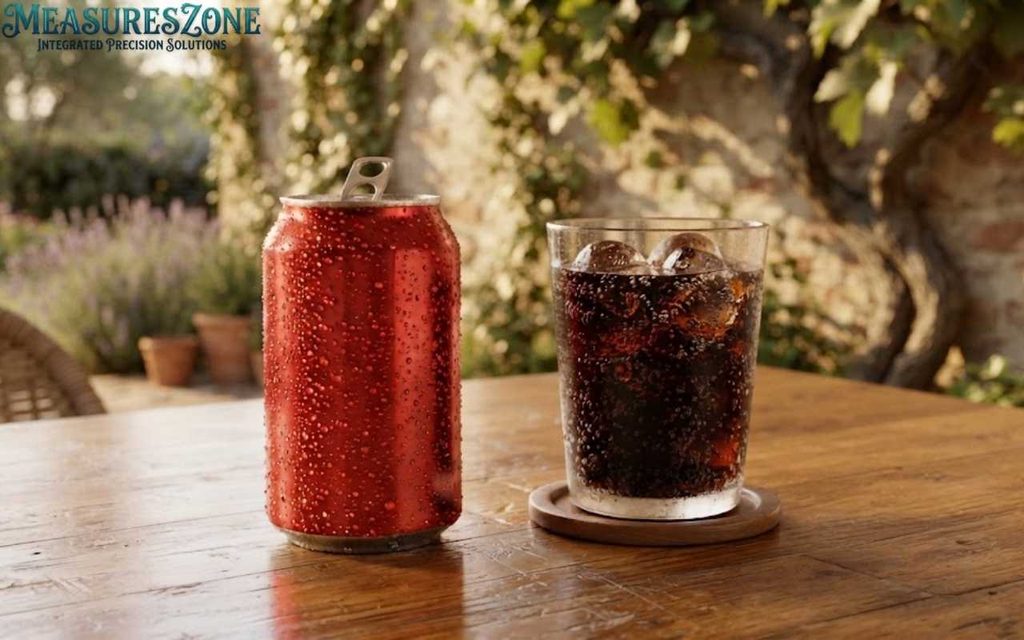
A standard US soda can holds 12 fluid ounces or 355 ml. Fill it to roughly 85% and you have 300 ml.
If you have ever left a can a few sips short of full, you have held about this liquid quantity. It is one of the easiest daily objects to use as a guide.
A Typical Coffee Mug
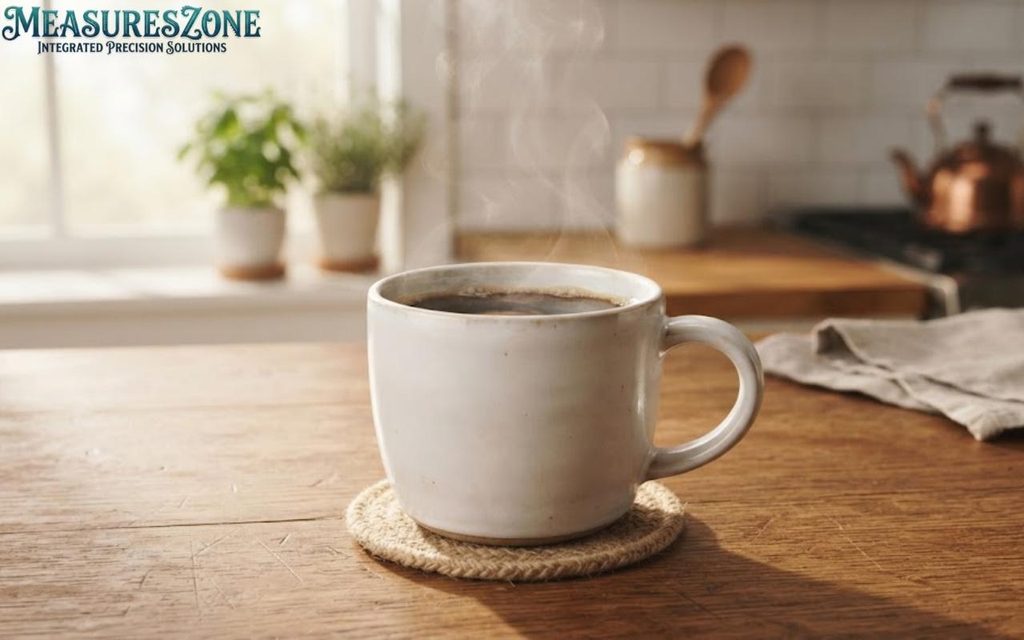
Most ceramic mugs hold between 240 and 350 ml. A standard coffee mug filled nearly to the brim lands right around 300 ml. Mug capacity varies a lot though. A dainty tea mug may top out near 250 ml while an oversized coffee cup can pass 450 ml.
Quick test: pour water from a marked jug into your favourite hot drink container once. You will know its true size forever.
A Starbucks Size Between Short and Tall
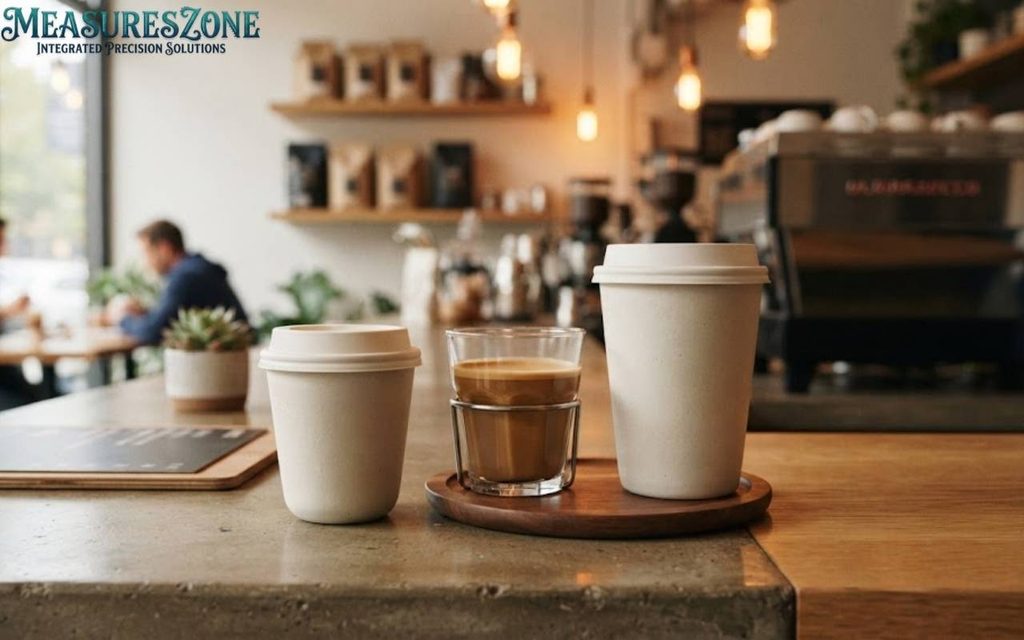
Starbucks sells a Short at 8 fluid ounces (237 ml) and a Tall at 12 fluid ounces (355 ml). Your 300 ml sits between the two.
It is 63 ml above a Short and 55 ml below a Tall. Picture a Tall latte with a few sips already gone.
A Large Baby Bottle
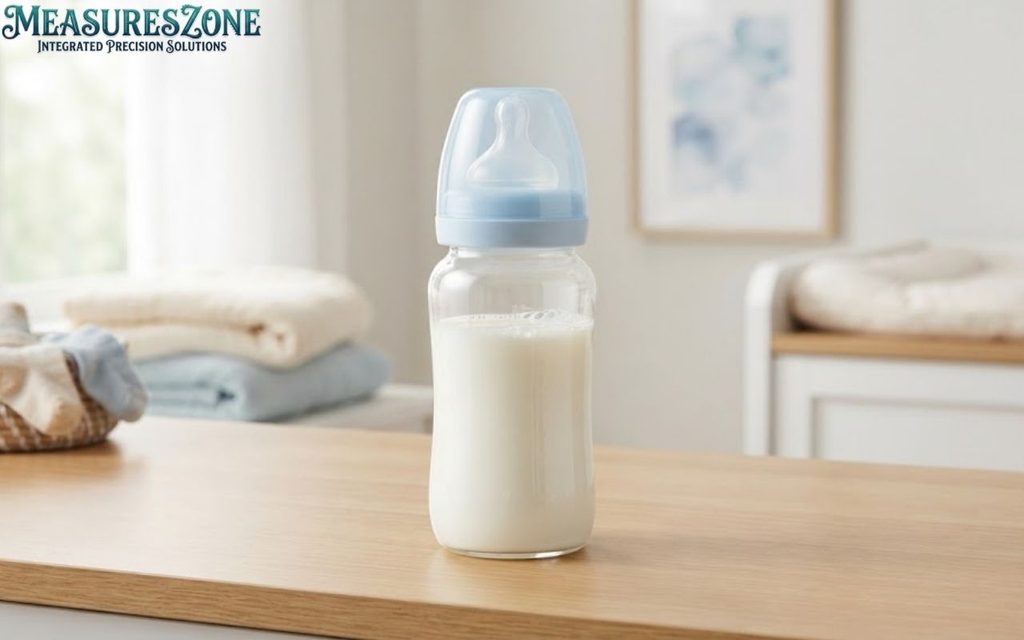
Large baby bottles often come in 9 oz (about 270 ml) and 11 oz (about 330 ml) sizes. A 300 ml fill falls between those two marks. Always follow the preparation guide on your formula tin when mixing feeds.
A Half-Pint Glass
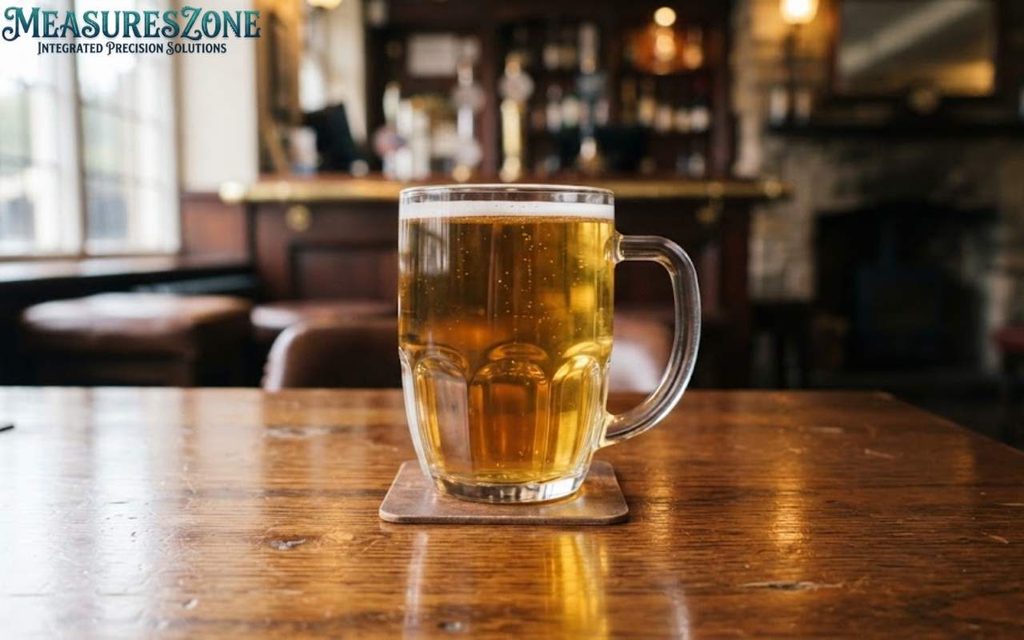
A UK pint measures 568 ml. That makes a half pint 284 ml. Your 300 ml is just 16 ml more, about one tablespoon. A full half pint is a near-perfect match.
You will find a close cousin in the US. A 10 fluid ounce pour equals about 296 ml. Some bars serve beer in glasses that size. Either way, a short glass at the pub is a good mental image for this amount.
Explore how tall 1000 feet looks in real life.
Two Standard Glasses of Wine
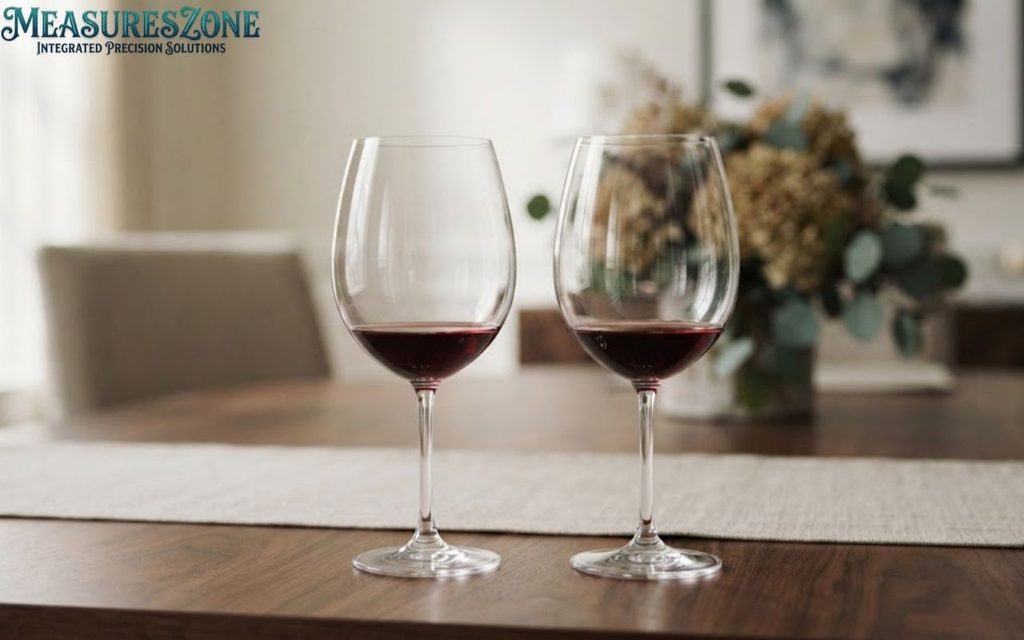
A standard US wine pour is 5 fluid ounces or about 148 ml. Two pours add up to roughly 296 ml, which is almost exactly 300 ml. It also equals about 40% of a 750 ml wine bottle.
The 300 ml Line on a Measuring Jug
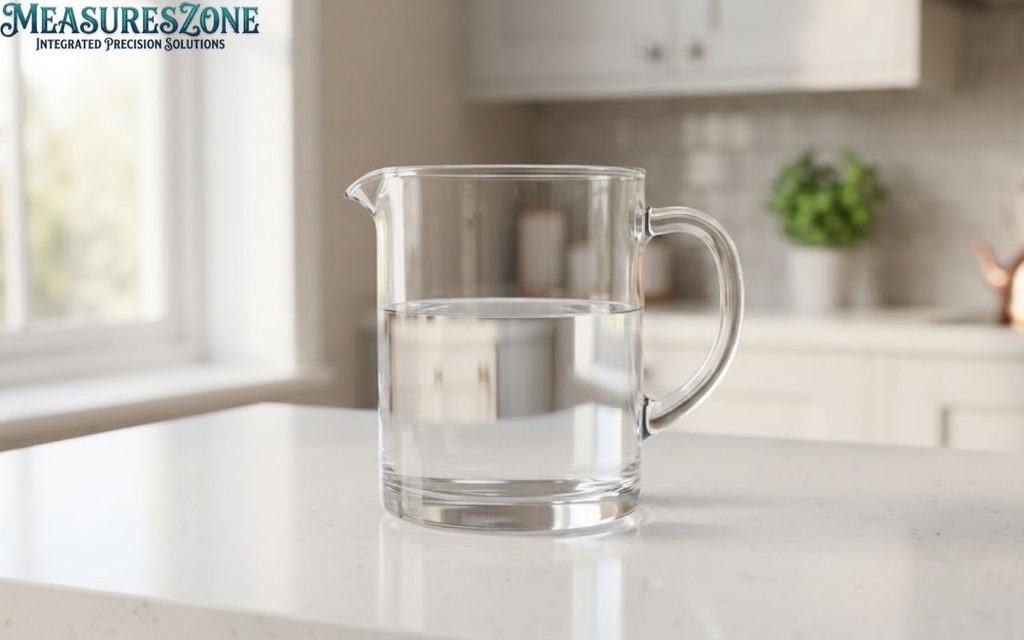
Many 500 ml measuring jugs mark every 50 ml. The 300 ml line sits at the sixth mark, which is 60% of the way to the top. Picture that fill line and you will recognize the amount anywhere.
A Carton of Cream
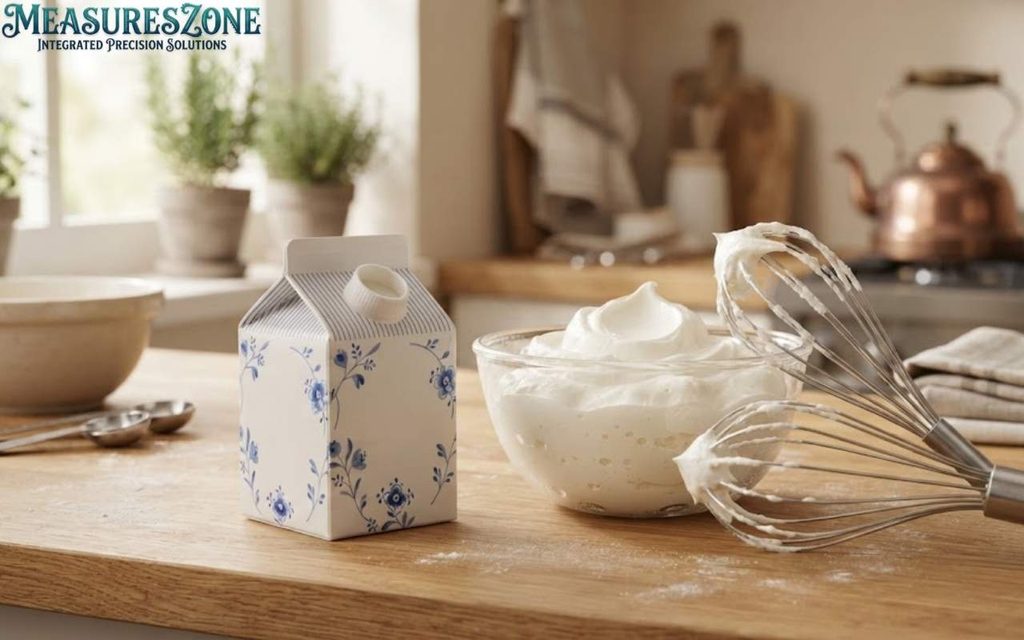
Supermarkets in Australia and the UK commonly sell cream in 300 ml cartons. Pick one up next time you shop. It is a neat, tangible way to feel this volume in your hand.
Cream is a handy recipe reference too. Whipping roughly doubles its volume. One 300 ml carton can give you around 600 ml of whipped cream, enough to top a large pie or fill a layer cake. Recipes often call for the whole carton since it is an easy, standard amount.
See how long 1 inch is with everyday objects.
A Small Bottle of Water or Soft Drink
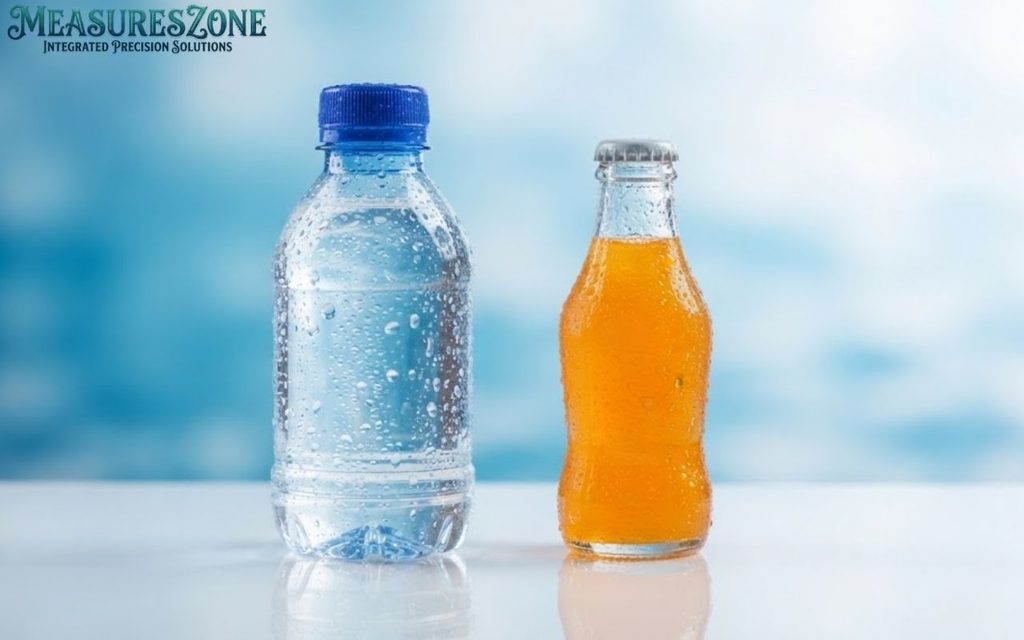
Some markets sell soft drinks in 300 ml bottles. India is one example. Bottled water usually comes in 330 ml and 500 ml sizes instead. Your 300 ml equals about 91% of a 330 ml bottle and 60% of a 500 ml bottle.
Three Airport-Size Liquid Containers
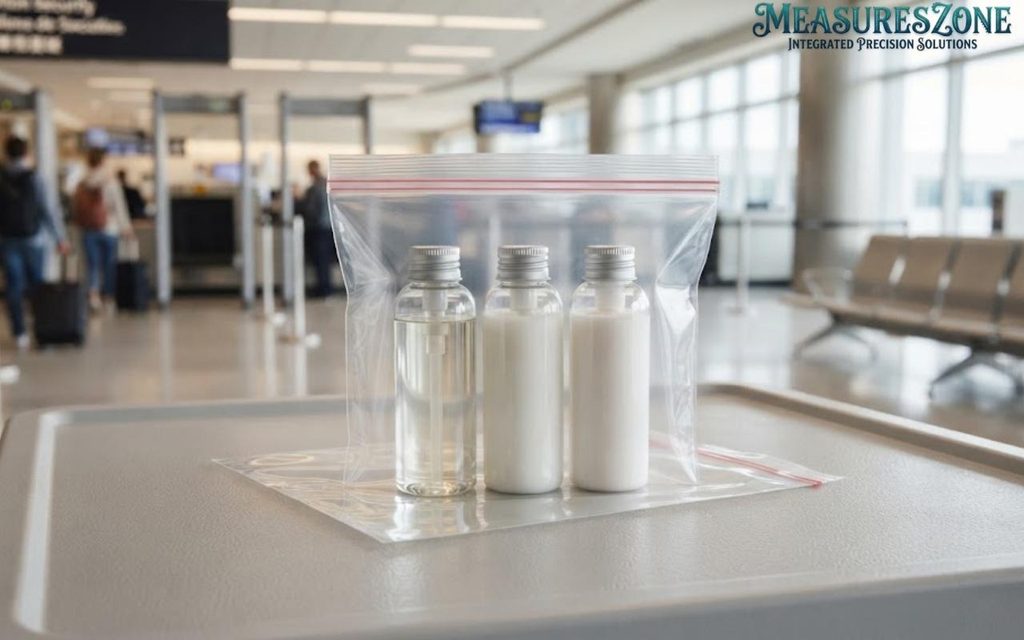
The Transportation Security Administration lets you carry liquids in containers of 3.4 ounces (100 ml) or less. Each one must fit in a single quart-size bag. You can read the full rule on the TSA liquids page. Three full 100 ml bottles equal 300 ml.
A BOD Bottle in a Science Lab
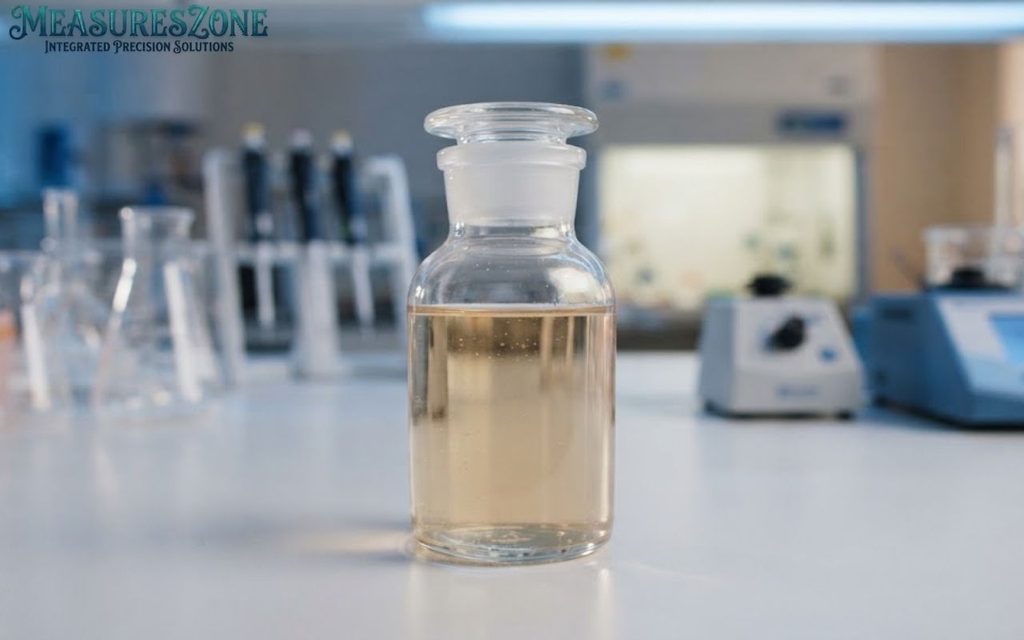
Water-quality labs use 300 ml glass bottles for the biochemical oxygen demand test. Technicians fill them with a water sample and incubate them for five days at 20°C. That is a real-world, professional use of this exact capacity measurement.
How 300 ml Compares to Common Drinking Vessels
A household glass is a great ruler for liquids. Most water glass sizes fall between 240 and 350 ml. That means the glass capacity near 300 ml is completely normal for any beverage glass on your shelf.
| Container | Typical capacity | 300 ml compared |
|---|---|---|
| Small juice glass | about 150 ml | Exactly 2 glasses |
| US measuring cup | 237 ml | 27% more |
| UK half pint | 284 ml | 6% more |
| Standard water glass | 240 to 350 ml | About the same |
| Small bottled water | 330 ml | 91% as much |
| 12 oz soda can | 355 ml | 85% as much |
| Standard bottled water | 500 ml | 60% as much |
Reusable bottle sizes vary widely. Many kids’ reusable bottles hold roughly 300 to 400 ml. Check the bottle capacity printed on the base before you count on it. A beverage container with a clear scale on the side makes tracking your intake even easier.
Discover what 100 acres looks like in real life.
How Much Is 300 ml Compared to One Litre?
One litre holds 1000 millilitres. That makes 300 ml exactly 0.3 litres or 30% of a litre. A single litre gives you three full 300 ml portions with 100 ml left over.
Litre conversion is simple. Divide milliliters by 1000 to get litres. Multiply litres by 1000 to get milliliters.
| Volume | Litres | Share of one litre |
|---|---|---|
| 100 ml | 0.1 L | 10% |
| 250 ml | 0.25 L | 25% |
| 300 ml | 0.3 L | 30% |
| 500 ml | 0.5 L | 50% |
| 750 ml | 0.75 L | 75% |
| 1000 ml | 1 L | 100% |
A 2-litre soda bottle holds six portions of 300 ml with 200 ml to spare. If your daily drinking goal is about 2 litres, one 300 ml glass covers 15% of it. Handy metric volume math like this makes daily tracking painless.
300 ml for Cooking
Recipes from the UK, Australia, and New Zealand often list liquid ingredients in millilitres. US recipes, however, commonly use cups. Understanding the difference helps you measure stock, milk, cream, and other ingredients accurately.
For everyday cooking, use a clear liquid measuring jug with easy-to-read markings. Place it on a flat surface and pour slowly until the liquid reaches the desired line. Read the measurement at eye level, using the bottom of the curved liquid surface (meniscus).
Remember that measuring standards vary between countries. A US cup and a metric cup do not hold the same volume. Always check which measurement system your recipe follows, especially when baking, where small differences can affect the final result.
How to Measure 300 ml Without a Measuring Cup
No jug at hand? You still have options. Try these simple methods:
- Use a kitchen scale. Set a container on the scale and zero it. Pour in water until it reads 300 g.
- Use a standard cup. Fill a US measuring cup to the top and add roughly 4 tablespoons. Or use 1¼ cups for a result within a few milliliters.
- Use a bottle. Fill a 500 ml water bottle to 60% of its content, or three fifths.
A word of caution on the scale trick. It works best with water and thin liquids such as milk or stock. Thick liquids like honey weigh more than water per millilitre. Oil weighs less. For those, a proper measuring jug is the safer choice.
Compare Gatorade bottle sizes and dimensions.
DIY Project: Make a 300 ml Measuring Container
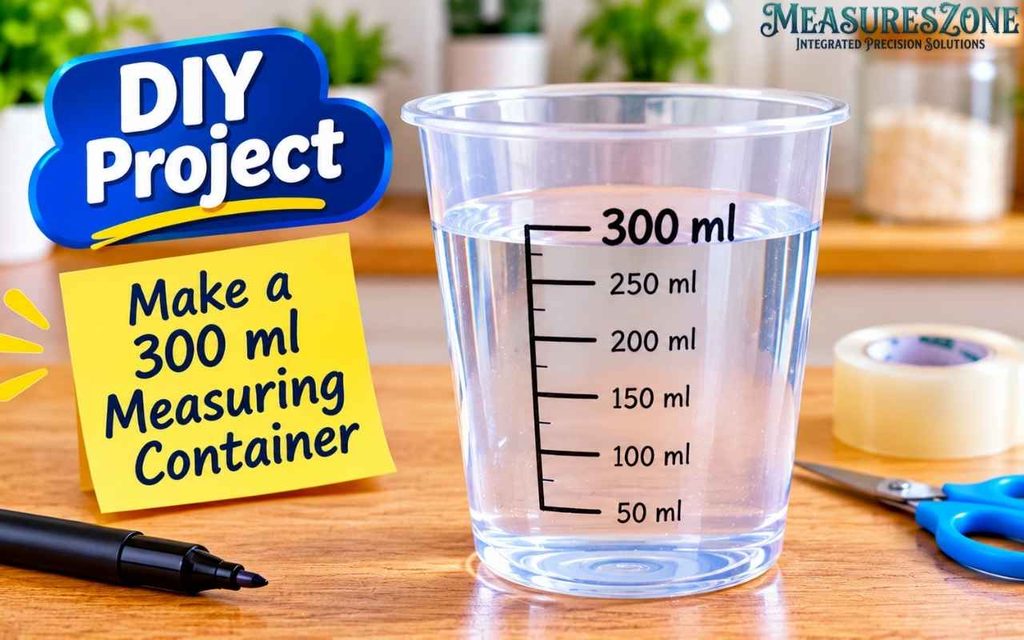
A homemade measuring cup is a fun, useful kitchen hack. It also teaches you how liquid volume and weight connect. Best of all, it costs almost nothing.
Materials Needed
- A clear jar or bottle with straight sides
- A digital kitchen scale
- Water
- A permanent marker
- Masking tape
Project Steps
- Place your empty jar on the scale and press the tare button to zero it.
- Pour in water slowly until the display reads 300 g.
- Stick a strip of masking tape level with the water line.
- Mark the tape with the marker and label it “300 ml.”
- Pour the water out. Refill to the line by eye and check the scale again.
- Add extra lines at 100 g and 200 g if you like.
Read the water level at eye level and use the bottom of the curved surface. That curve is called the meniscus. Cool tap water works best.
What You Will Learn
- One milliliter of water weighs about one gram.
- A marked container can replace a pricey measuring tool.
- Small errors in reading a line show up on the scale right away.
This DIY measuring tool turns any liquid container into a reliable measurement vessel. Keep it in the cupboard for baking days.
Where Is 300 ml Commonly Used?
You meet this size more often than you think. Here are the main places it appears:
- Recipes: Cream, stock, milk, and batter in metric-measure countries.
- Packaging: Small bottles and cream cartons in certain markets.
- Baby feeding: Fill lines on mid-to-large baby bottles.
- Science labs: BOD bottles for water testing.
- Travel planning: Three 100 ml containers for carry-on bags.
Case Study: The 3-1-1 Rule
The TSA introduced its 3-1-1 liquids rule in September 2006. The rule limits each container to 3.4 ounces (100 ml). It also requires one quart-size bag per traveler. Since then, millions of travelers have learned to picture 100 ml at a glance. Three of those small bottles give you the 300 ml total that you will see on many toiletry lists.
Common Questions About 300 ml
Find quick answers to common questions about 300 ml, its conversions, and everyday uses.
How many 300 ml servings fit in a US gallon?
A US gallon holds about 3,785 ml. That gives you roughly 12.6 servings of 300 ml. In practical terms, you can pour 12 full portions and have about 185 ml left over.
How much does 300 ml of milk weigh?
300 ml of whole milk weighs approximately 309 grams (10.9 ounces) because milk is slightly denser than water.
How many calories are in 300 ml of whole milk?
300 ml of whole milk contains approximately 185–190 calories, while the same amount of skim milk has around 100 calories, according to USDA data.
Final Thoughts on How Much 300 ml Is
You now have plenty of ways to picture 300 ml. It sits just above a mug and just below a soda can. Think of it as about 1¼ cups or a Tall latte minus a few sips.
Next time a recipe or label lists 300 millilitres, you will know exactly what to reach for. Grab a jug or a scale. Or simply trust your eyes.
Discover what 12 cm looks like with common objects.

David John is an experienced blogger and the admin of the Measurements category at Measures Zone. He shares accurate and easy to understand measurement guides for readers.