

You have probably held something that measures 1 inch today without noticing. Maybe it was a coin. Maybe it was the cap on your drink. Once you know what to look for, an inch pops up everywhere.
This guide gives you 12 1 inch examples pulled from everyday objects. Each one comes with a real measurement. Some hit the mark exactly while others land a hair over or under. You will see which is which.
How Long Is an Inch? A Simple Explanation
So, how long is an inch? Since 1959, one inch has equaled exactly 25.4 millimeters or 2.54 centimeters. That number comes from the international yard and pound agreement. The United States, United Kingdom, Canada, Australia, New Zealand, and South Africa signed on to it. You can read more about measurement standards at NIST.
Here is the quick version of the inch measurement. Twelve inches make a foot. Thirty-six inches make a yard. The one inch length is a small measurement.
Why does this matter? Because a good length reference saves time. You can check a screw, a photo frame, or a hem without hunting for a tape measure.
Quick rule: If it is about as wide as a US quarter plus a hair, you are near 1 inch.
Mini Case Study: The 1959 Agreement
Before 1959, the American inch and the British inch differed by a tiny amount. The gap was about two parts in a million. That sounds like nothing. Yet it caused real headaches for engineers who built parts in both countries.
The 1959 agreement fixed the problem. Every country involved adopted 25.4 mm as the inch size. Today, that single number sits behind every ruler and tape measure you own.
1 Inch Conversion Table
A conversion table keeps the inch dimensions handy. Use it whenever you switch between systems.
| Unit | Equals 1 Inch |
|---|---|
| Millimetres | 25.4 mm |
| Centimeters | 2.54 cm |
| Meters | 0.0254 m |
| Feet | 0.0833 ft (1/12) |
| Yards | 0.0278 yd (1/36) |
| Printer points | 72 pt |
| Picas | 6 pc |
Designers use points and picas every day. A standard PDF page treats 72 points as exactly one inch. Now you know why.
What Does 1 Inch Look Like? A Visual Inch Guide
Numbers are fine. Pictures are better. Think of this section as your visual inch guide.
Picture the tip of your thumb, from the nail to the first joint. For many adults that stretch runs close to an inch. Now picture a US quarter lying flat on a table. Its edge sits just under the mark.
A one-inch comparison works best when you use something you already own. That is why the next sections lean on everyday measurements and common objects. Each example doubles as a size reference you can grab in seconds.
12 Real Examples of 1 Inch Objects
Here come the real-life examples. Each entry has its own measurement and a tip for using it.
1. Quarter Coin Diameter
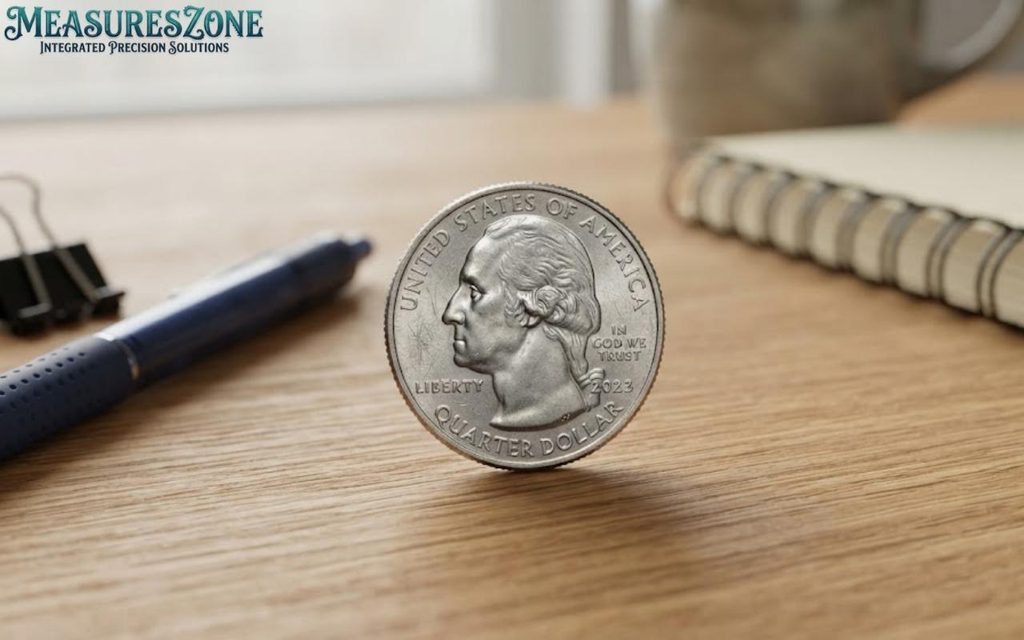
The US quarter size is 0.955 inches across, or 24.26 mm. The US Mint publishes this coin diameter for every circulating coin. It is thin too. A quarter is 1.75 mm thick. This coin measurement falls about 0.045 inches short of a full inch. That is roughly the thickness of two stacked dimes. For most quick checks the gap will not matter.
Want a trick? Lay the quarter on a printed page. Draw around it. Your circle is a circular comparison that lands within a hair of one inch.
2. Dollar Coin Diameter
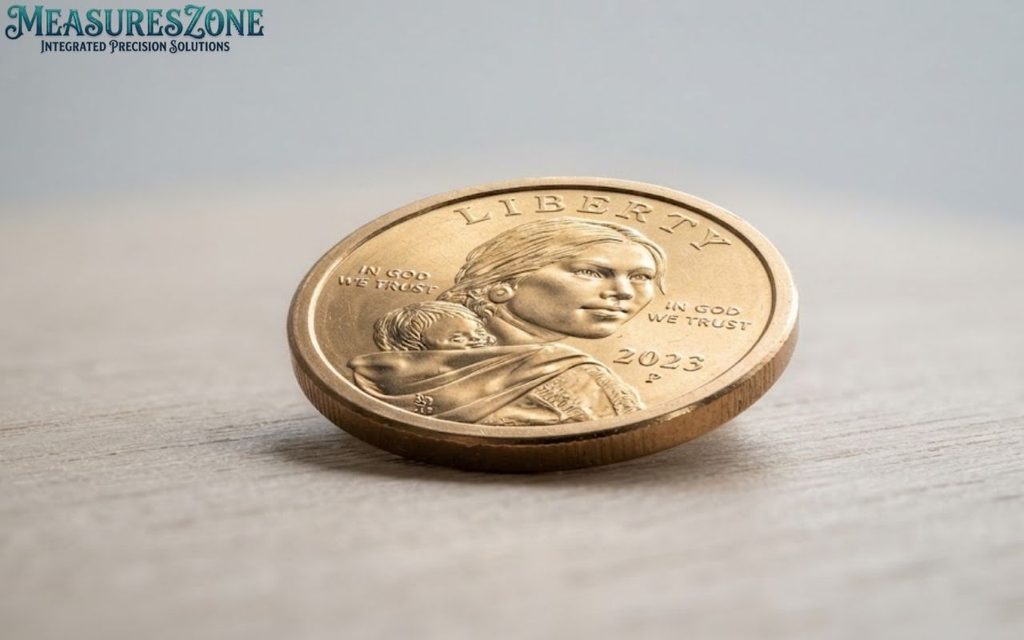
The Sacagawea and Native American dollar coins measure 26.5 mm across, which equals 1.043 inches. The coin width overshoots by just 0.043 inches.
Pair this coin with a quarter. One sits a little below the mark while the other sits a little above. Together they bracket the one-inch size nicely.
3. Bottle Cap Width
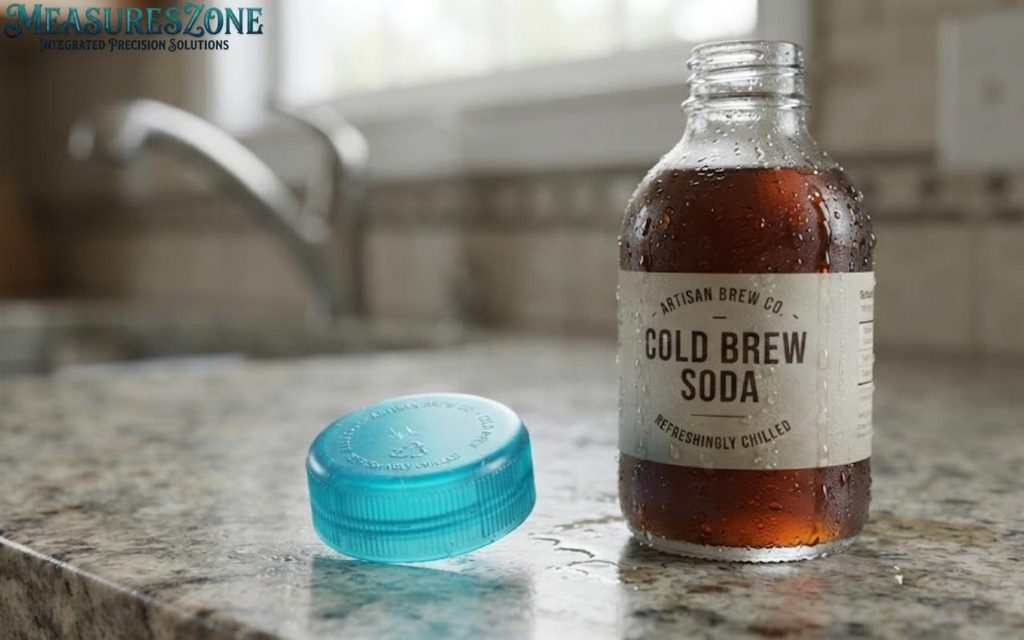
A standard crown cap, the metal kind on glass soda and beer bottles, measures about 26 mm wide. That is roughly 1.02 inches. This circular object sits very close to an inch.
A plastic bottle cap runs a bit larger. Most soda and water bottles use a 28 mm neck finish, so the cap itself measures about 1.2 inches across. Treat that cap diameter as an upper limit rather than a match.
Here is the takeaway for drink cap size. Glass bottle caps give you a near-perfect inch. Plastic caps give you about one and a fifth. Either way, this cap measurement beats guessing.
4. Thumb Width
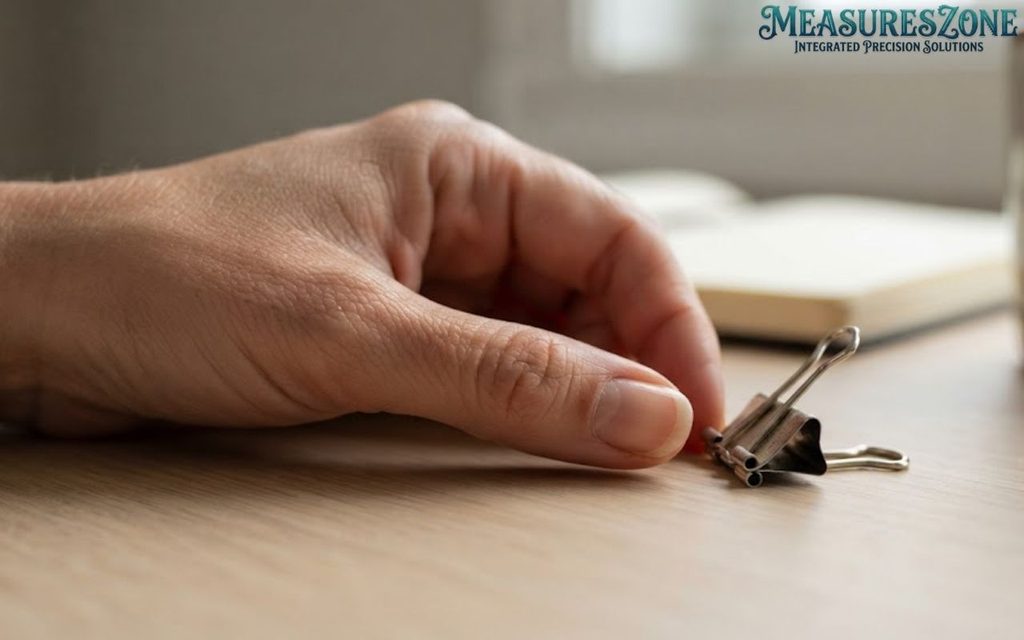
The old rule says a thumb equals an inch. In fact, the word “inch” traces back to the Latin word for a twelfth part, and early English law tied it to body and grain sizes. Today the rule still works as a rough guide.
Adult thumb width varies. Many hands measure between 0.8 and 1.0 inches across the knuckle. That makes the thumb a handy inch estimate but not a precise tool.
Do this once. Press your thumb against a ruler and note the result. Now your thumb measurement works as a personal body measurement you can trust. Use the same approach for finger width and any other hand measurement you want to memorize.
Discover what 100 acres looks like in real life.
5. Paperclip Length
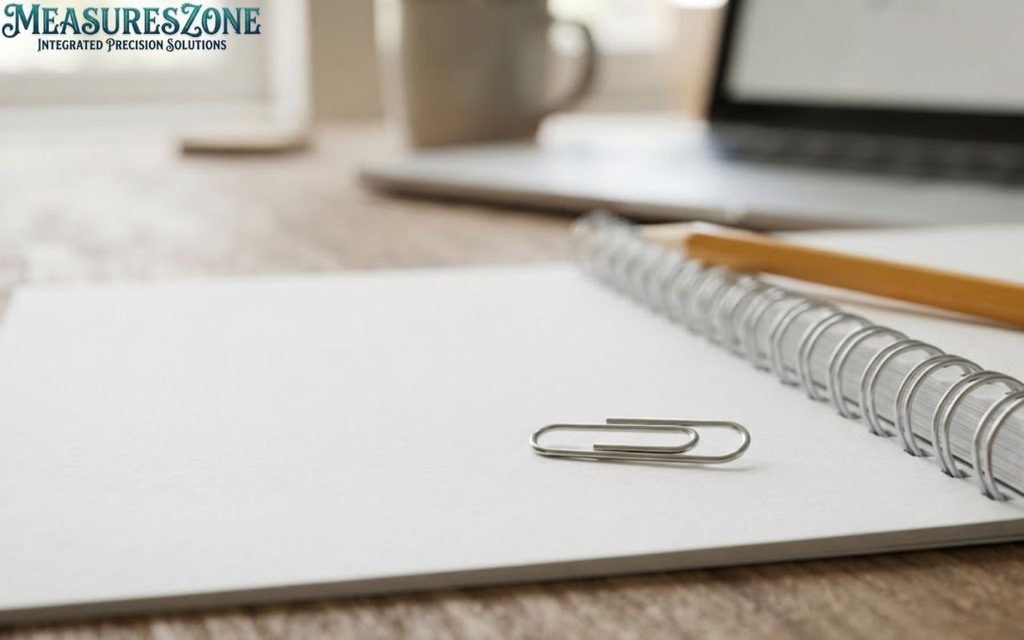
Among office supplies, the small paperclip is a handy reference. Mini clips run about 25 mm long, or one inch. Standard clips stretch longer, roughly 1.25 inches.
This paperclip measurement helps because a clip is a straight object. You can lay it along a page edge and mark the inch. The metal clip also bends back into shape, so you can carry one in your wallet as a pocket ruler.
Check the box before you rely on it. Clip sizes vary by brand.
6. USB Flash Drive Width
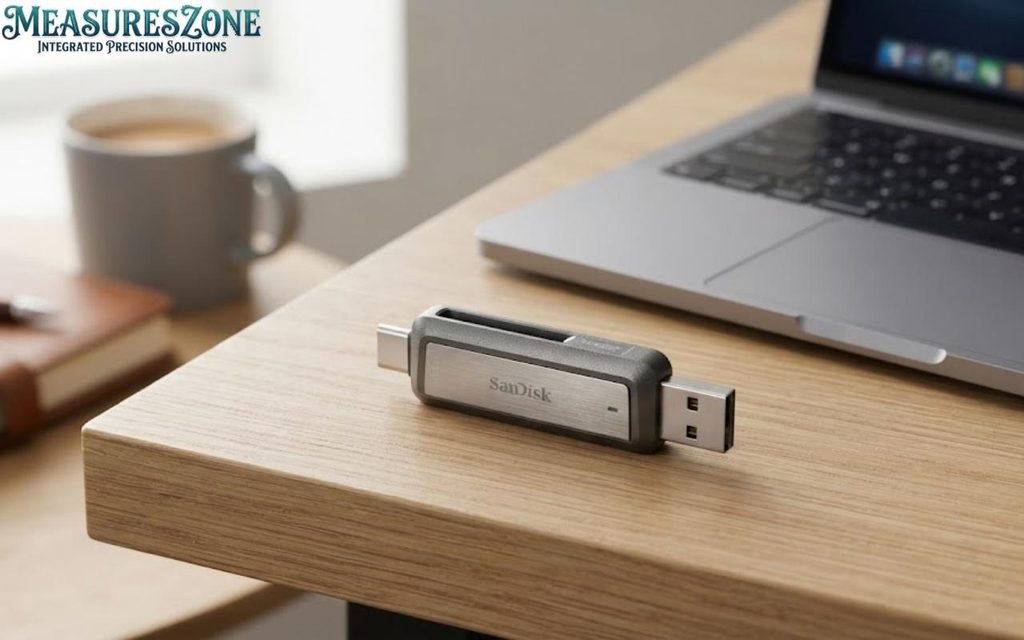
The metal plug on a USB-A drive measures 12 mm wide, which is about 0.47 inches. That is only half an inch. The plastic body around it often runs wider.
So what is the USB drive size in practice? The flash drive dimensions change by model. Slim sticks measure around half an inch wide while chunky designs reach about one inch. Treat this storage device as a device width check you confirm with a ruler.
Among tech accessories, USB sticks make a handy second opinion. Hold one against a quarter and see which is wider.
7. Standard Dice Height
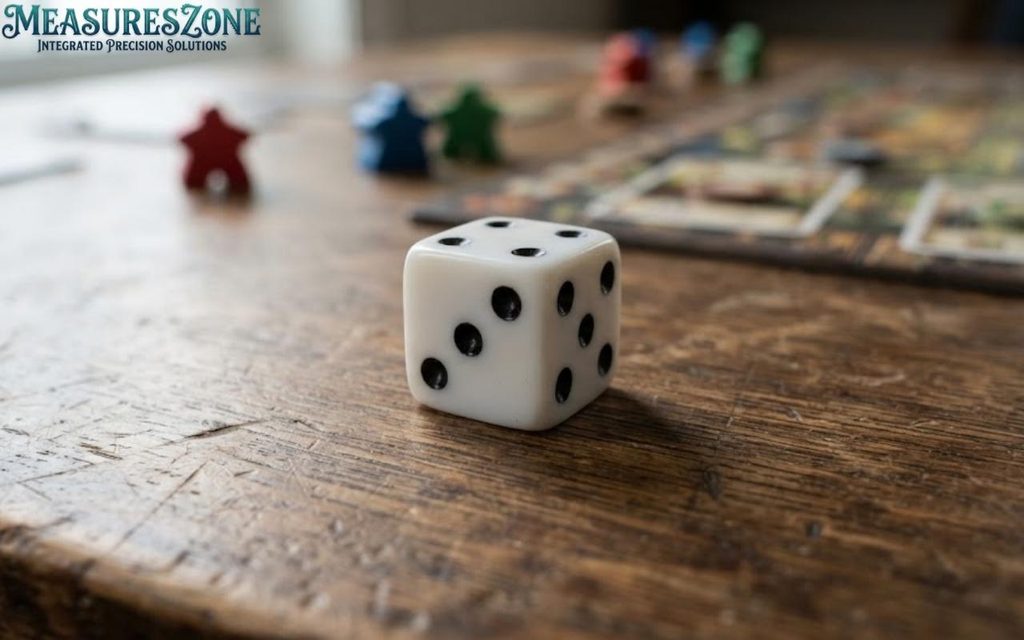
Here is a fact that surprises people. The standard six-sided die has an edge of 16 mm, or about 0.63 inches. That is well under an inch.
The game dice size changes with the game. Jumbo dice measure about 25 mm, which equals one inch. These are common in party games and classroom kits.
For this cube measurement, count carefully. The dice dimensions on a typical board game accessory will not match one inch. Only the oversized versions do. Check the dice width before you call it.
Compare Gatorade bottle sizes and dimensions.
8. Postage Stamp Side
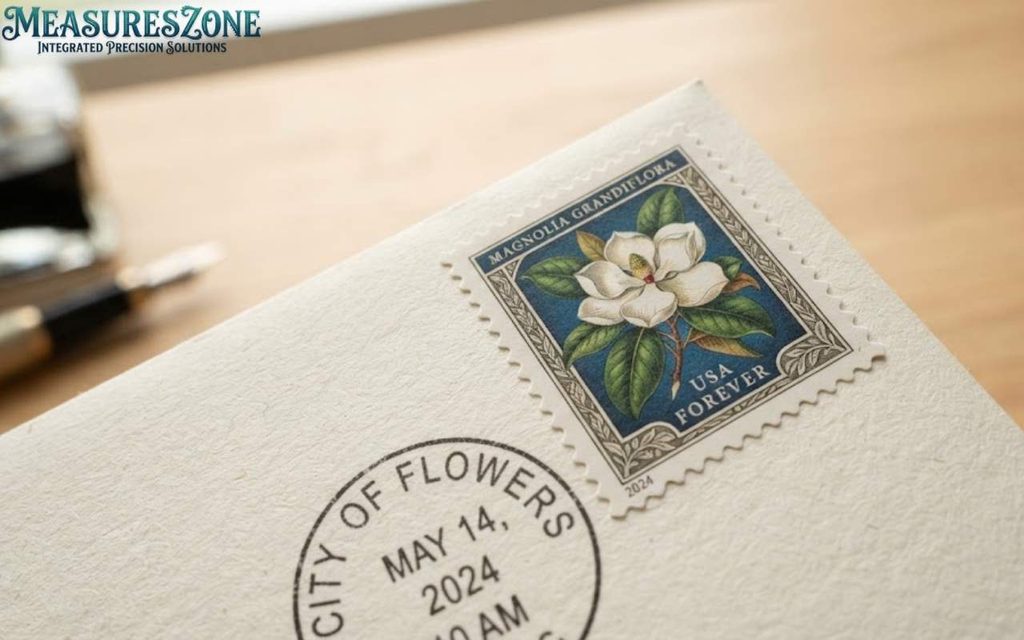
Many stamp dimensions fall close to an inch. A square stamp from the US postal service often measures within about 0.1 inches of one inch on a side. Designs differ though.
Still, the postage size gives you a neat paper measurement to keep around. The stamp width is easy to check since stamps sit flat. Place one on a ruler and read the edge. Be careful with this one. Commemorative and definitive stamps do not share a single size. Always measure the stamp in your hand.
9. Size 40 Button
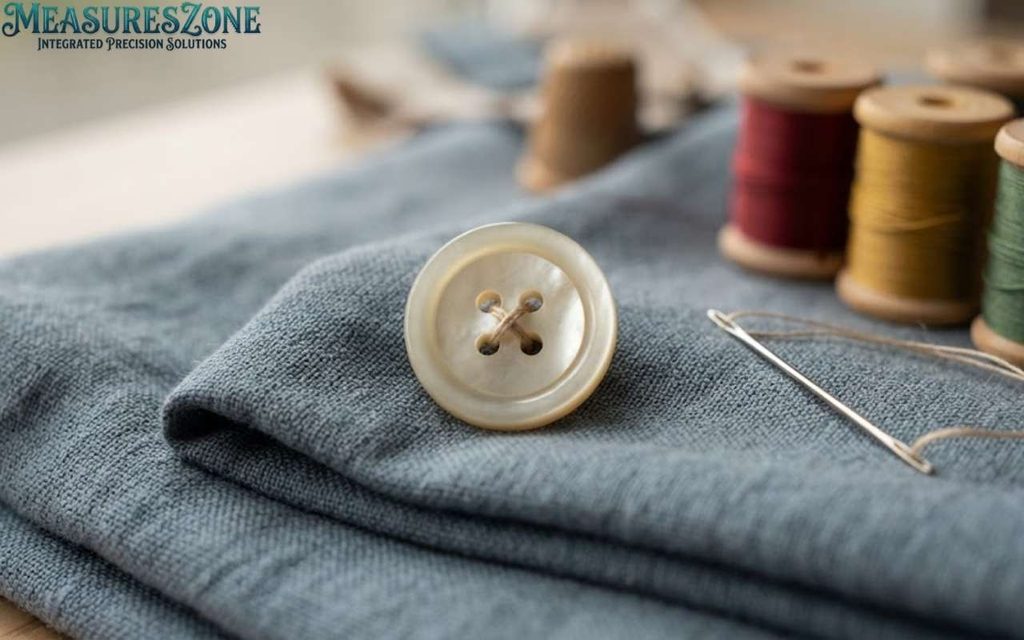
Button sizes use a unit called the ligne. One ligne equals 1/40 of an inch. So a size 40 button measures exactly 1 inch, or 25.4 mm.
This is one of the few one-inch items that hits the number on the nose. Crafters and tailors rely on it daily, and a jar of buttons at home becomes a ready set of inch comparisons.
10. C Battery Diameter
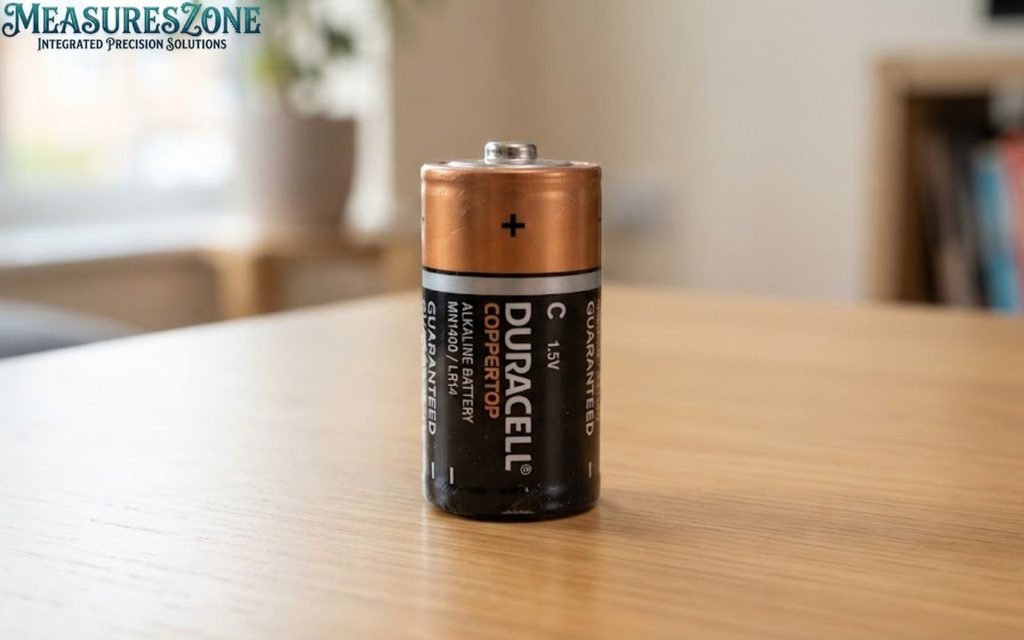
A C battery measures about 26.2 mm across, or 1.03 inches. It is also 50 mm long. The wide cylinder makes a great one-inch comparison when you cannot find a coin.
Skip the AA battery for this job. It measures only about 14.5 mm wide, or 0.57 inches. Grab the fatter cell from the drawer instead.
11. SD Card Width
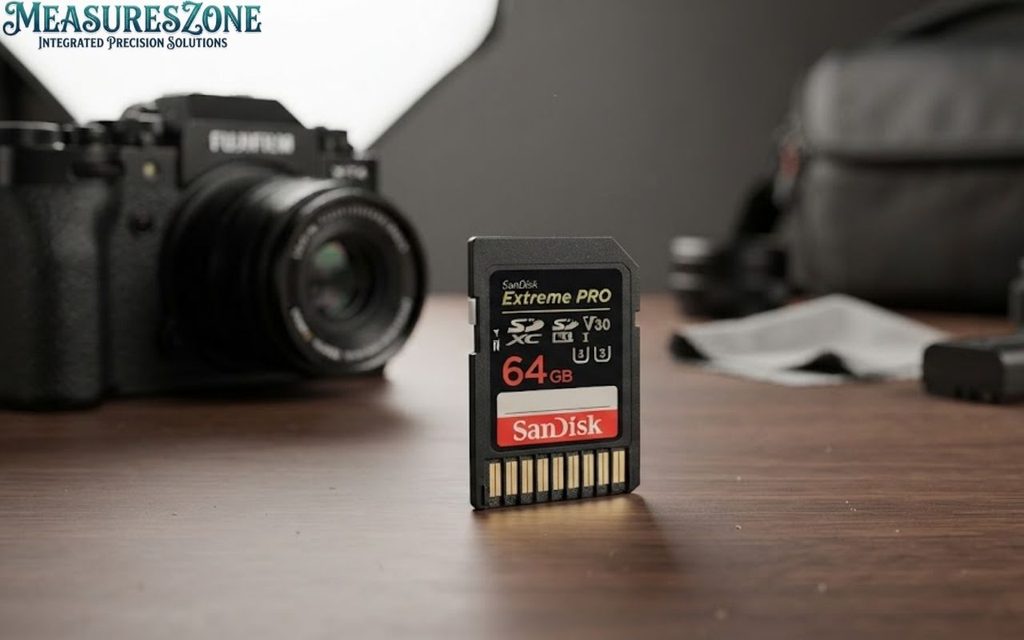
A full-size SD card is 24 mm wide, which is 0.94 inches. It is also 32 mm long and 2.1 mm thick. That sits just under an inch.
If you carry a camera, this is a handy small length reference. The card’s rigid edges also make it easy to line up against a page.
12. 1 Inch Pin-Back Button
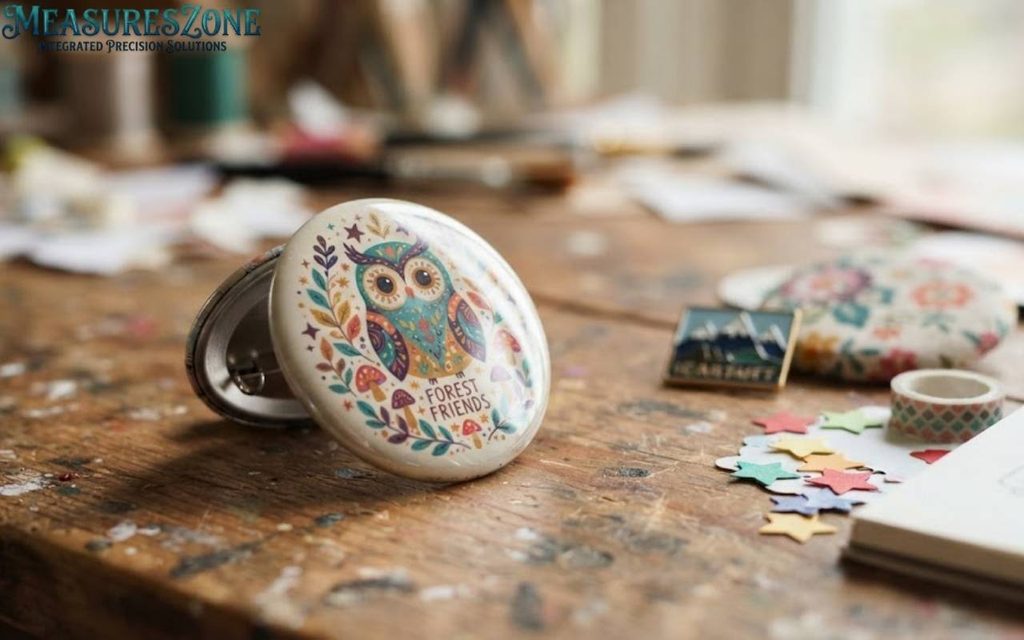
Badge makers sell pin-back buttons in set sizes. The 1 inch version (25 mm) ranks among the most common. It makes a clean inch width reference for crafts and events.
Because the badge is round and flat, you can set it on a photo or a sketch and see the scale at a glance. It is an easy tool for sizing logos and stickers.
Discover what 12 cm looks like with common objects.
How to Measure 1 Inch Without a Ruler
Sometimes no ruler is nearby. That is fine. These ruler-free measurement tricks use household measuring tools you already own.
Try a Credit Card
A standard credit card measures 2.125 inches on its short side. Divide that in half and you land near 1.06 inches. This finger measurement alternative works when your hands are full.
Fold a Dollar Bill
A US bill is about 2.61 inches wide. Fold it into sections and you get rough inch increments. It is not precise. Even so, it works in a pinch.
Fold a Sticky Note in Thirds
A standard 3 × 3-inch sticky note can be folded into three equal sections, each measuring 1 inch. Line up the edges, crease the folds, and use the strip as a quick measuring tool.
Check the pad size first, as some brands sell different dimensions.
Common Mistakes When You Measure 1 Inch
Even a simple measurement guide has traps. Watch for these:
- Mixing nominal and actual sizes. A “1×4” board is really 0.75 inches thick.
- Trusting body parts blindly. Hands vary a lot from person to person.
- Using worn items. A scratched coin or bent paperclip skews the result.
- Forgetting brand differences. Clips, stamps, and USB drives change by maker.
A little care turns a rough guess into a reliable visual comparison.
See what 250 ml looks like in everyday objects.
Frequently Asked Questions About 1 Inch
Still curious about the inch? These quick answers cover the questions people ask most.
What is the symbol for an inch?
Writers use the abbreviation “in” or a double prime mark (“) after the number. So 1 inch appears as 1 in or 1”. Builders and engineers favor the double prime on drawings.
How Much Space Does 1 Cubic Inch Hold?
One cubic inch holds approximately 16.39 milliliters. This measurement helps compare small container capacities and internal volumes.
How Many 1-Inch Squares Fit in a Square Foot?
A square foot contains 144 square inches. Therefore, you can fit 144 individual 1-inch squares inside a square-foot area.
How Many Pixels Are in 1 Inch?
At 96 pixels per inch (PPI), one inch equals 96 pixels on a standard digital display. The actual pixel count depends on the screen’s resolution settings.
What Is Half of 1 Inch?
Half an inch equals 0.5 inches or 12.7 millimeters. It is a useful measurement when working with small gaps, spacing, and craft projects.
Conclusion
An inch is small. Yet it hides in plain sight. A quarter, a bottle cap, a button, and a battery all give you a solid length reference with zero effort.
Start with the exact matches such as the size 40 button and the 1 inch pin-back. Then lean on the close ones like the quarter and the C battery. Treat the stamp, USB stick, and dice as items to verify. So grab a ruler. Test one item from the list. You will never look at everyday objects the same way again.
Quiz: How Well Do You Know 1 Inch?
Test your knowledge with these quick 1-inch measurement questions.
How many millimeters are in exactly 1 inch?
A) 24.0 mm
B) 25.4 mm
C) 26.5 mm
D) 30.0 mm
What is the diameter of a US quarter?
A) 0.75 inches
B) 0.835 inches
C) 0.955 inches
D) 1.205 inches
Which button size equals exactly 1 inch?
A) Size 20
B) Size 30
C) Size 40
D) Size 60
About how wide is a standard six-sided die?
A) 0.63 inches
B) 1 inch
C) 1.5 inches
D) 2 inches
Which battery has a diameter close to 1 inch?
A) AAA
B) AA
C) C
D) 9V
Answers
1. B) 25.4 mm
2. C) 0.955 inches
3. C) Size 40
4. A) 0.63 inches
5. C) C
See what 100 ml looks like in everyday life.

David John is an experienced blogger and the admin of the Measurements category at Measures Zone. He shares accurate and easy to understand measurement guides for readers.