

Ever tried to picture 4 inches in your head and drawn a total blank? You are not alone. Four inches is one of those sizes that sounds simple until someone actually asks you to point at something that is exactly that long.
This guide fixes that problem for good. By the end, you will know exactly what 4 inches looks like, which everyday objects match it, and how to measure 4 inches without a ruler when you are in a pinch.
How Long Is 4 Inches, Exactly?
| Unit | Measurement |
|---|---|
| Inches | 4 in |
| Centimeters | 10.16 cm |
| Millimeters | 101.6 mm |
| Feet | 0.333 ft |
| Yards | 0.111 yd |
That is the technical answer, and it is a useful one to have memorized. But numbers on a page do not always translate into a mental picture, which is exactly why size comparison matters so much when you are trying to estimate length on the fly.
When you connect a measurement to a familiar object, it sticks in a way that a raw number never does. So let’s get visual.
Everyday Objects That Are About 4 Inches Long
Below are common everyday objects that measure close to four inches. Some are exact, while others reflect typical sizes, with accuracy noted throughout.
1. A Standard 4-Inch Ceramic Tile
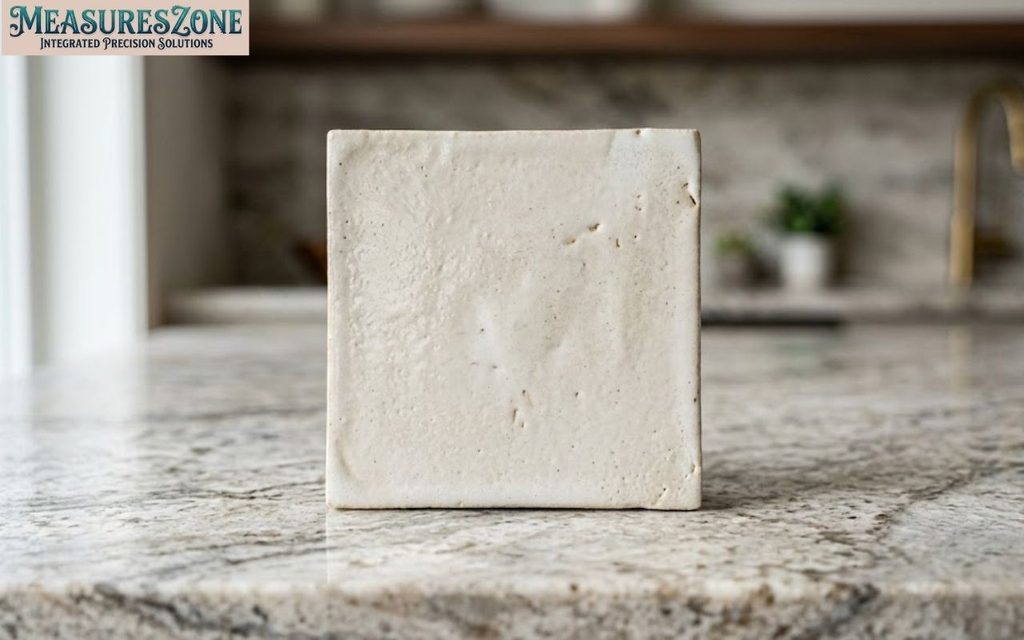
Ceramic tile is sold by the inch, and the 4×4 inch tile is one of the most widely available sizes in home improvement stores across the country.
It is a genuine, industry standard measurement, not a rough approximation, which makes it one of the most reliable 4 inch objects you can reference when you need real precision.
2. A 4×4 Post-it Super Sticky Note
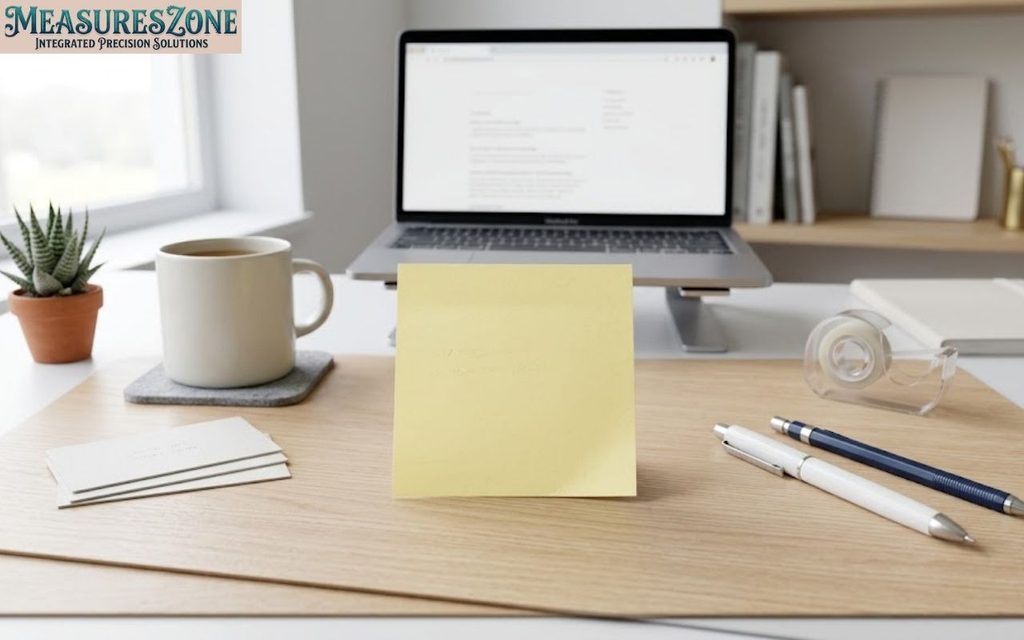
Sticky notes come in several sizes, but the 4×4 inch square is a real, commonly sold format found in most office supply aisles. If you have got one stuck to your monitor right now, you are already looking directly at a four inch reference without realizing it.
Fun fact: It almost didn’t happen. It came from a “failed” super weak adhesive that sat around for years before anyone realized it was actually useful.
3. A Drink Coaster
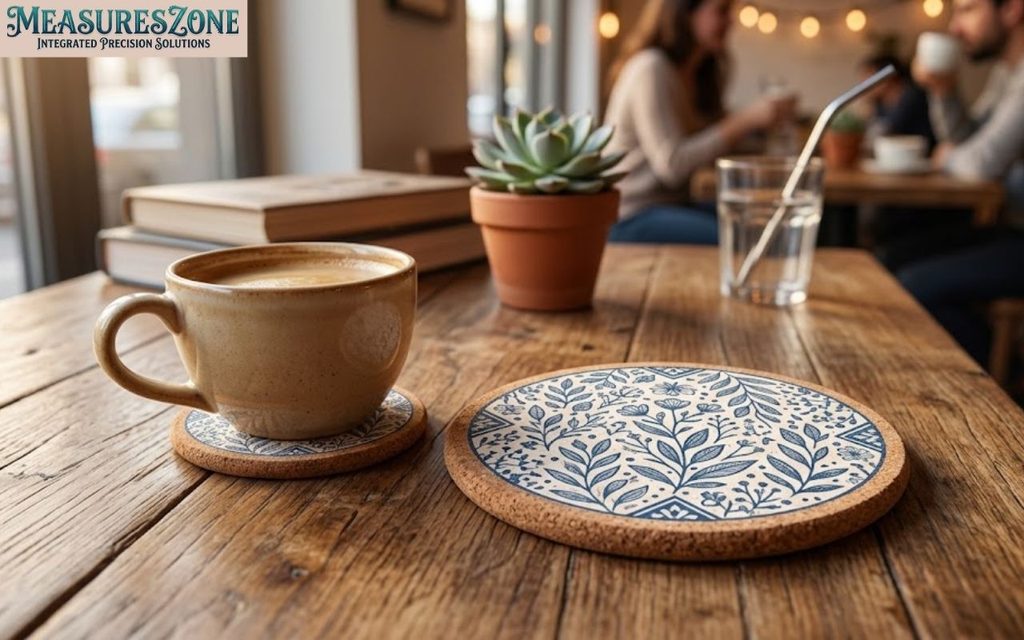
Most square or round coasters land somewhere close to 4 inches across, whether they are cork, stone, or fabric. It is not a fixed industry standard the way tile is, but it is consistent enough across brands that it works well as a fast, real-world measurement check.
4. A Mini Tart or Cake Pan

Baking aisles sell 4-inch mini tart and cake molds specifically labeled by that exact measurement. If you bake even occasionally, there is a good chance you already own one of these 4-inch items without ever thinking of it as a measuring tool.
5. A Standard A19 Light Bulb

The common household A19 bulb, the classic pear-shaped bulb found in most table lamps, measures about 4.3 inches from base to tip. It is close enough to four inches that it works fine as a fast visual anchor, even though it is not a perfect match on paper.
6. A Bakery Style Hamburger Bun

Most sandwich shop and bakery buns run close to four inches in diameter, give or take depending on the recipe.
It is not a locked measurement, since bun size genuinely varies by brand and bakery, but it is a familiar everyday item almost everyone can picture instantly.
Learn about tiny house sizes and dimensions.
7. A 4×6 Index Card
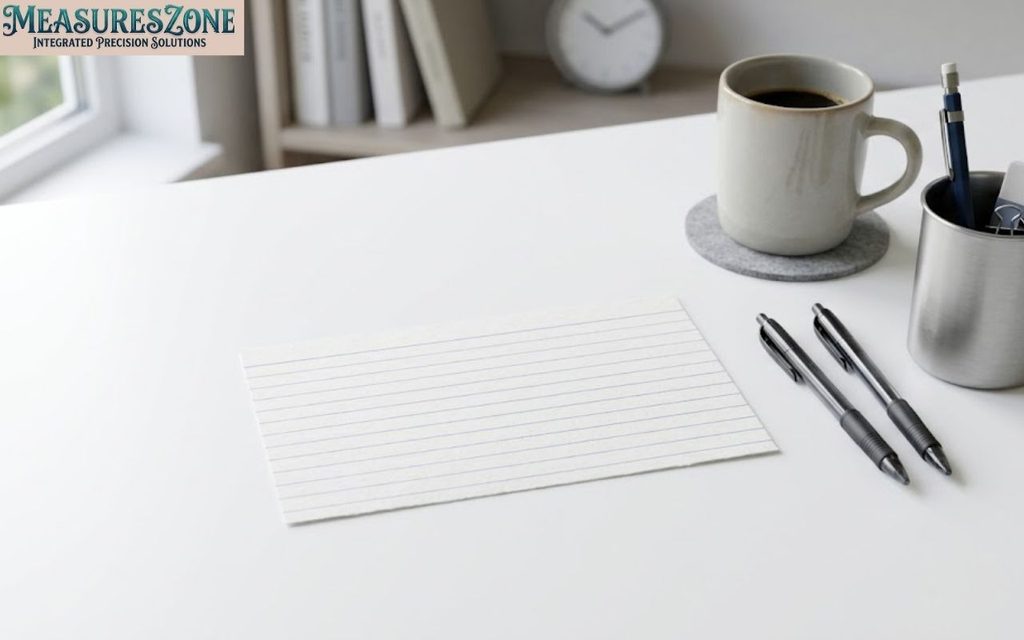
Here is one that is exact, no hedging needed. Standard index cards measure 4 inches by 6 inches, and the short edge is precisely the length we are talking about.
This is one of the most dependable 4 inch measurement tools sitting in most desk drawers or backpacks right now.
8. A Number 10 Business Envelope

A standard #10 envelope, the kind used for bills and formal letters, measures 4.125 inches tall. It is a fraction over four inches, but close enough to serve as a solid everyday comparison when you are estimating on the fly.
9. An iPhone SE or iPhone 5 Screen

Apple’s iPhone SE, first generation, and the older iPhone 5 both feature a 4-inch diagonal screen, a spec Apple published directly in its own technical documentation. Anyone who remembers using one of those phones already has a built-in, muscle memory reference point for this exact size.
Fun fact: The iPhone 5 was the first iPhone to grow to a 4-inch screen. Every model before it topped out at 3.5 inches.
10. A Golf Tee

Long golf tees, the kind made specifically for drivers off the tee box, typically measure around 4 inches. Standard tees run noticeably shorter, so this reference applies specifically to the longer variety sold for full swings.
Fun fact: It was patented back in 1899 by a dentist, though he never bothered to sell it commercially.
11. A Standard Nursery Pot
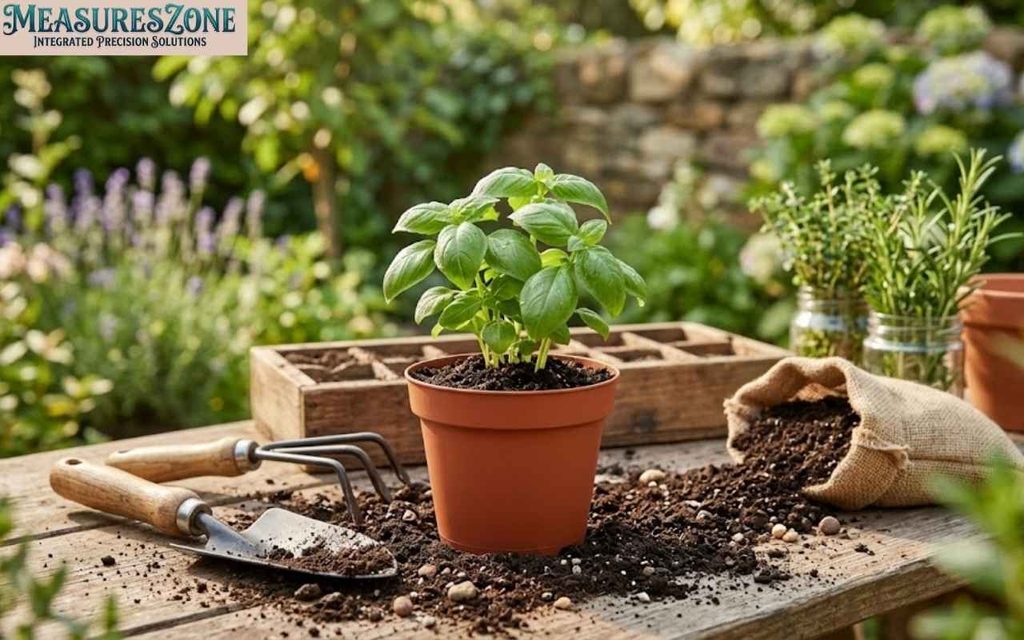
In gardening, the “4-inch pot” is an actual industry sizing term, referring to the diameter measured across the top of the container. If you have ever bought a small plant from a garden centre, there is a strong chance the tag said exactly that number.
Visualize 18 inches with everyday objects.
12. A Standard 4-Inch Paint Brush
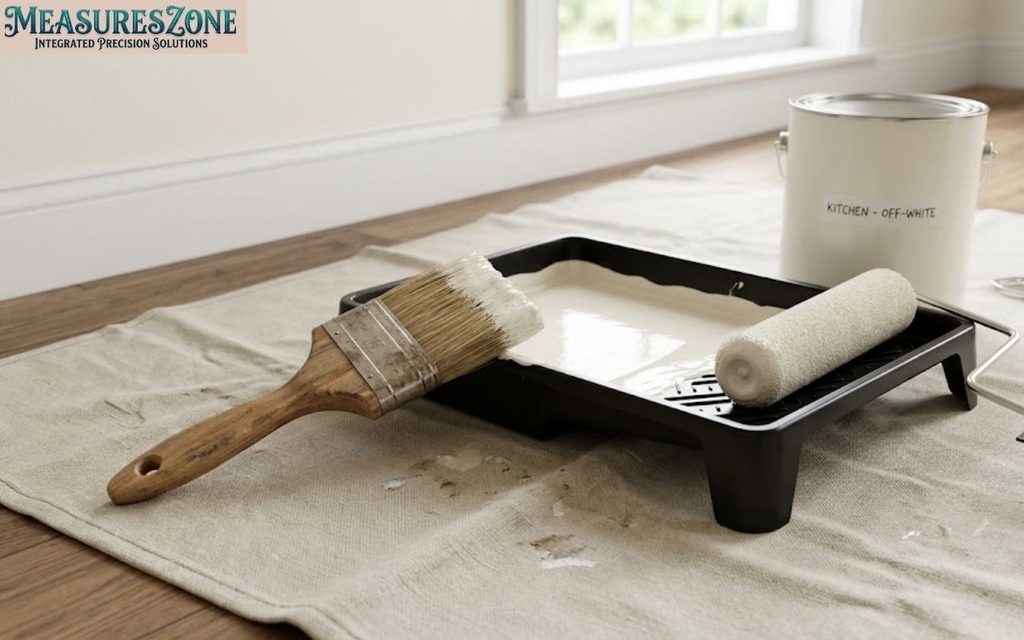
Hardware stores sell wall brushes by width, and the 4-inch flat brush is one of the most common sizes on the shelf, used for cutting in large wall sections and covering broad surfaces fast.
It is an exact, labeled measurement rather than a rough estimate, which makes it another dependable size reference for anyone tackling a paint project.
13. A 4-Inch Deck Screw
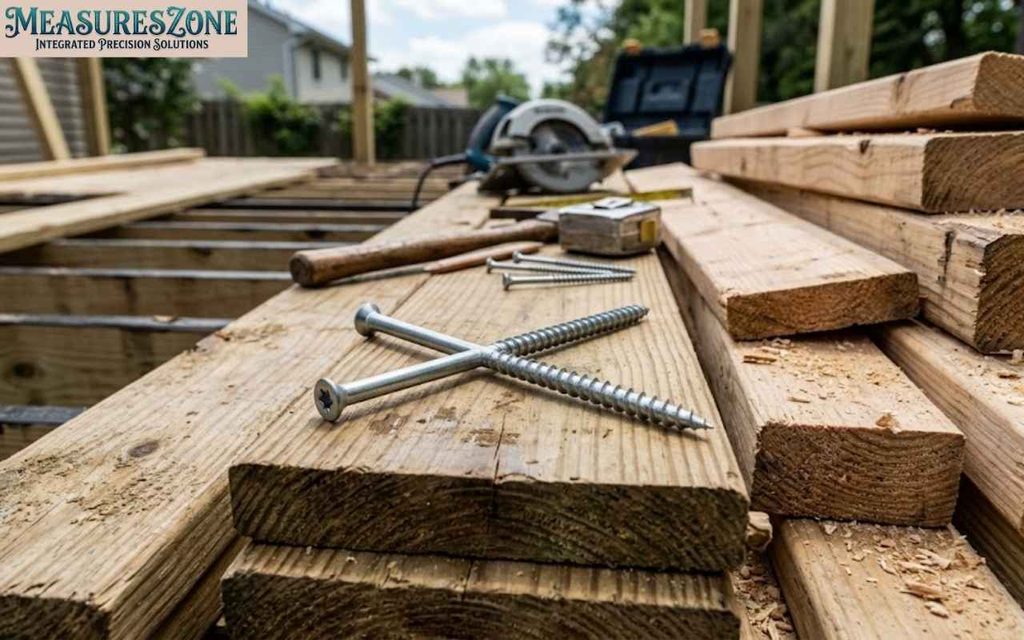
Construction and hardware stores stock screws by exact length, and 4-inch deck screws are a standard size used for thicker lumber and heavy duty framing.
If you have ever built a deck or a raised garden bed, there is a solid chance you have held one of these four inch items in your hand without clocking the size.
14. A Compact Cassette Tape
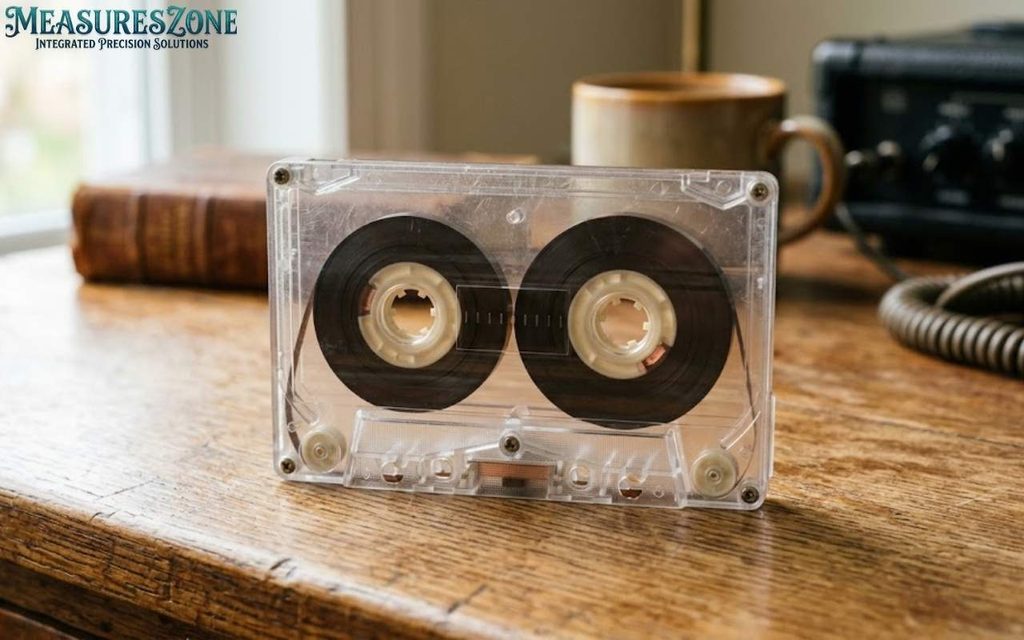
If you are old enough to remember mixtapes, you will recognize this one right away. A standard compact cassette shell measures 100 millimetres long, which works out to 3.94 inches, just a hair under four.
It’s one of the more nostalgic entries on this list, but the size comes from an actual manufacturing spec, not a guess.
Fun fact: It got its size from an engineer who carried a wooden block in his pocket for months while figuring out the right dimensions.
15. A Mass-Market Paperback Book

Grab any standard paperback novel off a shelf and check the width. The common mass-market trim size used by most publishers runs about 4.25 inches wide. It’s not an exact match, but it’s close enough that a stack of paperbacks makes a decent, everyday visual reference for this length.
16. A 4-Inch Pillar Candle
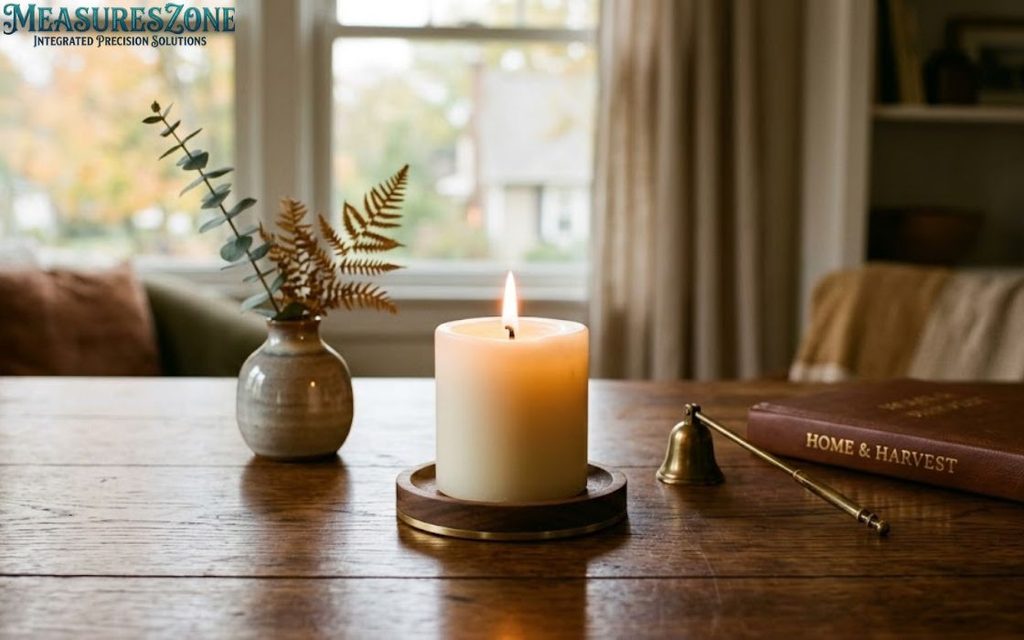
Candle makers sell pillar candles by labeled diameter, and “4-inch” is one of the most common sizes you’ll find on store shelves. Unlike a coaster or a bun, this one is an actual printed spec on the packaging, which makes it one of the more dependable 4 inch references for home decor shoppers.
17. A 4-Inch Round Cookie Cutter

Baking supply stores sell cookie cutters by diameter, and the 4-inch round cutter is a standard size stocked in most kitchen sections. If you’ve ever made sugar cookies from scratch, there’s a decent chance you’ve held one of these without ever noticing the label.
Fun fact: Shaped cookie cutters have been around since the 1700s, often tied to holiday baking traditions in Europe.
18. A 4-Inch Paring Knife

Paring knives, the small blades used for peeling fruit and detail work, commonly come with a 4-inch blade length. It’s a genuine, widely sold knife specification rather than a rough approximation, which makes it a solid everyday item for anyone who spends time in the kitchen.
See how long 7 inches is in real life.
19. A Standard Playing Card

A standard playing card measures 3.5 inches long, so it is just half an inch shorter than 4 inches. It gives you a familiar reference that is easy to find at home and can help you visually estimate 4 inches.
Why 4 Inches Matters in Daily Life
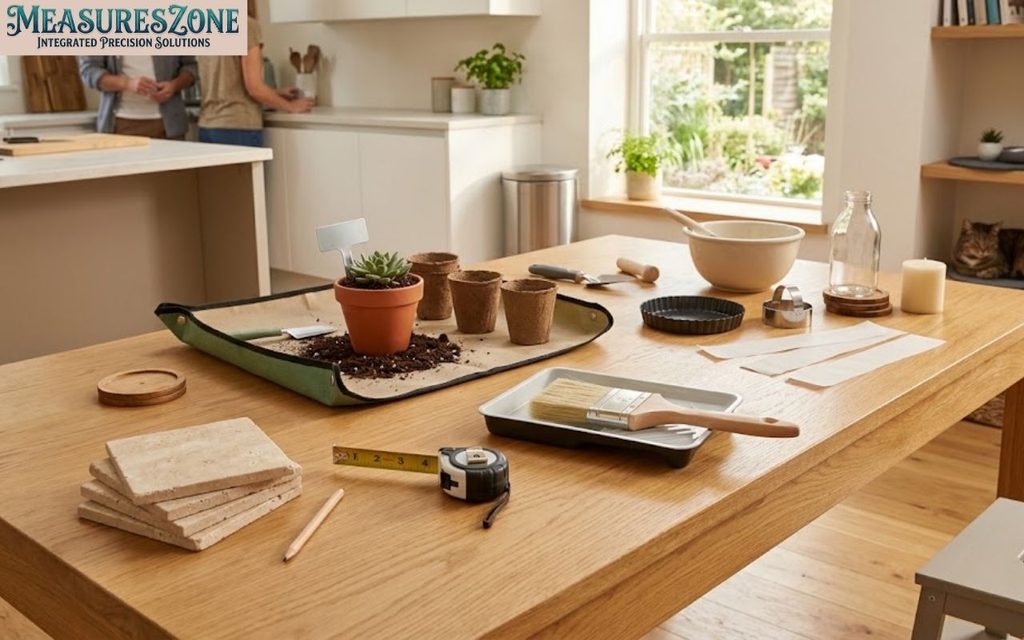
This is not just trivia to impress people at parties. Understanding what a 4-inch length looks like solves real, practical problems you run into more often than you would guess.
Online shopping. Furniture legs, phone cases, and small storage bins often list dimensions without a photo for scale. Knowing that 4 inches is roughly the width of an index card helps you judge fit before you ever click “buy,” which means fewer returns and less wasted time.
DIY and home projects. Tile spacing, shelf clearance, and trim work all depend on quick, accurate estimation. A solid 4-inch reference in your head speeds up small decisions on-site, without needing to dig a tape measure out of your toolbox every five minutes.
Gardening. Pot sizing genuinely runs on inch measurements, so recognizing a 4-inch pot at a glance saves an extra trip back to check the tag every time you are browsing a nursery.
Cooking and baking. Pan and mold sizes are almost always labeled by inch, and a 4-inch mini pan produces a noticeably different result than a 6-inch one, both in bake time and portion size.
Everyday estimation. Sometimes you just need a fast gut check, whether you are hanging a picture frame, packing a box, or figuring out if something will actually fit in a drawer.
Case Study: Can You Picture 4 Inches?

Imagine a shopper browsing online for a small planter listed as 4 inches wide. The product photos look helpful, but without a familiar reference, it’s still difficult to tell how much space the planter will actually take up. The shopper wants to make sure it will fit nicely on a desk or windowsill before placing the order.
The Problem
The shopper understands that 4 inches is a measurement, but the number alone does not give them a clear picture. A product can look larger or smaller in photos depending on the camera angle and surrounding objects, making it easy to misjudge its actual size.
The Solution
Instead of guessing, the shopper compares the measurement with familiar objects nearby, such as a standard coaster or a small nursery pot. These everyday references provide a quick visual anchor and make the size much easier to imagine.
The Outcome
With a better sense of the planter’s actual size, the shopper can decide whether it will fit the intended space. This simple comparison turns an abstract measurement into something practical, helping avoid confusion and unexpected surprises when the order arrives.
Visualize 20 cm with everyday objects.
Frequently Asked Questions About 4 Inches
Still have questions about 4 inches? These quick FAQs cover a few useful details to help you understand this measurement better.
Is 4 inches considered big or small for a smartphone screen today?
By modern standards, 4 inches is small. Most current smartphones have screens around 6 to 6.9 inches diagonally, making a 4-inch screen feel compact and more typical of older models.
Is there anything in nature that is about 4 inches long?
A monarch butterfly’s wingspan can reach about 4 inches, while some mature oak leaves are also around that size. Both offer easy natural references for 4 inches.
How does 4 inches compare to a standard pencil?
An unsharpened pencil is about 7.5 inches long, so 4 inches is roughly half its length. Use the midpoint as a quick size reference.
Are 4 Inches Common for Baby Shoes?
Newborn baby shoes are often close to 4 inches long, making them an overlooked everyday example of this measurement.
Can you measure 4 inches without a ruler?
Yes. You can estimate it by comparing the length with familiar everyday objects, such as a credit card, sticky note, or small household item
Final Thought
4 inches is not a complicated measurement, but it’s easy to underestimate how often it shows up around you. From ceramic tiles and index cards to the screen of an older iPhone, objects measuring around 4 inches are more common than you might expect.
Once you have a few accurate references in mind, whether it’s the AA battery trick or a trusty index card in your desk drawer, you was not be stuck guessing again. That is the real power of a visual guide: it turns an abstract number into something you can see, touch, and trust whenever you need it.
Quiz: Can You Picture 4 Inches?
Test your ability to recognize 4 inches using familiar everyday objects. See how well you can estimate the size without a ruler.
1. What does 4 inches equal in centimetres?
A) 8.16 cm
B) 10.16 cm
C) 12.7 cm
D) 15.24 cm
2. Which everyday item measures exactly 4 inches on its short edge?
A) A credit card
B) A dollar bill
C) A 4×6 index card
D) A playing card
3. What is the actual length of a standard credit card?
A) 4 inches
B) 3.37 inches
C) 2.5 inches
D) 5 inches
4. How long is a standard #10 business envelope?
A) 3.5 inches
B) 4.125 inches
C) 5 inches
D) 6.14 inches
5. In gardening, what does a “4-inch pot” refer to?
A) The height of the pot
B) The diameter across the top of the pot
C) The depth of the soil
D) The weight capacity
Answers:
1. B) 10.16 cm
2. C) A 4×6 index card
3. B) 3.37 inches
4. B) 4.125 inches
5. B) The diameter across the top of the pot
Visualize 9 inches with everyday objects.

David John is an experienced blogger and the admin of the Measurements category at Measures Zone. He shares accurate and easy to understand measurement guides for readers.