

20 cm does not sound like much until you try to picture it in your head. Is it as long as your hand? Shorter than a ruler? About the size of a pizza? You are not wrong on any of those guesses, and that is exactly why this measurement trips people up so often.
This guide breaks down 20 cm in every unit you might need, then walks through real, verified objects that are actually this size (not the padded, half-accurate lists you will find elsewhere). By the end, you will know exactly what 20 centimeters looks like without ever picking up a ruler.
20 cm in Every Unit You would Actually Search For
Let’s get the numbers out of the way first, since most people landing on this page just want a fast, reliable conversion.
| Unit | Measurement |
|---|---|
| Millimeters | 200 mm |
| Centimeters | 20 cm |
| Meters | 0.2 meters |
| Inches | 7.87 inches |
| Feet | 0.656 feet |
| Yards | 0.219 yards |
If you are cutting wood, sizing a frame, or doing anything where precision matters, that 0.13-inch gap can throw off a project.
Quick tip: If you ever need a fast mental shortcut, remember that 1 inch equals 2.54 cm. Divide 20 by 2.54, and you will land on 7.87 inches every time.
Visualize 9 inches with everyday objects.
20 cm Big: What Actually Counts as This Size
Before jumping into the object list, it helps to define what “20 cm big” really means, because a lot of comparison articles measure the wrong dimension of an object and call it a day. A book might be 20 cm tall but only 13 cm wide. A bottle might be twenty cm around its shoulder but 25 cm from base to cap. Every entry below specifies exactly which dimension hits the 20 cm mark, so you are not left guessing.
Everyday Things That Are Genuinely 20 cm
1. iPad Mini

The iPad Mini (6th generation) measures 19.54 cm tall, which puts it just a hair under the 20 cm mark, close enough that most people round it to twenty cm without a second thought. If you own one, or have used one at a coffee shop or in a friend’s bag, you already have a mental reference for this length sitting in your pocket.
2. Chef’s Knife Blade

An 8-inch chef’s knife, the standard size found in most professional and home kitchens, has a blade that measures 20.3 cm. This is one of the most reliable everyday comparisons for 20 cm, since knife blade lengths are manufactured to a tight standard across most brands.
Next time you are chopping vegetables, glance at the blade. That is your twenty cm reference, right there in your hand.
3. Standard House Brick

A standard house brick, at least in UK and much of European construction, runs 21.5 cm (215 mm) long, making it one of the closest real-world matches to 20 cm you will find in the built environment.
Construction has used this brick length for well over a century because it divides evenly into standard wall and doorway measurements. If you have ever walked past a brick wall, you have walked past dozens of near-perfect twenty cm reference points.
See how tall 69 inches is in real life.
4. Personal Pizza

A personal pizza, sometimes labelled an individual pizza on restaurant menus, typically measures 20 cm (8 inches) in diameter. This size shows up constantly on delivery menus and frozen pizza packaging because it is designed to feed one person without leftovers.
Here is the detail most articles miss: since the radius is half the diameter, that puts the pizza’s radius at exactly 10 cm, a handy number if you ever need to check a pizza box measurement against a tape measure.
5. Standard Paperback Book

A standard paperback book, specifically the B-format size common in the UK and much of Europe, measures 19.8 cm tall, essentially 20 cm once you account for normal printing tolerances.
American mass-market paperbacks run a bit shorter, closer to 17 to 18 cm, so this comparison works best with trade paperback or B-format editions. Next time you pick up a paperback novel off a shelf, check the height against this figure.
6. Unsharpened HB Pencil
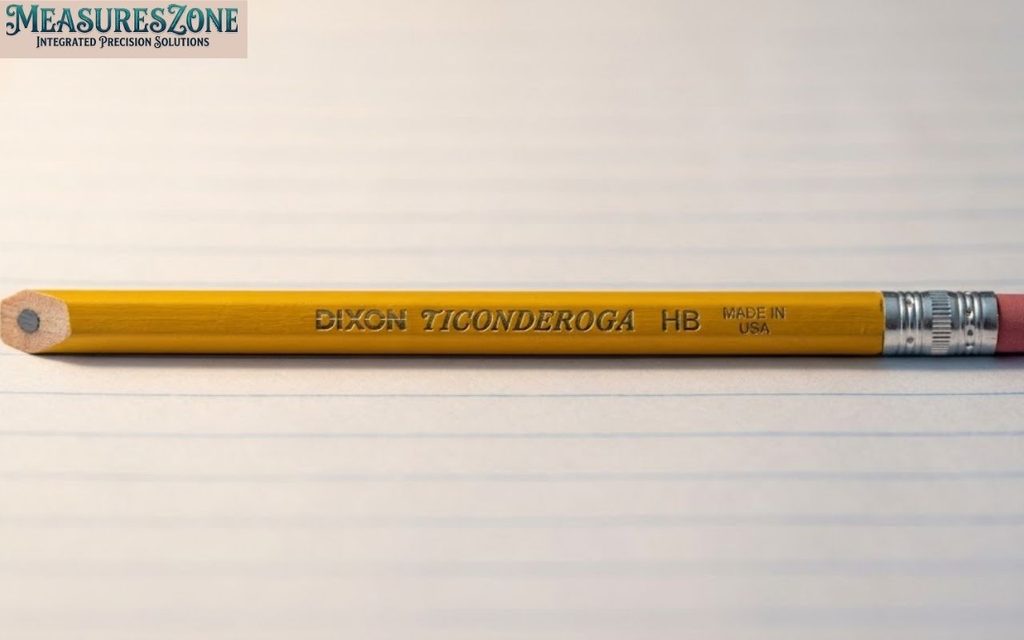
A brand-new, unsharpened HB pencil measures close to 19 cm, just under the 20 cm mark before any sharpening shaves length off the tip.
In the US, this is often called a standard No. 2 pencil, since HB and No. 2 refer to the same graphite hardness under different naming systems (Europe uses letter grades, the US uses numbers). Either way, a full-length, never-sharpened pencil sitting in a drawer gives you a near-exact twenty cm stand-in.
7. Tennis Ball Circumference
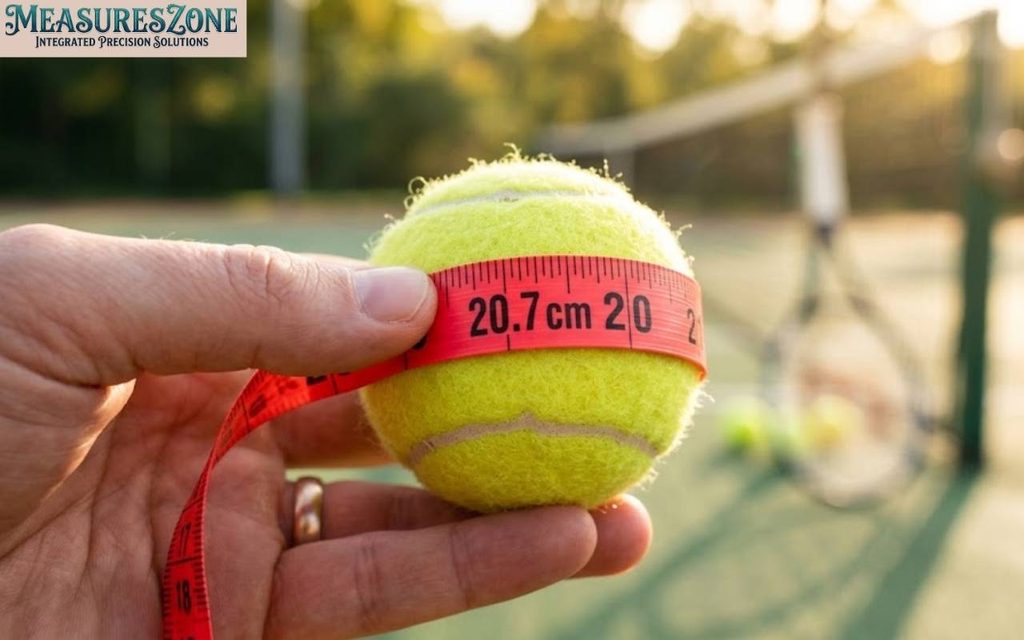
A regulation tennis ball has a circumference of roughly 20 to 20.7 cm, according to official ITF specifications. This is a genuinely accurate comparison, but it comes with an important caveat: circumference is the distance around the ball, not across it.
The ball’s actual diameter is only about 6.7 cm. If you are picturing a straight twenty cm line, a tennis ball’s width will not get you there. Wrap a string around one, though, and you are right on the mark.
8. DL Envelope
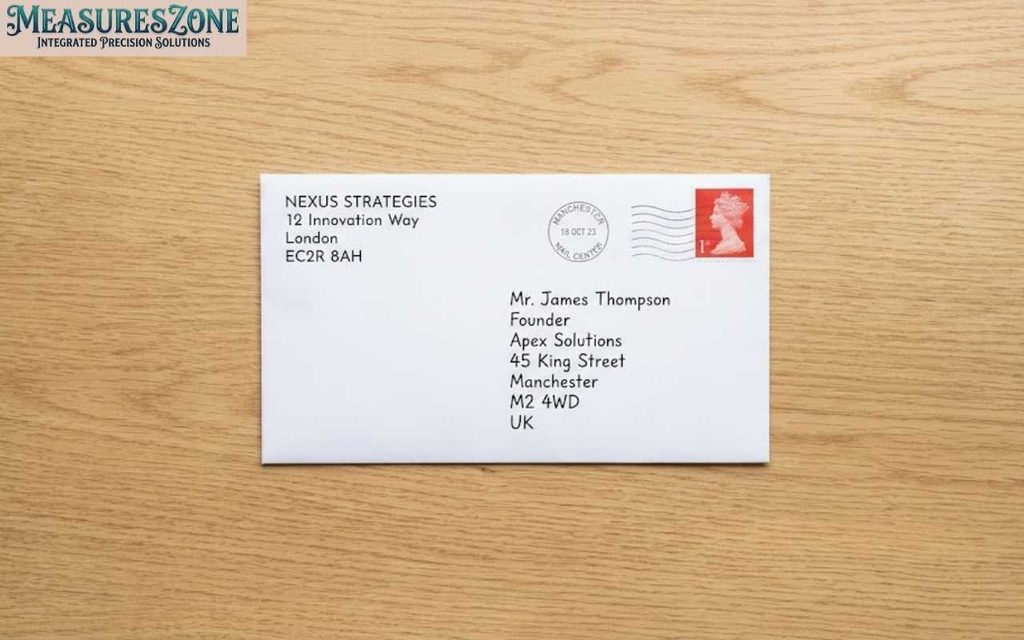
A DL envelope, the standard size used for business letters and formal mail across the UK and Europe, measures 22 cm long, close to 20 cm and often mistaken for an exact match.
It is worth noting upfront that this one runs slightly over rather than under, so treat it as a “close enough” reference rather than a precise one. Still, if you have got a stack of envelopes on your desk, you are holding something within spitting distance of twenty cm.
Learn about Chicago’s size, geography, and history.
9. Wooden Cooking Spoon

A standard wooden cooking spoon, the kind found in most kitchen utensil drawers, typically measures between 28 and 30 cm overall, with the spoon’s bowl-to-neck section alone often landing close to 20 cm depending on the design.
Because wooden spoons vary more than manufactured items like knives or pencils, treat this as a rough visual guide rather than an exact figure, useful for a quick mental picture, not for precise measuring.
10. 20-Ounce Plastic Soda Bottle

A 20-ounce plastic soda bottle (591 ml), the size sold in most vending machines and convenience store coolers, stands close to twenty cm tall depending on the brand and cap style. This is one of the most widely recognized size references in everyday life, since nearly everyone has held one.
Next time you grab a soda from a machine, you are holding a near-exact twenty cm object.
11. Standard Tissue Box
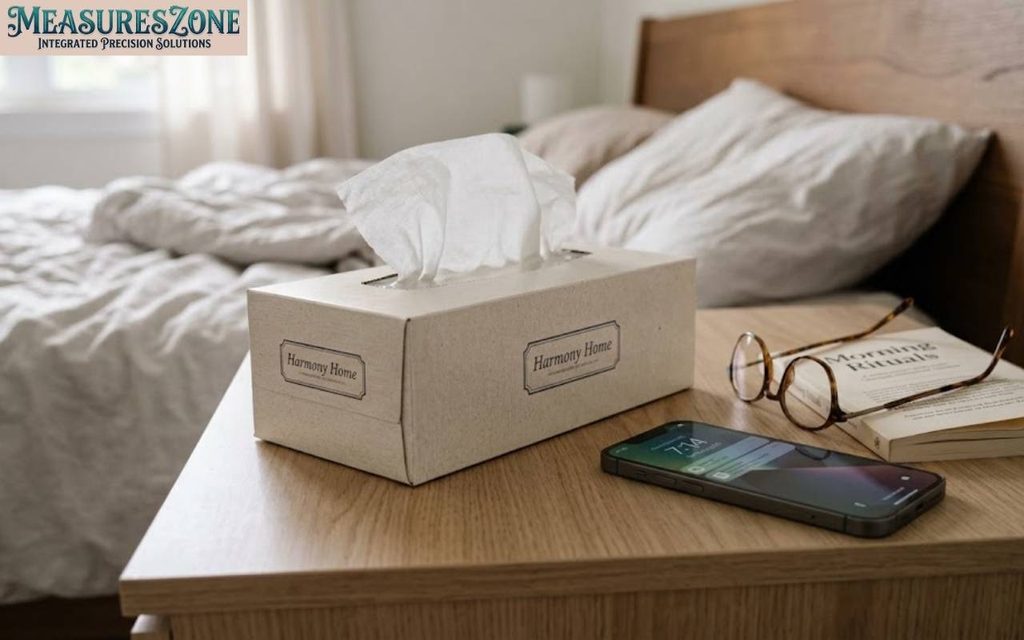
A standard tissue box (the classic rectangular cardboard kind, not the cube style) usually measures close to 20 to 23 cm along its longer edge, depending on brand and tissue count.
It is a common household item that most people already have sitting on a shelf or nightstand, which makes it a genuinely useful mental reference even though sizes vary slightly between manufacturers.
12. 8-Inch Frying Pan

An 8-inch frying pan, a common small skillet size for cooking eggs or single portions, measures 20.32 cm across the cooking surface. Like the chef’s knife, this is one of the more reliable comparisons on this list, since pan sizes are named directly after their diameter in inches, and 8 inches converts almost exactly to 20 cm.
13. Wine Bottle Shoulder Height

On a standard 750 ml Bordeaux-style wine bottle, the distance from the base to the shoulder (where the bottle body narrows into the neck) measures roughly 20 cm, though this varies by bottle style.
Burgundy-style bottles, which lack a pronounced shoulder, will not give you the same reference point, so this comparison works best with the straight-sided Bordeaux shape you will find on most red wine bottles.
Learn about Florida’s size, geography, and more.
14. Medium Banana

Similarly, a medium banana is frequently listed as 20 cm long, but USDA measurement standards actually put a medium banana closer to 18 cm, with only larger bananas approaching or exceeding twenty cm. If you want a genuinely accurate fruit-based comparison, reach for a larger banana rather than an average one.
15. Standard Dinner Fork
You will see plenty of articles claim a standard dinner fork measures a clean 20 cm, but most dinner forks actually run closer to 18 to 19 cm, with only larger or specialty flatware sets reaching the full twenty cm mark. It is a near-miss rather than an exact match, worth including here specifically to correct a comparison that gets repeated inaccurately across the web.
No Ruler? Here is What to Use Instead
Not every situation calls for digging through a drawer to find a tape measure. These everyday stand-ins get you close enough for quick, casual estimates:
- Two smartphones laid end to end, since most phones run 7 to 8 cm wide
- Three credit cards laid end to end, since a standard card measures 8.56 cm long
- A quarter sheet of A4 paper, since A4’s short edge measures 21 cm
- An outstretched hand plus a bit more, since the average adult hand span runs 18 to 20 cm, though this varies quite a bit person to person
Why 20 cm Comparisons Are Harder to Pin Down Than You would Think
Here is something most articles on this topic will not tell you: a lot of “this object is 20 cm” claims floating around the internet simply are not accurate. Manufacturers round dimensions in product listings, different brands measure different parts of the same object, and once one blog publishes an incorrect figure, it tends to get copied by a dozen others without anyone checking the original source.
That is exactly why several items on this list, the dinner fork and the medium banana especially, come with honest caveats instead of confident claims. If precision actually matters for what you are doing, always check a manufacturer’s spec sheet or use a tape measure.
DIY 20 cm Herb Planter Box
Got a windowsill and twenty minutes? This little planter box uses twenty cm as its core measurement, so you will not need to fuss over odd cuts.
What you will need:
- 4 wood boards, cut to 20 cm long
- 2 wood boards, cut to 20 cm x 10 cm (for the ends)
- Wood glue or a small hammer and nails
- Sandpaper
- A drill (for drainage holes)
- Soil and herb seedlings
Steps:
- Build the frame. Glue or nail the four 20 cm boards into a square base. Keep the corners flush.
- Attach the ends. Fix the two 20 x 10 cm pieces to the short sides, standing them upright to form the box walls.
- Sand the edges. A quick pass smooths out splinters, especially if kids will handle it.
- Drill drainage holes. Three or four holes in the base keep the roots from sitting in water.
- Fill and plant. Add soil, tuck in your herb seedlings, and give it a good watering.
That is it. A twenty cm box holds basil, mint, or thyme comfortably, and it fits almost any windowsill without hanging over the edge.
Quiz: How Well Do You Know 20 cm?
1. How many millimeters are in 20 cm?
A) 20 mm
B) 100 mm
C) 200 mm
D) 2,000 mm
2. Which everyday item has a blade that measures almost exactly 20 cm?
A) A butter knife
B) An 8-inch chef’s knife
C) A steak knife
D) A bread knife
3. What is the actual length of a “medium banana,” despite common claims that it is 20 cm?
A) 15 cm
B) 18 cm
C) 22 cm
D) 25 cm
4. A personal pizza with a 20 cm diameter has a radius of:
A) 5 cm
B) 10 cm
C) 15 cm
D) 20 cm
5. Why is a tennis ball’s circumference a tricky comparison for “20 cm”?
A) It is actually closer to 30 cm
B) Circumference measures around the ball, not across it, so it is not the same as the ball’s width
C) Tennis balls are not a standard size
D) It only applies to used balls
6. What is 20 cm in inches, rounded to two decimal places?
A) 6.87 inches
B) 7.87 inches
C) 8.87 inches
D) 9.87 inches
Answers:
- C) 200 mm
- B) An 8-inch chef’s knife
- B) 18 cm
- B) 10 cm
- B) Circumference measures around the ball, not across it
- B) 7.87 inches
conclusion
At the end of the day, 20 cm is easy to convert but hard to actually picture, which is why real objects work better than raw numbers. Whether you think in 20 centimeters, 200 mm, or 7.87 inches, you have now got accurate, everyday reference points to fall back on: an 8-inch chef’s knife blade, a personal pizza, a standard house brick, and an unsharpened HB pencil among them.
Next time you need to picture twenty cm in feet, in inches, or just in plain terms, skip the ruler and reach for what is already around you. A frying pan, a paperback book, or a DL envelope will get you there just as reliably, and now you know exactly which ones to trust.
Frequently Asked Questions About 20 cm
1. How many 20 cm segments make up a meter?
Five. Since a meter equals 100 cm, dividing it by 20 gives you exactly five equal segments. This is a handy trick if you are measuring a longer space and want to count off twenty cm increments without repositioning a tape measure each time.
2. Is 20 cm big or small for a smartphone screen?
It is on the larger side. Most smartphone screens measure diagonally between 15 and 17 cm, so a 20 cm diagonal would put a phone into “phablet” or small-tablet territory, closer to something like a compact tablet than a standard handset.
3. How does 20 cm compare to A4 paper?
It is close, but not exact. A sheet of A4 paper measures 21 cm along its short edge, so twenty cm falls just 1 cm short of that width. If you have ever held a piece of A4 paper, you already have a near-perfect mental reference for 20 cm.
4. What body part comes closest to 20 cm?
For most adults, forearm length lands somewhere close to 20 to 25 cm, varying by height and build. It is not a precise substitute for a ruler, but it is a reasonable ballpark estimate in a pinch
5. Is it accurate to round 20 cm to 8 inches?
Not quite, though it is close enough for casual use. Twenty centimeters actually equals 7.87 inches, about 0.13 inches short of a full 8. For everyday estimates that is a fine shortcut, but for anything requiring precision, it is worth using the exact 7.87-inch figure instead.
Visualize 5 inches with everyday objects.

David John is an experienced blogger and the admin of the Measurements category at Measures Zone. He shares accurate and easy to understand measurement guides for readers.