

Ever tried to picture a length just by hearing a number? It is harder than it sounds. You can hear “18 inches” a dozen times and still not have a clear picture in your head. This guide fixes that. Below, you will find real, verified 18-inch objects, simple conversions, and a few tricks for measuring without a tape measure in sight.
By the end, you will know exactly how long 18 inches is, what it looks like next to things you already own, and why that length matters more often than you would think.
How Long Is 18 Inches, Exactly?
An 18-inch length equals one and a half feet. That is the simplest way to think about it, and it is the conversion most people reach for first.
Here is the full breakdown:
| Unit | Value |
|---|---|
| Feet | 1.5 feet |
| Centimeters | 45.72 cm |
| Millimeters | 457.2 mm |
| Meters | 0.4572 m |
| Yards | 0.5 yards |
What Does 18 Inches Look Like?
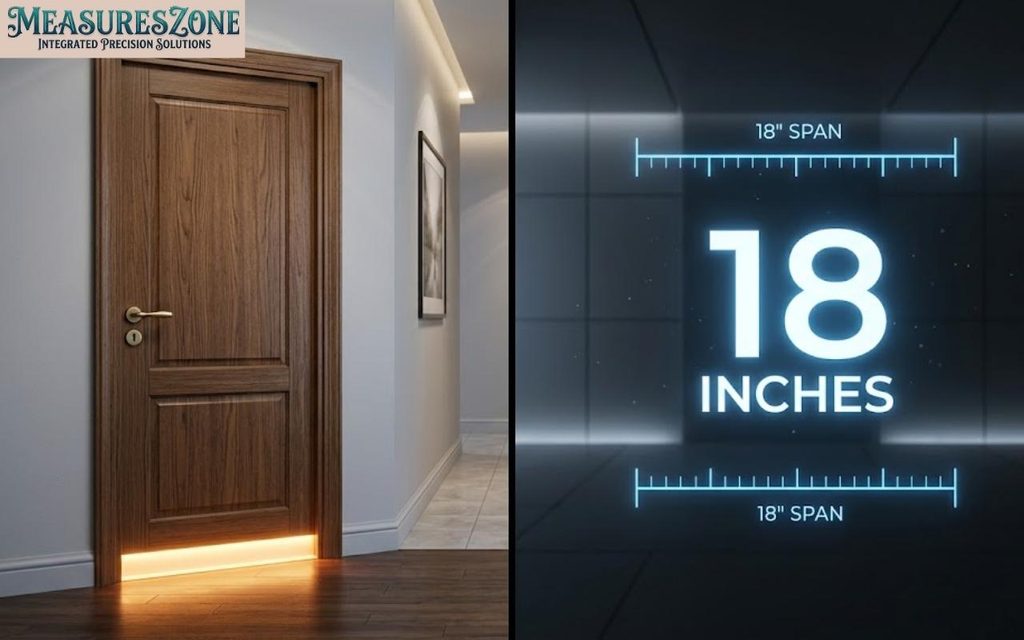
Numbers only get you so far. To really visualize 18 inches, you need something physical to compare it to.
Picture a standard interior door. Most doors run about 80 inches tall. Now imagine cutting off roughly a quarter of that height and setting it on the floor. That chunk is close to 18 inches. Or think about a kitchen counter: the space between the counter’s edge and the wall behind it is usually somewhere around 18 to 24 inches, depending on the layout.
Here is another way to picture it: hold up a standard 12-inch ruler, then imagine adding half of another one right next to it. That combined length is your 18-inch length, give or take a hair.
If you want a size comparison you can literally hold, grab a piece of printer paper. A standard sheet measures 11 inches on its long edge. Add about 7 more inches, roughly two-thirds of another sheet, and you have got 18 inches.
“The easiest way to understand a measurement is not to memorize the number. It is to attach it to something you already know the size of.”
That is really the whole idea behind visual reference tricks. Once you link Eighteen inches to a real object, the number sticks.
Learn about tiny house sizes and dimensions.
Everyday Objects That Are Exactly or Very Close to 18 Inches
Some 18-inch items are so consistent in size that they have become unofficial reference points. These are the ones you can trust.
1. 18-Inch Play Dolls

Certain doll brands, most famously the American Girl doll line, are manufactured to an 18-inch standard. This is not a rough estimate. It is a deliberate design choice that lets clothing, furniture, and accessories stay interchangeable across the whole product line. If you have ever held one of these dolls, you have held 18 inches in your hands.
2. A Newborn Baby’s Length

Most full-term newborns measure somewhere between 18 and 20 inches long at birth, according to typical pediatric growth charts. It varies baby to baby, of course, but 18 inches sits right at the lower end of that normal range, making it one of the more relatable eighteen inch objects for new parents.
3. Large Pizza Diameter

Ask for a “large” at most pizzerias and you will likely get something in the 16 to 18 inch range across the pie. It is not universal (chains vary), but an 18-inch pizza is not unusual, especially at spots that specialize in bigger pies for group orders.
See how long 7 inches is in real life.
4. Princess-Length Necklace

In jewellery sizing, an 18-inch chain is officially called a “princess length.” It is the industry standard for a necklace that sits right at or just below the collarbone, and it is one of the most commonly sold chain lengths in fine jewellery.
5. 18×18 Floor and Ceiling Tile

Walk down the flooring aisle of any home improvement store and you will spot 18×18 inch tiles sitting among the more common 12×12 options. They are a popular choice for larger rooms since fewer tiles mean fewer grout lines.
6. Airline Personal Item Bag
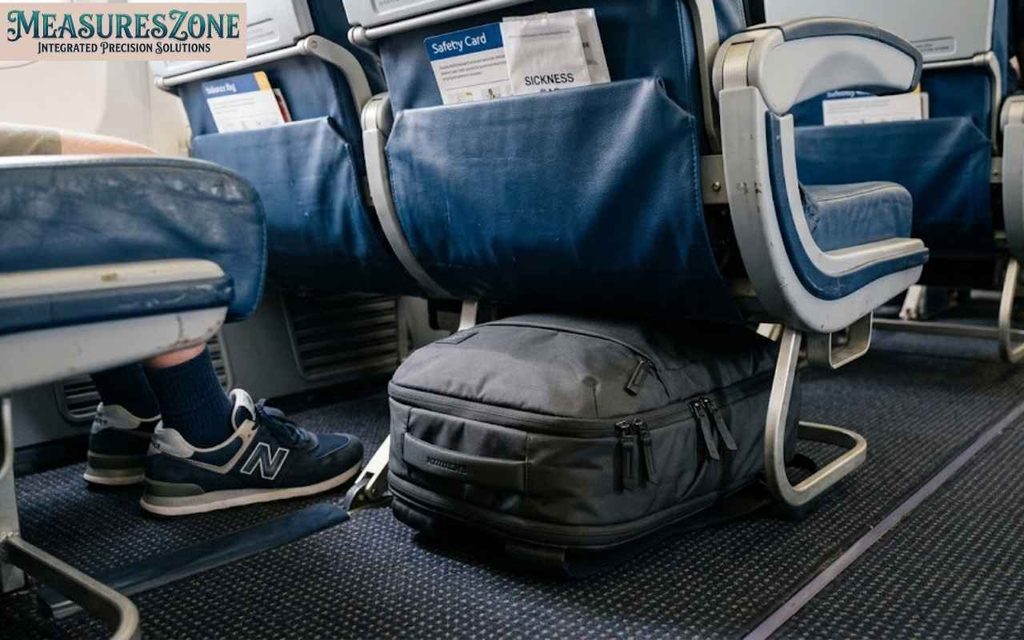
Many major airlines cap personal item dimensions somewhere around 18 inches for the largest side, though this varies by carrier and changes periodically. If you have ever squeezed a bag under an airplane seat, there is a decent chance Eighteen inches was the number you were working against.
7. Half a Yardstick

This one’s almost too simple, but it is genuinely useful. A yardstick measures 36 inches. Cut that number in half and you land precisely on 18 inches, which makes it one of the easiest common objects to use as an on-the-spot reference.
If you have a yardstick nearby, simply find its halfway point. That midpoint gives you an accurate 18-inch reference without needing a tape measure
8. Kids’ Bicycle Wheel Size
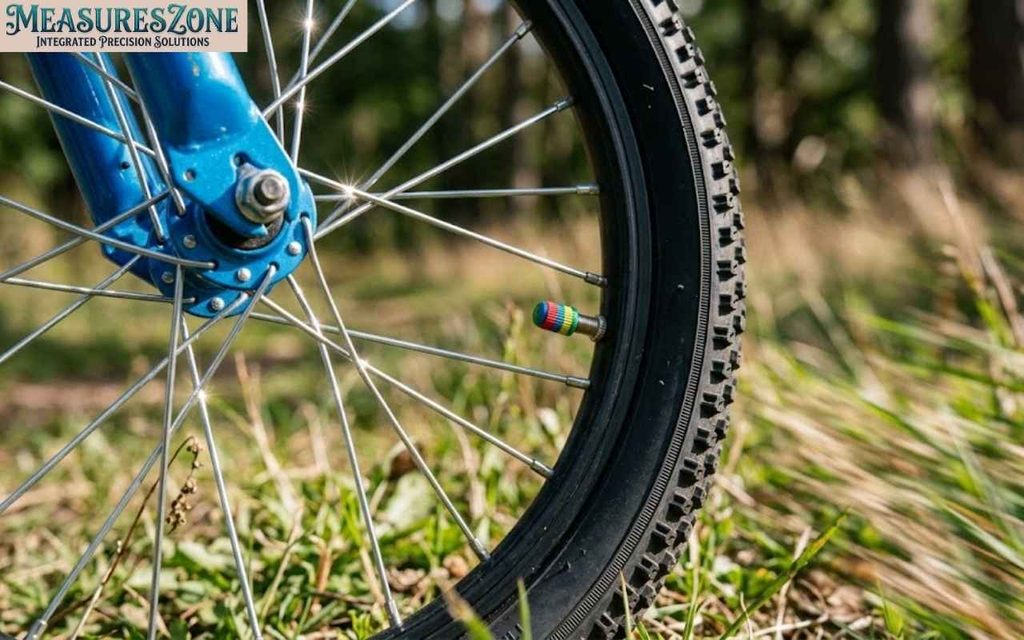
Bicycles built for kids around five to seven years old commonly come with 18-inch wheels, sitting between the smaller 16-inch starter bikes and the larger 20-inch models for older kids.
Bike sizing generally tracks a child’s height and inseam rather than age alone, so an 18-inch wheel tends to suit kids somewhere around 42 to 48 inches tall, though that range can shift depending on the individual child and the bike brand.
Visualize 20 cm with everyday objects.
9. 18-Inch Subwoofer

In car and home audio, 18-inch subwoofers are a real, commonly sold driver size, favored for deep bass output in larger setups. It is one of the more specialized eighteen inch objects on this list, but anyone who is shopped for audio equipment will recognize it immediately.
10. 18-Inch Firewood Log
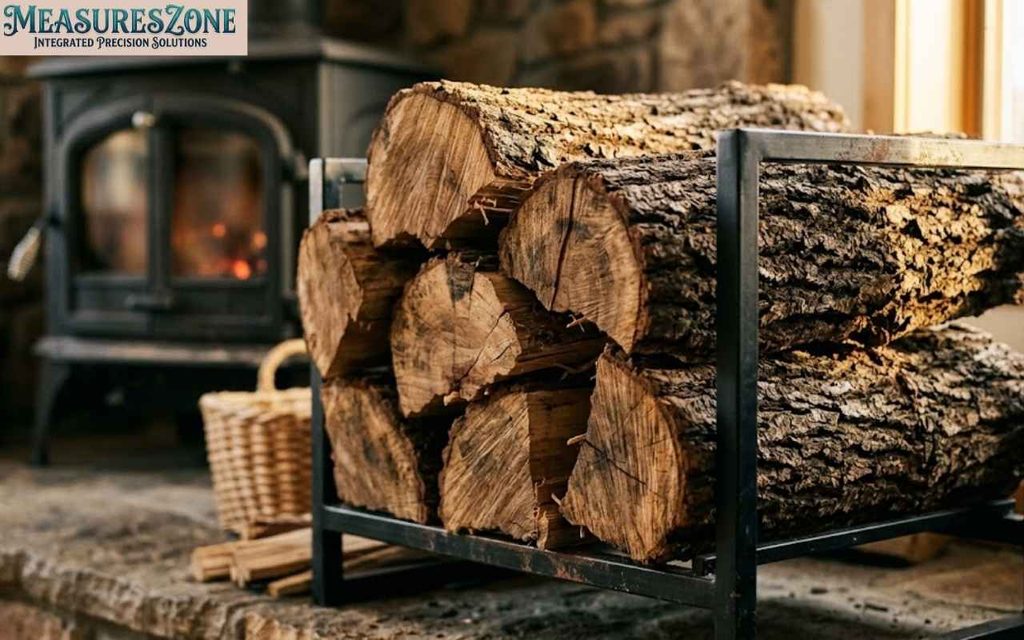
Firewood dealers cut most logs to 16, 18, or 24 inches, and 18 inches hits the sweet spot for the average fireplace or wood stove firebox. It is long enough to burn efficiently but short enough to fit and stack without extra cutting.
11. Wall-Mounted Towel Bar
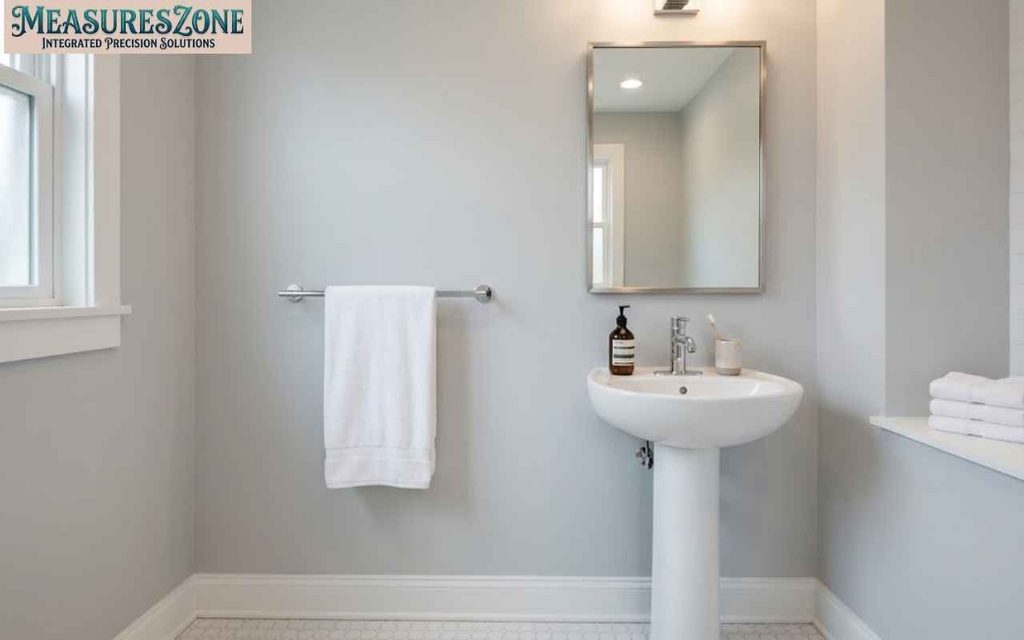
An 18-inch towel bar fits comfortably in tight spaces like powder rooms or small guest bathrooms, where a longer 24-inch or 30-inch bar simply would not have room to hang. It is also a common pick above pedestal sinks, since those areas rarely have the wall space for anything bigger.
12. Under-Cabinet Range Hood

Compact kitchens or apartment-sized stoves often use 18-inch range hoods, smaller than the standard 30-inch versions found in full-sized kitchens. They are built to match narrower cooktops, so you still get proper ventilation without the hood overpowering a tight galley kitchen or studio setup.
13. French-Style Rolling Pin
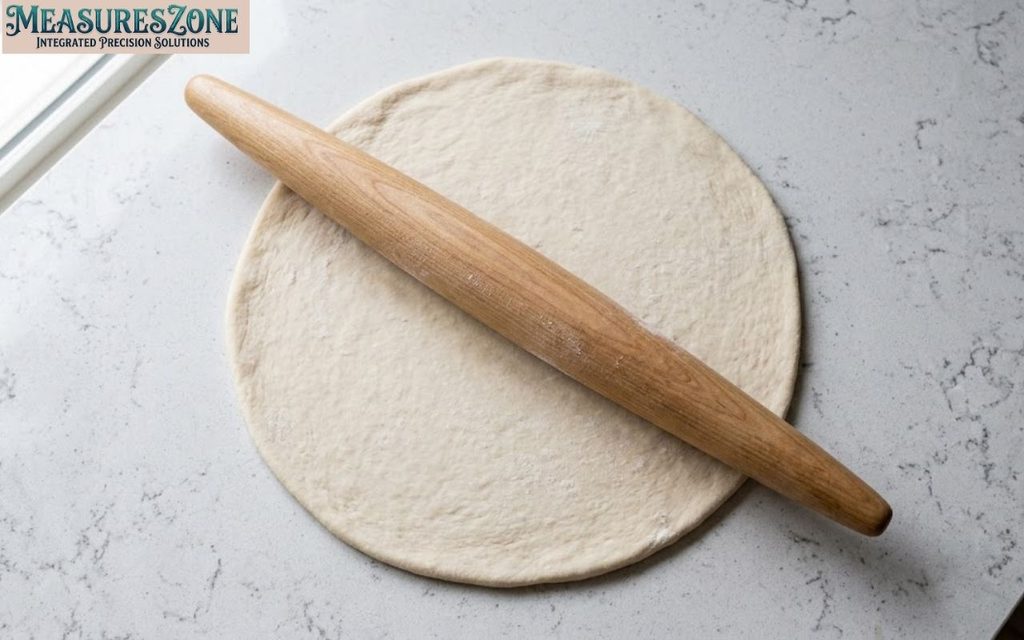
Many rolling pins, especially the tapered French style, run close to 18 inches from end to end. That is noticeably longer than the shorter, handled American-style pins, which is why French pins tend to feel better suited for rolling out large sheets of pastry or pizza dough in one smooth pass.
14. Adult Cat’s Body Length

An adult house cat can measure around 18 inches from its nose to the base of its tail.
This makes a cat’s body a simple, familiar reference for visualizing 18 inches.
Keep in mind that the tail is not included in this measurement, and cats vary in size.
How to Measure 18 Inches Without a Tape Measure

You do not always have a ruler handy, and that is fine. There are a few reliable body-based and object-based tricks for how to measure 18 inches on the fly.
Use your forearm. For most adults, the distance from the inside of the elbow to the wrist runs somewhere close to a foot, sometimes a bit more. Add a few inches past your wrist and you will land in the neighborhood of Eighteen inches. It will not be exact, but it is close enough for quick estimates.
Stack paper. A standard sheet of printer paper is 11 inches long. Lay one down, then add roughly two-thirds of a second sheet. That gets you to Eighteen inches without any tools.
Count dollar bills. A US dollar bill measures 6.14 inches long. Line up three end to end and you will land just shy of 18.5 inches, close enough for casual measuring.
Use a doorframe as an anchor. Since most interior doors run about 80 inches tall, you can mentally divide that height into quarters. One quarter lands you right around 20 inches, just slightly over 18, giving you a rough but usable visual anchor.
None of these methods replace an actual tape measure. But when you need a fast estimate, they will get you close.
Why Knowing 18 Inches Actually Matters

This is not just trivia. An 18 inch measurement shows up constantly in decisions that affect your home, your safety, and your money.
Furniture and clearance planning. Interior designers often recommend at least 18 inches of clearance between a coffee table and a sofa, so people can walk through comfortably without bumping their shins. Kitchen designers use similar spacing when planning cabinet depth and walkway width.
Shipping and packaging costs. Many shipping carriers calculate costs using dimensional weight, where a package’s length, width, and height all factor into the final price. An item that crosses the 18-inch threshold on any side can sometimes bump a package into a pricier shipping tier.
Everyday practicality. Whether you are hanging a towel bar at the right height, buying a necklace that actually sits where you want it to, or figuring out if a piece of furniture will fit through a doorway, understanding real life measurement like 18 inches saves you a return trip to the store.
Common Mistakes People Make When Estimating 18 Inches
Even people who are generally good with measurements trip up on 18 inches in a few predictable ways.
- Rounding down to “about a foot.” Eighteen inches is a full foot and a half, not just a bit more than a foot. That extra six inches matters more than people assume, especially in tight spaces.
- Assuming “large” always means 18 inches. A large pizza, a large laptop, or a large bag is not guaranteed to hit 18 inches exactly. Sizing varies by brand and manufacturer, so it is worth checking actual dimensions instead of trusting the label alone.
- Confusing inches and centimeters. Since 18 inches equals nearly 46 centimeters, mixing up the two systems can lead to a measurement that is off by a significant margin, not just a rounding error.
18 Inches Compared to Other Common Measurements
Sometimes the easiest way to understand one measurement is to line it up next to others you already know.
| Measurement | Length in Inches | Common Reference |
|---|---|---|
| Standard ruler | 12 inches | Classroom ruler |
| 18-inch length | 18 inches | Princess necklace, doll height |
| Two feet | 24 inches | Standard oven width (roughly) |
| Yardstick | 36 inches | Full yard, common in sewing |
Seeing these side by side makes it easier to place 18 inches mentally, right between a standard ruler and the two-foot mark.
Fun Facts About 18 Inches
An 18-inch necklace is officially called “princess length” in the jewelry world, sitting right at or just below the collarbone. It is one of several standardized chain lengths jewelers use, alongside “choker” (14-16 inches) and “matinee” (20-24 inches), so the industry has built an entire sizing language around lengths just like this one.
Kids’ bicycles, play dolls, and even audio equipment are often built around 18-inch specifications for a practical reason: it is a size that works well with human proportions. It is small enough for a child to handle a bike, or for a kid’s arms to hug a doll comfortably, yet large enough to feel substantial rather than toy-like.
Half a yard and 18 inches are the exact same length, just expressed in different units, which is why old sewing and tailoring patterns often used “half yard” and “18 inches” interchangeably depending on the era and region.
The 18-inch mark also shows up in furniture design history. Mid-century designers frequently used 18 inches as a baseline for seat height on dining chairs and stools, since it comfortably matches the average human leg length from knee to floor. That is part of why so many chairs, even today, land close to that number without most people ever noticing the pattern.
Frequently Asked Questions
Got a few more questions about 18 inches? Here is a quick rundown covering everything from suitcases to screen sizes.
1. Is 18 inches a good size for a TV or monitor?
Not typically. TV and monitor sizes are measured diagonally, not by length, so an 18-inch monitor would be quite small by today’s standards, closer to a portable or secondary display than a main screen.
2. What size suitcase is 18 inches?
An 18-inch suitcase generally falls into the “personal item” or small carry-on category, smaller than the standard 20 to 22-inch carry-on most airlines allow as your main cabin bag.
3. Is an 18-inch waist or wrist measurement normal?
An 18-inch waist is far below typical adult sizing and would generally apply to a small child rather than an adult. An 18-inch wrist, on the other hand, is unusually large for an adult, since average adult wrists run closer to 6 to 7 inches around.
4. How many centimeters do you need to add to 12 inches to reach 18 inches?
Twelve inches equals about 30.48 cm, and 18 inches equals about 45.72 cm, so you would need to add roughly 15.24 cm to go from one to the other.
5. Is 18 inches a common size for a laptop bag or backpack?
Yes, 18 inches often refers to the height of a backpack, and bags in that range are commonly built to fit larger laptops along with everyday essentials like books and chargers.
Conclusion
Eighteen inches shows up more often than most people realize, from the necklace around your neck to the firewood in your fireplace to the clearance space in your living room. Once you have got a few solid, real-world objects that are actually 18 inches long, whether it is a doll, half a yardstick, or a stack of paper, you will never need to guess again. Next time you are sizing something up, you have got a mental ruler ready to go.
Quick Quiz: Test Your 18-Inch Knowledge
1. What is 18 inches in feet?
A. 1 foot
B. 1.5 feet
C. 2 feet
D. 0.5 feet
2. What is 18 inches in centimeters?
A. 35.56 cm
B. 40.64 cm
C. 45.72 cm
D. 50.80 cm
3. Which popular doll brand is manufactured to an 18-inch standard?
A. Barbie
B. American Girl
C. Bratz
D. Cabbage Patch Kids
4. What is an 18-inch necklace chain officially called in jewelry sizing?
A. Choker length
B. Opera length
C. Princess length
D. Matinee length
5. How many 18-inch lengths make up one full yard?
A. One
B. Two
C. Three
D. Four
Answers
- B) 1.5 feet
- C) 45.72 cm
- B) American Girl
- C) Princess length
- B) Two
See how tall 69 inches is in real life.

David John is an experienced blogger and the admin of the Measurements category at Measures Zone. He shares accurate and easy to understand measurement guides for readers.