

Lake Michigan dimensions surprise almost everyone who sees them. Stand on a Chicago beach and stare east. You won’t see a far shore. You’ll see water, waves, and a horizon that looks a lot like the ocean. Yet this is a freshwater lake, and it’s the only one of the Great Lakes that sits entirely inside the United States.
So just how big is it? This guide walks you through every key number: depth, volume, shoreline, and more. You’ll also learn how the lake formed, how it compares with other giants, and why its size shapes life for millions of people.
Lake Michigan Dimensions at a Glance
Need the quick answer? This table packs the core lake measurements and lake statistics into one spot.
| Measurement | Imperial | Metric |
|---|---|---|
| Surface area | about 22,400 sq mi | about 58,000 km² |
| Length (north to south) | about 307 mi | about 494 km |
| Maximum width | about 118 mi | about 190 km |
| Maximum depth | 925 ft | 282 m |
| Average depth | about 279 ft | about 85 m |
| Water volume | about 1,180 cubic mi | about 4,900 km³ |
| Shoreline length | about 1,640 mi | about 2,640 km |
| Water retention time | about 99 years | about 99 years |
These geographical measurements come from the U.S. EPA and NOAA’s Great Lakes lab. Agencies round a little differently. That is why you will see 22,300 square miles in one place and 22,404 in another.
Lake Michigan Size: Surface Area, Water Volume, and Shoreline Length
Lake Michigan’s size becomes clearer when you look at its surface area, depth, and shoreline. Each measurement reveals a different part of this massive freshwater lake.
Surface Area and Lake Area
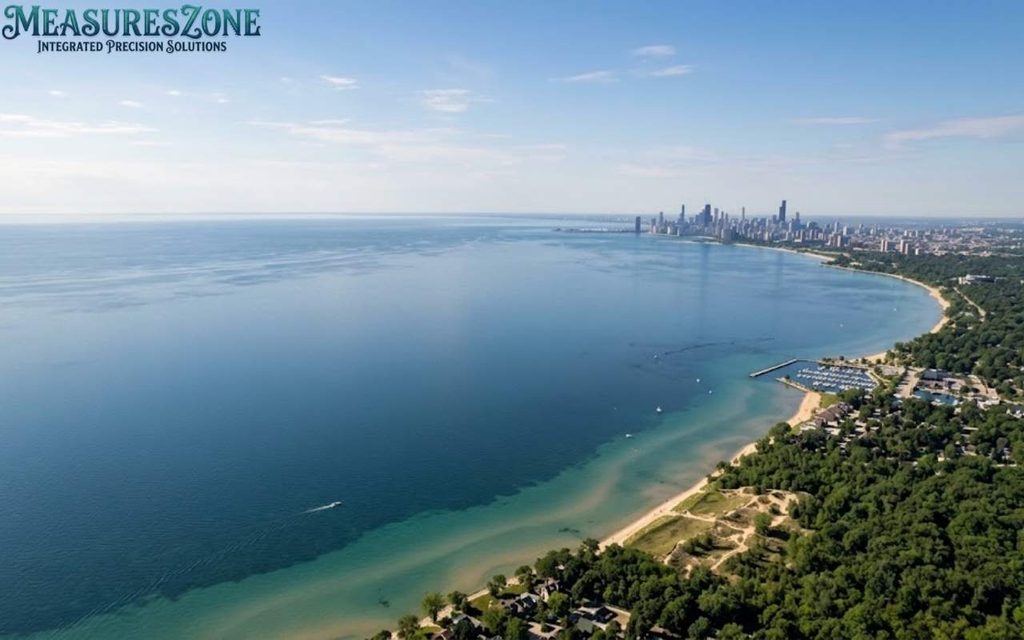
The surface area covers roughly 22,400 square miles. That is more than Vermont and New Hampshire combined. Only Lake Superior and Lake Huron claim more water surface among the Great Lakes.
Counted on its own, this Michigan lake is the fourth largest freshwater lake on Earth by geographical extent. Only Superior, Victoria, and Huron beat it. The lake area stretches about 307 miles north to south and 118 miles at its widest.
Water Volume and Lake Capacity
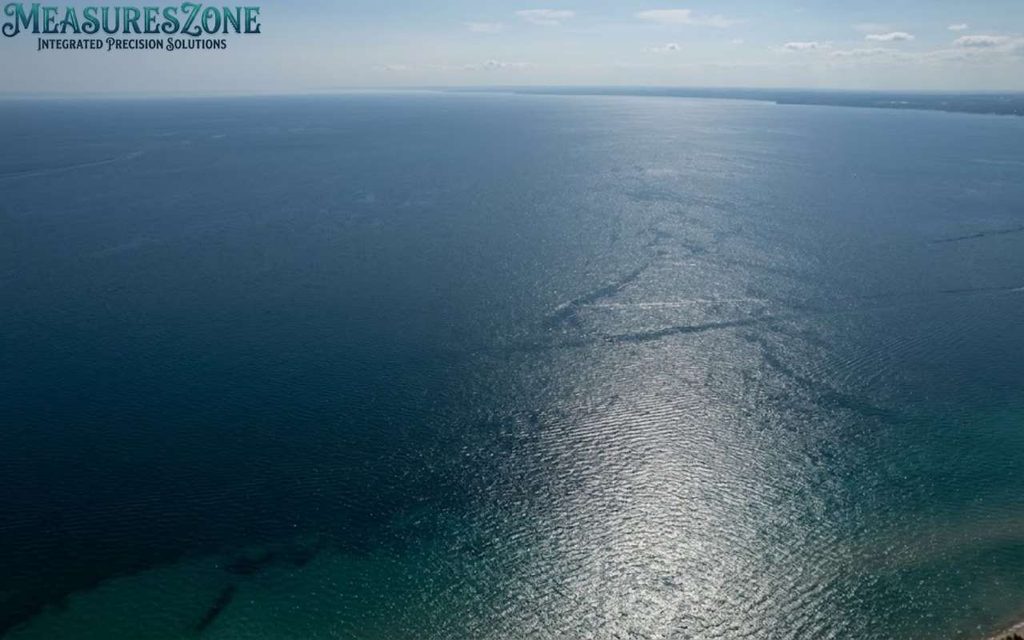
Area tells half the story. Water volume shows what the lake really holds. Its lake capacity reaches about 1,180 cubic miles, or roughly 4,900 cubic kilometers.
That is the second largest freshwater volume among the Great Lakes. It holds far more than Huron even though Huron covers a bit more ground. Think of two baking pans with the same footprint. The deeper pan holds more batter. Scientists track this water storage with hydrological measurements such as inflow, outflow, and retention time.
Shoreline Length and Coastal Boundaries
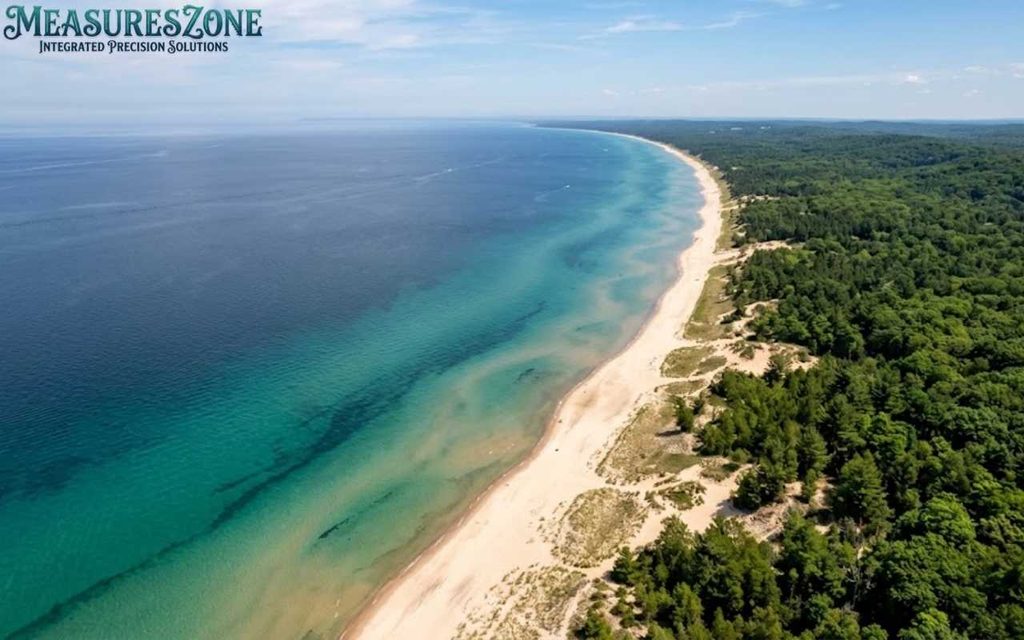
The shoreline length hits about 1,640 miles including islands. That is more shore distance than you would find along many ocean coasts, and these coastline measurements include every island. Four states share these coastal boundaries: Wisconsin, Illinois, Indiana, and Michigan. The signed Lake Michigan Circle Tour loops roughly 1,100 miles around the lake shoreline.
How Deep Is Lake Michigan?
Lake Michigan has a deep underwater basin, with depths that vary greatly from the shoreline to the middle of the lake. Understanding its depth helps explain its aquatic life, water temperatures, and seasonal effects.
Maximum Lake Depth and the Deep Basin
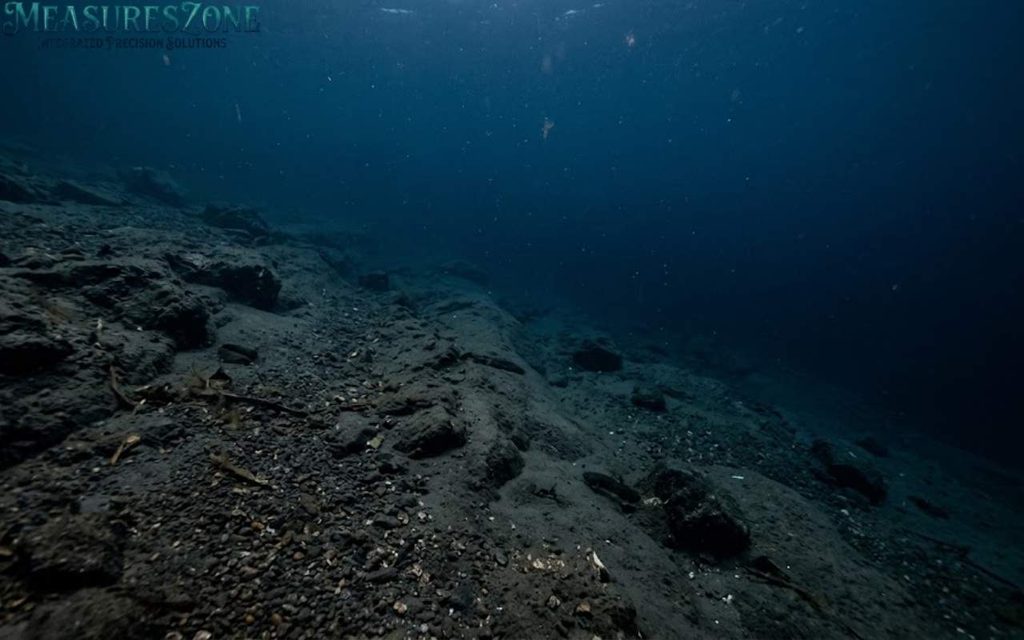
Lake Michigan depth peaks at 925 feet (282 meters), the maximum lake depth. The average sits near 279 feet. Chicago’s Willis Tower stands about 1,450 feet tall. The deepest spot could cover nearly two thirds of it.
Detailed lakebed measurements reveal clear zones:
- Nearshore shelf: Shallow and sandy, often under 30 feet.
- Mid-lake reefs and ridges: Underwater uplands that attract lake trout.
- Deep basin: A cold, dark zone where water depth passes 800 feet.
This underwater depth profile makes the lake feel like a small sea.
Discover how long 300 feet is in real life.
Why Water Depth Matters
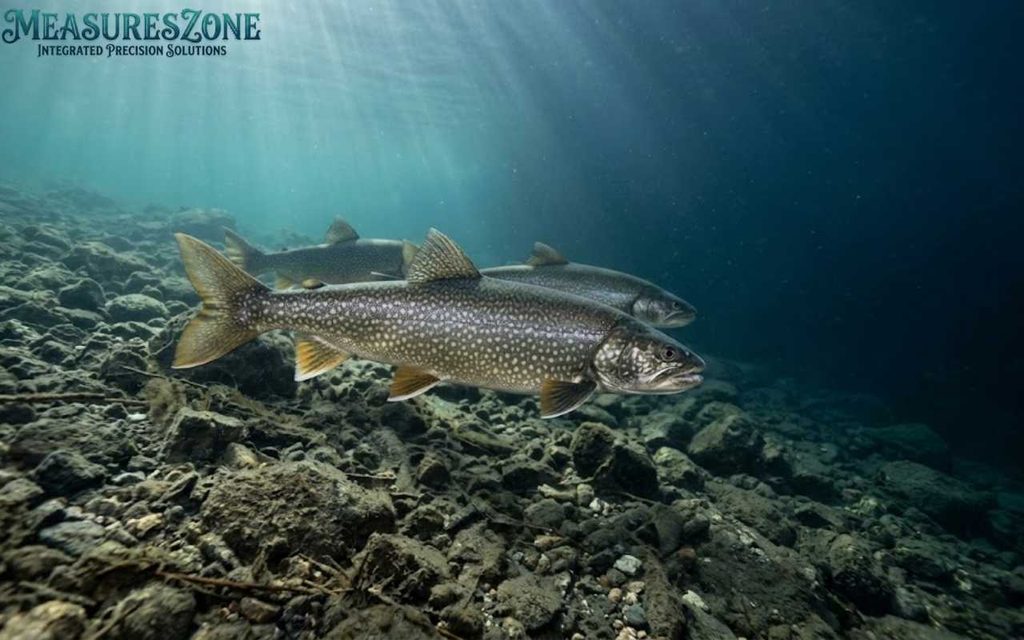
Depth shapes almost everything. In summer, the water splits into a warm top layer and a cold bottom layer. Depth also decides where ships can sail and where fish can live. It even changes the weather, since a deep lake cools slowly in fall and feeds lake-effect snow along Michigan’s western coast.
How Lake Michigan Compares With Other Freshwater Lakes
Size means more when you set it beside its rivals.
Comparison With the Other Great Lakes
The Great Lakes system holds about 21 percent of the world’s surface fresh water. Here is how the North American Great Lakes compare:
| Lake | Area (sq mi) | Max depth | Avg depth | Volume (cubic mi) |
|---|---|---|---|---|
| Superior | about 31,700 | 1,332 ft | 483 ft | about 2,900 |
| Michigan | about 22,400 | 925 ft | 279 ft | about 1,180 |
| Huron | about 23,000 | 750 ft | 195 ft | about 850 |
| Erie | about 9,900 | 210 ft | 62 ft | about 116 |
| Ontario | about 7,300 | 802 ft | 283 ft | about 393 |
Source: EPA Great Lakes facts and figures. Lake Erie is the shallowest of the group. It warms fast and also suffers the worst algae blooms. Lake Ontario is smaller but nearly as deep on average.
Here is a twist. Michigan and Huron join through the Straits of Mackinac, a channel about 5 miles wide. Their levels rise and fall together, so many hydrologists treat them as one lake.
Global Comparisons
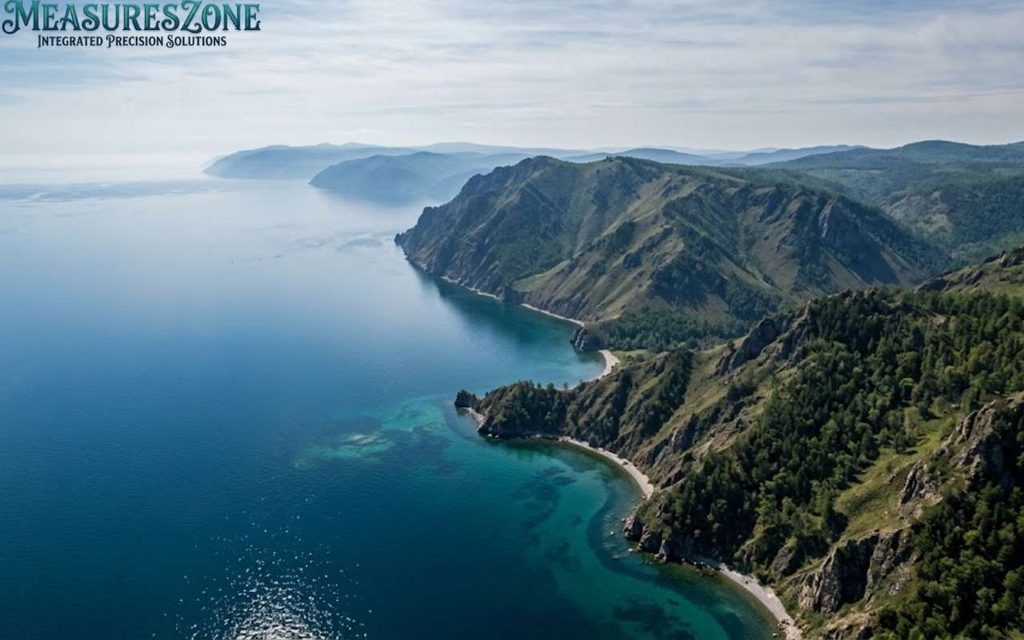
How does it measure up worldwide? Lake Victoria in Africa covers about 59,900 km² but reaches only 83 meters deep. Lake Baikal in Russia covers less ground yet holds about 23,600 km³, nearly five times the water. Among natural lakes and freshwater bodies worldwide, depth often beats width.
See what 2 cm looks like with everyday objects.
How the Lake Formed
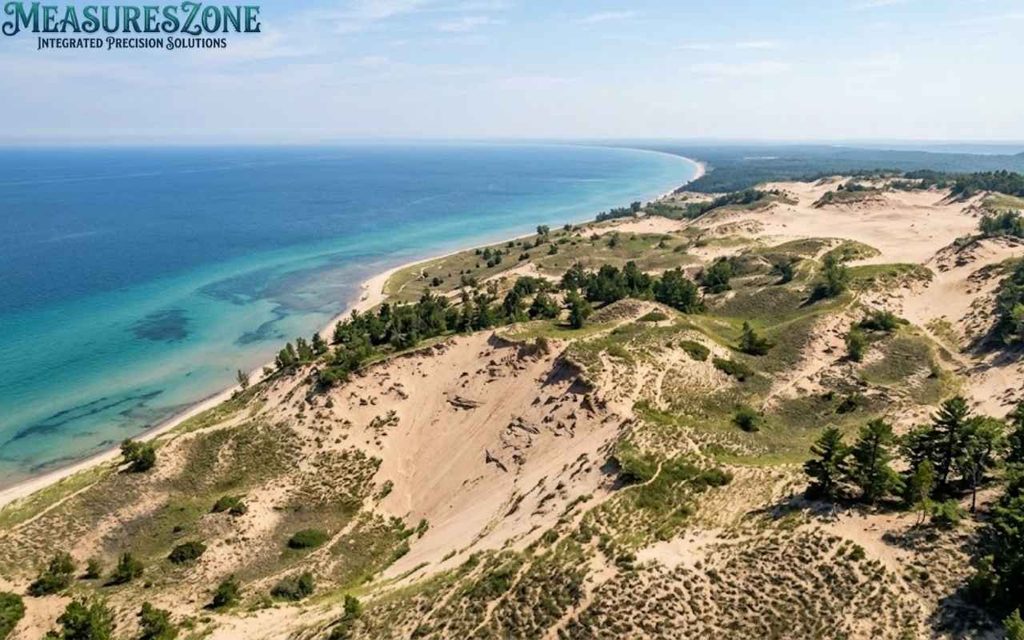
Glaciers built this basin. Ice sheets gouged out the softer rock of the Michigan Basin. When the ice melted roughly 10,000 to 14,000 years ago, meltwater filled the hollow. That history explains why Lake Michigan geography features so many dunes and bluffs. They are leftovers from glacial deposits.
The name comes from the Ojibwe word mishigami, widely translated as “large water.” Few inland lakes rival it among North American lakes.
Water Quality and Environmental Concerns
Lake Michigan faces environmental threats that affect its wildlife and water quality. Pollution, rising temperatures, and harmful non-native organisms continue to disrupt its ecosystem.
Invasive Species
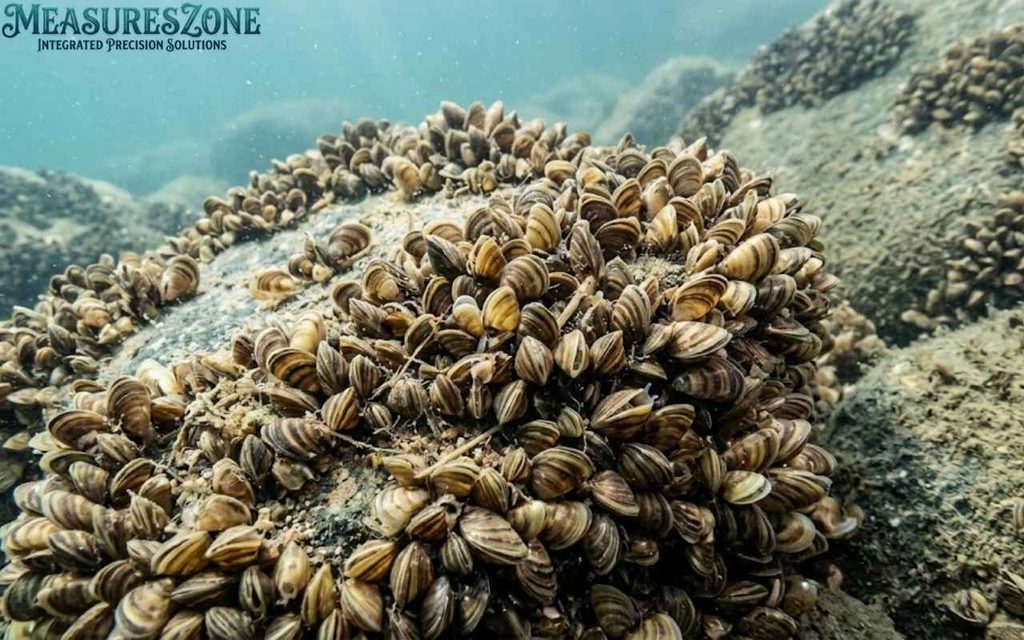
Invasive species top the list of environmental concerns and test aquatic health. Sea lamprey, alewives, round gobies, and quagga mussels all arrived from other waters. Quagga mussels now blanket large parts of the lakebed. They filter out plankton and starve native fish.
Case study: sea lamprey control. Sea lamprey invaded through the Welland Canal and nearly wiped out lake trout. The Great Lakes Fishery Commission formed in 1955. Its treatments and barriers have cut lamprey numbers by about 90 percent in most areas.
Pollution and Climate Change
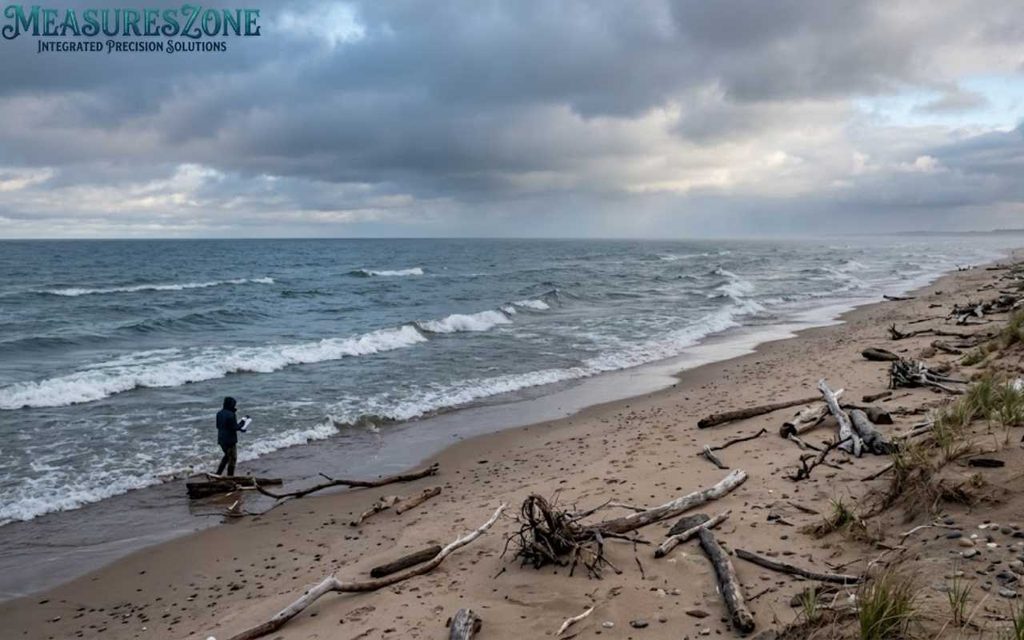
Farm runoff carries phosphorus into Green Bay and feeds algae blooms. Other pollution sources include city stormwater, old industrial sites, and plastic debris. Each adds to freshwater pollution and water contamination. Strong water quality monitoring keeps beaches open.
Climate change adds more pressure. Warmer water means less winter ice, more evaporation, and stronger storms. These ecological challenges make habitat conservation more urgent every year.
Case study: reversing the Chicago River. In 1900, engineers reversed the river so sewage flowed away from the lake. It protected drinking water for a growing city. A 1967 U.S. Supreme Court decree still limits how much water Illinois can divert.
Learn about Arch Aplin III and his properties.
Shoreline Features and Coastal Ecosystems
The shoreline features range from soft sand to hard rock. Sandy beaches and coastal dunes line the eastern and southern shores. Indiana Dunes National Park earned park status in 2019. Sleeping Bear Dunes rises about 450 feet above the water. These coastal ecosystems shelter rare plants and nesting birds. Head north to Wisconsin’s Door Peninsula and you will find rocky cliffs of limestone. They belong to the Niagara Escarpment, the same ridge that creates Niagara Falls.
Dozens of lake islands dot the north. Here are the best known:
| Island | State | Known for |
|---|---|---|
| Beaver Island | Michigan | Largest island in the lake at about 56 sq mi |
| Mackinac Island | Michigan | Car-free streets and a historic fort |
| North and South Manitou | Michigan | Remote wilderness near Sleeping Bear |
These coastal features inspired Michigan’s state motto: Si quaeris peninsulam amoenam circumspice. It means “If you seek a pleasant peninsula, look about you.”
Cold fresh water preserves old ships. In 2021, NOAA created the Wisconsin Shipwreck Coast National Marine Sanctuary. It protects about 962 square miles of lake and dozens of historic wrecks.
Economic Impact and Sustainable Tourism
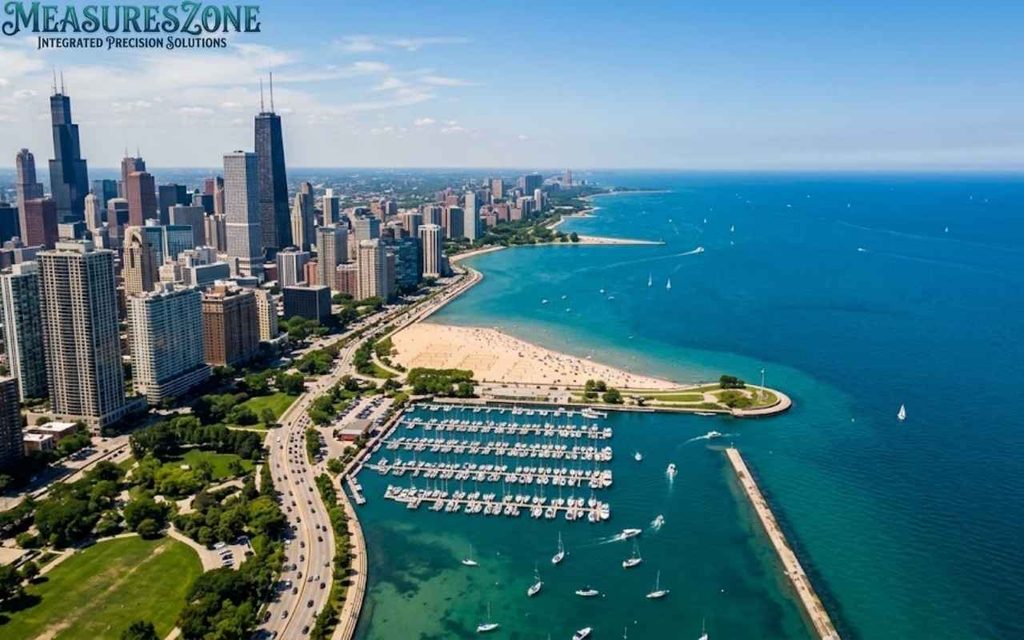
Chicago, Milwaukee, Green Bay, Gary, and Muskegon all rely on the lake’s harbors. Chicago alone draws drinking water for roughly 5 million people. The Great Lakes Compact, signed in 2008, bans most diversions out of the basin to protect these freshwater resources.
People also flock here for recreational activities such as sailing, kayaking, fishing, and diving. Nature tourism supports thousands of jobs along the coast. Sustainable tourism keeps the lake healthy while people enjoy it. Try these habits for responsible travel:
- Stay on marked dune trails so grasses can hold the sand.
- Clean, drain, and dry your boat to stop invasive species.
- Pack out all trash and skip single-use plastics.
- Choose eco-friendly tourism options such as locally owned lodges and guided paddle tours.
Bigger fixes help too. The Great Lakes Restoration Initiative launched in 2010 with about $475 million in its first year. Local conservation efforts now plant dune grasses, restore wetlands, and promote water conservation. Together they support ecosystem protection for the next generation.
See what 30 cm looks like with everyday objects.
Frequently Asked Questions
Find quick answers to common questions about Lake Michigan, its winter conditions, largest fish, and underwater features.
Can Lake Michigan freeze completely in winter?
No, Lake Michigan rarely freezes completely. Its large volume of water stores heat, preventing the entire lake from freezing even during severe winters.
What is the largest fish found in Lake Michigan?
Lake sturgeon is among the largest fish in Lake Michigan. These ancient freshwater fish can grow several feet long and live for many decades.
Are there underwater caves in Lake Michigan?
Lake Michigan has underwater geological formations, but it is not widely known for extensive natural cave systems. Its underwater landscape includes ridges, depressions, and rocky areas.
Conclusion
Lake Michigan is a giant by any measure. It spans about 22,400 square miles and stretches 307 miles from end to end. It plunges to 925 feet and holds around 1,180 cubic miles of water. Those numbers shape the weather and power the economy. They also supply drinking water to millions.
Protecting this lake takes steady effort. Go see these numbers for yourself. Walk a dune and watch a freighter slide past the horizon.
Quiz: Test Your Knowledge of Lake Michigan
Test your knowledge of Lake Michigan with these three quick questions about its depth, location, and connections to other Great Lakes.
What is the maximum depth of Lake Michigan?
A) 282 feet
B) 925 feet
C) 1,332 feet
D) 750 feet
Which Great Lake sits entirely inside the United States?
A) Lake Superior
B) Lake Huron
C) Lake Michigan
D) Lake Ontario
What channel, only about 5 miles wide, connects Lake Michigan and Lake Huron?
A) The Welland Canal
B) The Straits of Mackinac
C) The Chicago River
D) Green Bay
Answers
1. B) 925 feet
2. C) Lake Michigan
3. B) The Straits of Mackinac
See how long 20 feet is in real life.

Sam Glen is an experienced blogger and the author of the Dimension category at Measures Zone. He specializes in creating accurate, easy-to-understand size and dimension guides, helping readers quickly find reliable information for everyday objects and products.